
Introduction
If you love houseplants and pets, you’ve probably worried about what’s safe to keep around curious paws and noses. I once brought home a glossy-leafed plant that looked perfect in my living room—only to find my cat batting at it every evening. After a few tense calls to the vet I learned the hard way that not all air-cleaning plants are pet-friendly. That’s why I put together this guide on 7 Safe Indoor Air Purifying Plants for Pets so you can enjoy cleaner air without the worry.
In this article you’ll learn which plants clean the air effectively, why they’re safe around cats and dogs, practical care tips for busy pet owners, how to place plants to reduce risk, and how to respond if a pet samples a leaf. If you want deeper reading on indoor plants and respiratory health, here’s a helpful resource I used early on: indoor plants for allergies and asthma.
Table of Contents
Why Choose Pet-Safe Purifying Plants
Bringing plants into a pet home has two big benefits: they can reduce indoor pollutants and they add natural enrichment for your pets. But safety matters. If a plant that’s toxic to pets is within reach, a curious animal might nibble a leaf and get sick. Choosing non-toxic, air-purifying plants means you get the benefits without the added risk.
How Plants Clean Indoor Air
Plants reduce volatile organic compounds (VOCs) like formaldehyde and benzene through leaf stomata and root–microbe interactions. Some plants are particularly effective at improving humidity and trapping dust, which helps pets with sensitive airways. Have you ever noticed your home feels fresher after bringing plants inside? That’s not just in your head—plants really do change the room microclimate.
Toxic vs Non-Toxic Plants
Toxicity depends on plant compounds that affect the gastrointestinal or nervous systems when ingested. Many popular air-purifying plants contain saponins or alkaloids that are harmful to pets. The 7 Safe Indoor Air Purifying Plants for Pets on this list are chosen because they’re commonly recognized as non-toxic to cats and dogs, while still offering air-cleaning benefits.
Pets’ Sensitivities And Behavior
Dogs and cats react differently. Cats may chew more out of curiosity or boredom; dogs tend to eat things while investigating. Consider your pet’s age and behavior—puppies and kittens are more likely to sample plants. Observing your pet’s tendencies helps you decide where to place plants and which species to select.
Plant Profiles
Below are friendly profiles of the 7 Safe Indoor Air Purifying Plants for Pets, with care tips and what to watch for. Each entry focuses on why the plant is a good match for homes with animals.
Snake Plant (Sansevieria)
Snake plants are champions for low-light rooms and are easy to care for—ideal if you’re short on time. They tolerate irregular watering and are excellent at removing formaldehyde and benzene overnight. Tip: place the pot up on a shelf or plant stand if your cat likes to climb; while sansevieria is often listed as having mild toxicity in some sources, many cultivars are considered low-risk by pet owners. Always supervise new interactions.
Spider Plant (Chlorophytum)
Spider plants are hardy, forgiving, and produce playful baby “pups” that pets sometimes find irresistible. They’re non-toxic to dogs and cats and help reduce airborne pollutants. If your cat loves to chew, non-toxic means a brief nibble will likely cause mild tummy upset at worst. Keep the pups out of reach if your pet tends to eat plants as toys.
Areca Palm (Dypsis lutescens)
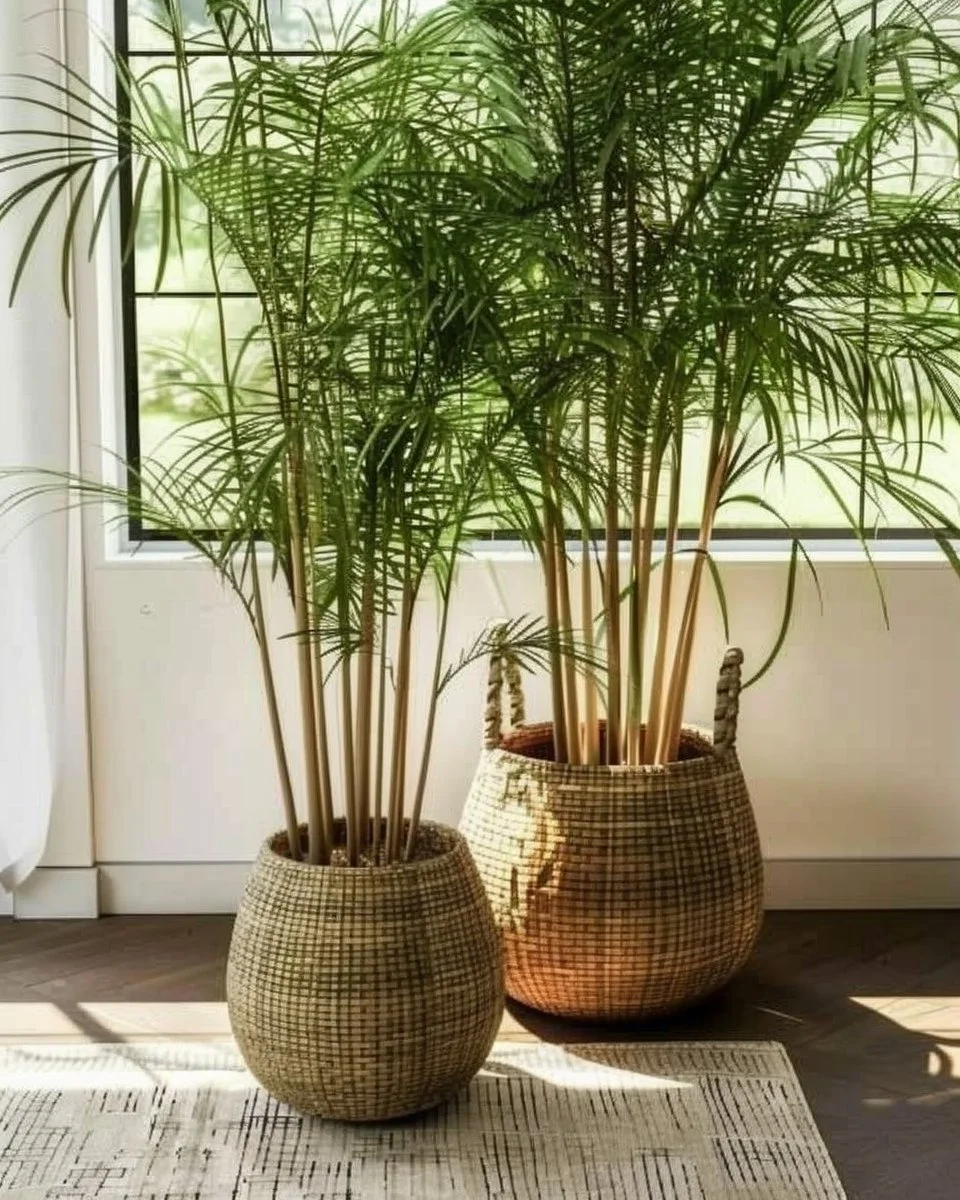
Areca palms add a tropical feel, offer good humidification, and are safe for pets. They’re great in bright, indirect light and can grow into substantial indoor specimens, creating a natural barrier or safe hideaway for pets. For busy households, these palms are low-maintenance if you maintain steady moisture and avoid over-fertilizing.
Boston Fern (Nephrolepis exaltata)
A classic air cleaner, the Boston fern reduces pollutants and increases humidity—helpful for pets with dry noses or coats. It prefers consistent moisture and indirect light. Because ferns have many fronds, consider hanging them or placing them on a high shelf if curious pets are likely to pluck leaves.
Bamboo Palm (Chamaedorea seifrizii)
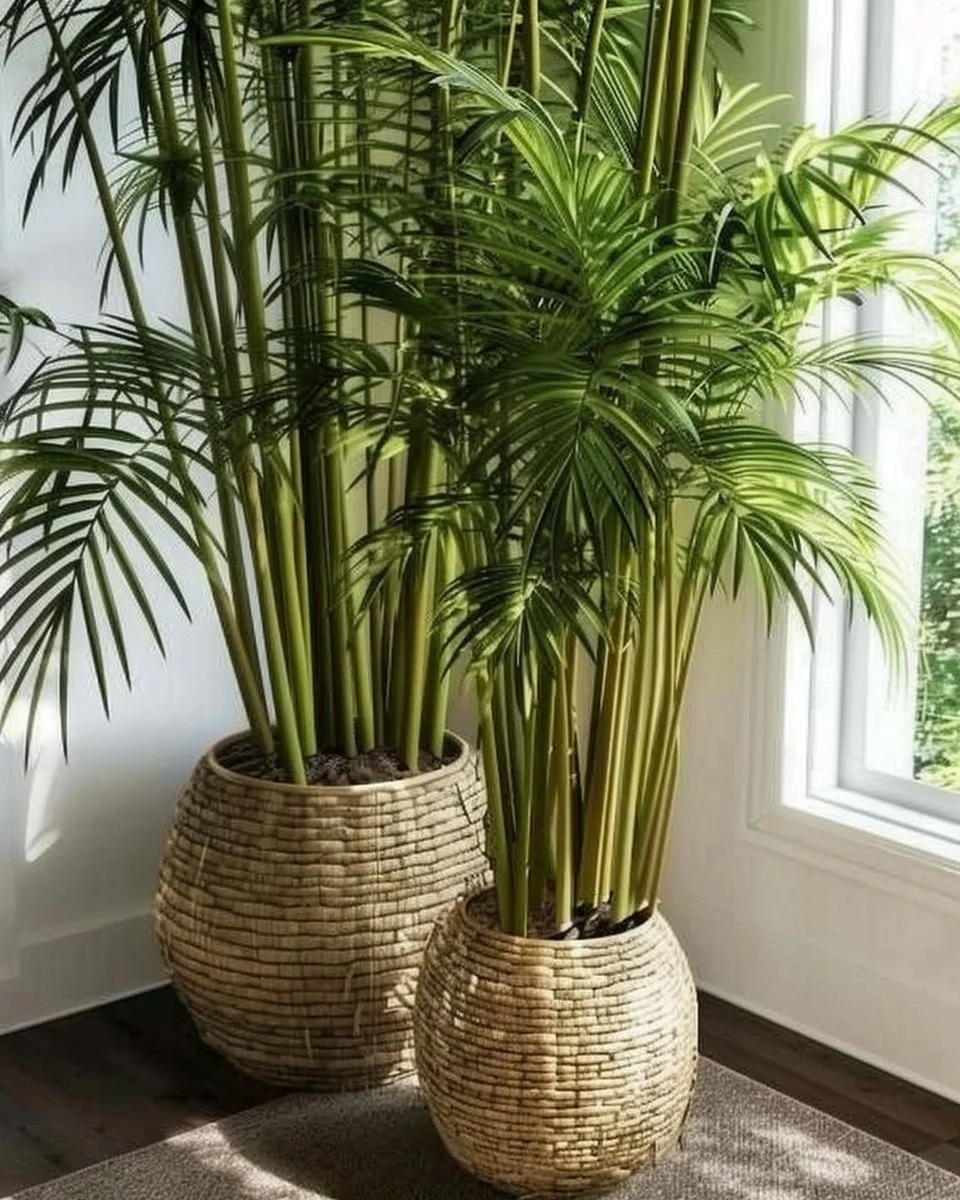
Bamboo palms are compact, tolerant of lower light, and safe for pets. They’re especially good at filtering formaldehyde and are often used in rooms where families spend lots of time. Keep the soil slightly moist and trim any brown tips to discourage pets from sampling dry, dead foliage.
Cast Iron Plant (Aspidistra)
True to its name, the cast iron plant tolerates neglect—low light, infrequent watering, and general chaos. It’s non-toxic and won’t tempt pets with fragrant or juicy leaves. This plant is a great choice for entryways or living rooms where you want greenery that will survive a busy household.
Parlor Palm (Chamaedorea elegans)
Parlor palms are elegant, slow-growing, and pet-friendly. They thrive in bright, indirect light and offer modest air-purifying value while being safe around cats and dogs. Because of their graceful fronds, they’re often placed in corners or beside furniture—near but out of the main traffic areas pets use.
(Throughout these profiles, remember that even non-toxic plants can cause mild GI upset if a pet overeats, and soil additives/fertilizers may be the actual risk.)
Care Tips For Pet Homes
Keeping plants healthy reduces the chance pets will snack on them. A well-cared-for plant is less interesting than a stressed, drooping one.
Watering And Soil Tips
Use well-draining soil and pots with drainage holes to avoid root rot. Water on a schedule that fits each plant’s needs—many of the 7 Safe Indoor Air Purifying Plants for Pets prefer moderate watering with brief drying between sessions. A moisture meter helps remove guesswork, especially if your pet knocks things around.
Safe Fertilizers And Pest Control
Choose slow-release, low-toxicity fertilizers and avoid systemic pesticides that could accumulate in leaves. For pest problems, use physical removal, soapy water sprays, or pet-safe neem oil alternatives approved for household use. Always check product labels for pet safety.
Grooming And Leaf Cleaning
Dusty leaves can’t photosynthesize efficiently and may look more tempting to pets. Wipe large leaves with a damp cloth and trim dead foliage. This keeps plants vigorous and less likely to become a chewing target.
Placement And Safety Practices
Plant placement is a big part of keeping both flora and fauna happy.
Choosing Pet-Proof Locations
High shelves, hanging planters, or tall stands can keep plants out of reach. Use sturdy, heavy pots to reduce tipping. If you have a persistent climber or chewer, create a dedicated plant corner with a barrier or play area diversion so your pet’s curiosity is satisfied somewhere else.
Signs Of Plant Stress Or Pet Illness
Watch plants for yellowing leaves, droop, or unusual chew marks. Likewise, be alert for pet symptoms after plant introduction: vomiting, drooling, lethargy, or change in appetite. Prompt observation helps you link behavior to potential ingestion.
What To Do If A Pet Eats A Plant
If your pet eats part of a plant, remove any remaining pieces and note amount consumed. For non-toxic species among the 7 Safe Indoor Air Purifying Plants for Pets, you’ll likely see mild GI upset if anything. Still, call your vet for guidance—especially if large quantities were eaten or symptoms appear. Keep your vet’s number handy and have photos of your plants for quick identification.
Conclusion
Choosing the right greenery can make your home cleaner and more pleasant without putting pets at risk. The 7 Safe Indoor Air Purifying Plants for Pets highlighted here—snake plant, spider plant, areca palm, Boston fern, bamboo palm, cast iron plant, and parlor palm—offer a mix of air-cleaning benefits, aesthetics, and low-risk interaction with cats and dogs. Remember: care habits, safe placement, and pet-proofing are as important as plant choice. For additional expert-curated lists that compare safe varieties and their benefits for dogs and cats, check this practical companion guide: 9 Air-Purifying Plants Safe for Dogs and Cats. Happy planting—and enjoy a fresher, pet-friendly home.
FAQs
Q: Are these 7 plants truly safe for all pets?
A: These species are commonly listed as non-toxic to cats and dogs, but individual pet reactions vary. Small amounts usually cause only mild upset; larger ingestion warrants a vet call.
Q: Can houseplants actually improve my pet’s allergies?
A: Plants can reduce VOCs and dust and may improve humidity, which can help some pets with mild respiratory sensitivity, though they aren’t a cure-all for allergies.
Q: What if my pet eats the soil or fertilizer?
A: Soil itself can cause tummy upset; fertilizers can be more dangerous. Use pet-safe fertilizers and keep bags and tools out of reach. Call your vet if ingestion is suspected.
Q: How can I discourage my cat from chewing leaves?
A: Provide alternatives like cat grass, use deterrents (bitter sprays that are pet-safe), and create vertical spaces like shelves so cats can climb without reaching plant pots.
Q: Do hanging plants work better for pet homes?
A: Hanging plants can keep greenery out of reach, but make sure hangers and pots are secure. Some pets are adept jumpers, so choose height and placement accordingly.