
Introduction
Have you ever looked at your fence and thought it felt a little bare or uninviting? You’re not alone! Many homeowners desire to enhance their property’s look and privacy and one of the best ways to achieve that is by planting trees. Trees not only add beauty but also provide shade, shelter, and a habitat for wildlife. In this guide, we’re diving into the 10 Best Trees To Plant Along Fence. You’ll learn about each tree’s unique characteristics, ideal growing conditions, and how they can transform your outdoor space into a serene retreat.
Table of Contents
Why Plant Trees Along Your Fence?
Planting trees along your fence can serve multiple purposes. First, they create a natural privacy screen, giving you the peace of mind to enjoy your yard without feeling exposed. Second, trees can help reduce noise pollution, especially if you live near busy streets or urban areas. Third, they enhance your property’s aesthetic appeal, creating a welcoming environment for you and your guests.
Trees can also play a vital role in reducing soil erosion and promoting biodiversity. When planted thoughtfully, they can provide habitats for local wildlife while also improving your property’s value. Have you ever considered how much a well-placed tree can enhance your outdoor experience?
Essential Considerations When Choosing Trees
Before deciding on which trees to plant, consider a few essential factors:
- Space: Ensure the tree you choose won’t encroach on your house or neighboring properties as it matures.
- Sunlight: Different trees require varying amounts of sunlight. Make sure you know how much sun your planting area receives.
- Soil Type: Some trees thrive in specific soil conditions. Conduct a soil test to find out what you have.
- Climate: Always choose species that are well-suited to your climate zone.
With these considerations in mind, you can select trees that not only complement your fence but also thrive in your garden.
The 10 Best Trees To Plant Along Fence
Let’s dive into the specifics of the 10 Best Trees To Plant Along Fence. We’re breaking them down into categories for better guidance.
Evergreen Trees
Evergreen trees are fantastic for providing year-round privacy. Here are a few top choices:
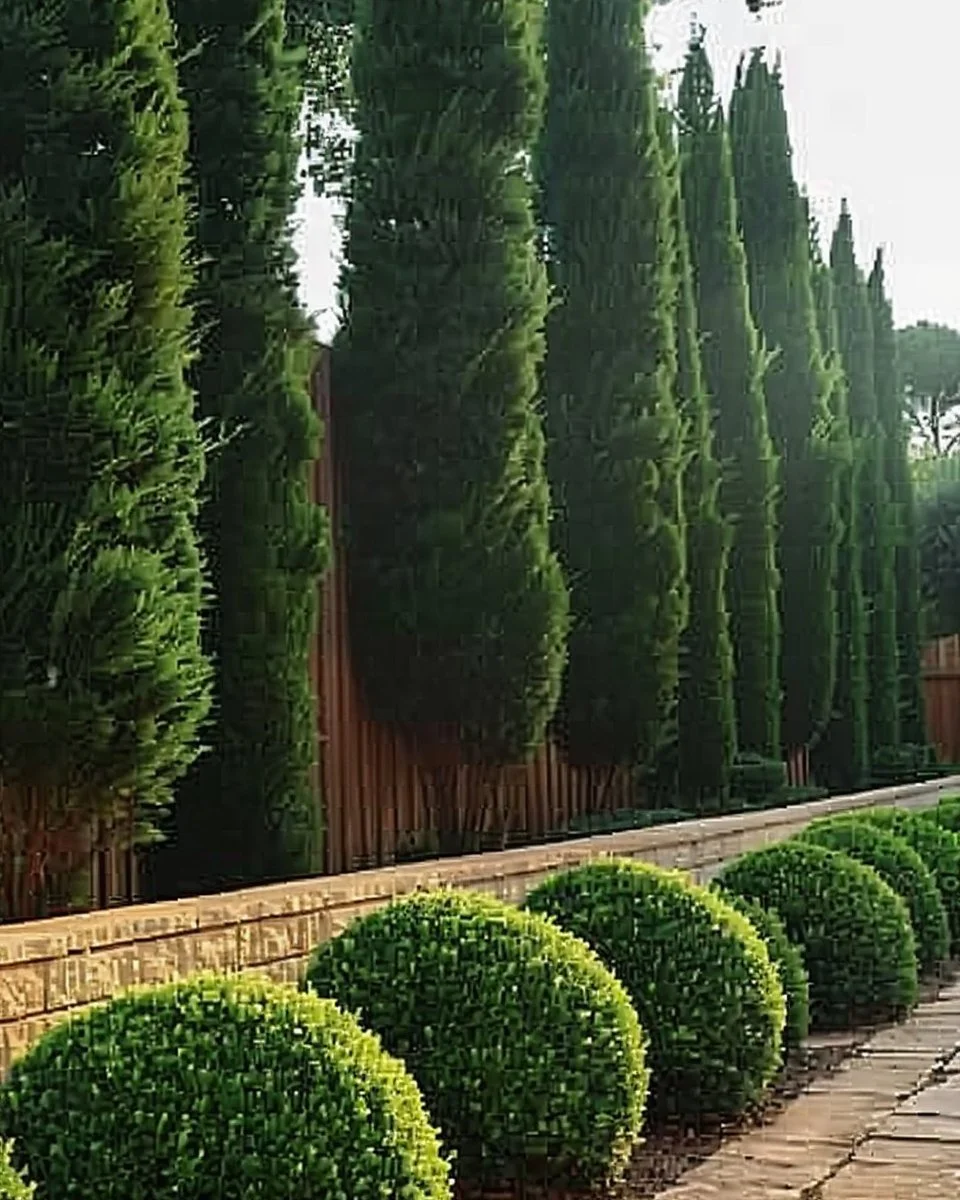
- Leyland Cypress: Known for its rapid growth, the Leyland Cypress can reach up to 60 feet tall. Its dense, narrow growth habit makes it perfect for tight spaces along a fence line.
- Thuja Green Giant: Another fast-growing option, the Thuja Green Giant can reach heights of 30-50 feet, offering excellent coverage. It’s resistant to most pests and diseases, making it low-maintenance.
- Eastern White Pine: This tree adds a soft, textured look to your fence line. With its tall, thin form, it can grow up to 80 feet and provides lovely year-round greenery.
Deciduous Trees
Deciduous trees are known for their seasonal beauty. Here are some stellar examples:
- Sugar Maple: Renowned for its vibrant fall foliage, the Sugar Maple can grow to 60 feet tall. It provides a lovely shade during warmer months.
- Red Oak: The Red Oak is a sturdy choice, reaching heights of 60 feet. It’s a natural at supporting local wildlife, making your yard more lively.
- Weeping Willow: Famous for its graceful, drooping branches, the Weeping Willow can grow up to 50 feet tall. It requires a bit more water than other trees but offers stunning aesthetics and shade.
Flowering Trees
If you want trees that bring color and fragrance, consider these flowering options:
- Cherry Blossom: Known for their stunning blooms in early spring, Cherry Blossoms can reach up to 30 feet tall. They produce beautiful flowers that are a favorite among pollinators.
- Magnolia: The Magnolia tree is a showstopper with its large, fragrant blooms. It can grow up to 80 feet tall, providing both beauty and shade.
- Crabapple: This small tree is perfect for smaller yards, reaching about 15-25 feet. It blooms in spring and produces small, colorful fruit in autumn, attracting birds to your fence line.
Maintenance Tips for Your Trees
To ensure the health and longevity of your trees, here are some vital maintenance tips:
- Watering: Newly planted trees need frequent watering. The first year is crucial for establishing roots.
- Mulching: Adding mulch around the base will help retain moisture, regulate soil temperature, and suppress weeds.
- Pruning: Regularly prune your trees to encourage healthy growth and remove any dead or dying branches.
- Fertilizing: Depending on the tree species, you might need to fertilize annually to encourage healthy growth.
Have you considered how a little care can go a long way? Establishing a regular maintenance routine will pay off in the long run.
Creating a Beautiful Fence Line
A well-planned fence line can significantly enhance your yard’s visual appeal. Consider planting a mixture of the listed trees for year-round interest. For example, pairing Evergreen trees with flowering ones can create a lovely contrast.
You could outline your fence with a row of Leyland Cypresses that creates a border, and intersperse flowering trees like Magnolia or Cherry Blossom that will bring charm and change with the seasons. Don’t forget to plant perennials or shrubs at your fence base for added layers of interest!
Common Pests and Diseases
Being aware of potential pests and diseases can save you trouble down the line:
- Aphids: These tiny insects can infest new growth. Regularly check your trees and treat infestations with insecticidal soap.
- Leaf Spot: A common fungal disease, leaf spots can be minimized with proper air circulation, watering practices, and if necessary, fungicides.
- Bark Beetles: These pests can affect certain tree species. Keeping trees healthy and stress-free is vital in preventing infestations.
Don’t worry, most trees can recover with proper care and management. Staying vigilant will help keep your trees healthy!
Conclusion
Choosing the right trees to plant along your fence is an investment in your property. From enhancing privacy to providing beauty, the 10 Best Trees To Plant Along Fence can make your yard a serene escape. Remember to consider your space, climate, and maintenance needs when selecting your trees. With a bit of planning and care, you can create a stunning and functional landscape that you’ll enjoy for years to come.
FAQs
What are the best trees for a privacy fence?
Evergreen trees like Leyland Cypress and Thuja Green Giant are often recommended for privacy due to their dense foliage and rapid growth.
How far should trees be planted from a fence?
Generally, it’s recommended to plant trees at least 2-3 feet away from a fence to allow for root growth and to prevent potential damage.
When is the best time to plant trees?
The best time to plant trees is typically in early spring or fall when temperatures are cooler and moisture is more abundant.
How often should I water my newly planted trees?
Newly planted trees should be watered deeply once or twice a week, depending on your local climate and soil conditions.
Can I mix different types of trees along my fence?
Absolutely! Mixing various tree types can create visual interest and promote biodiversity, but be mindful to choose species that share similar water and sun requirements.