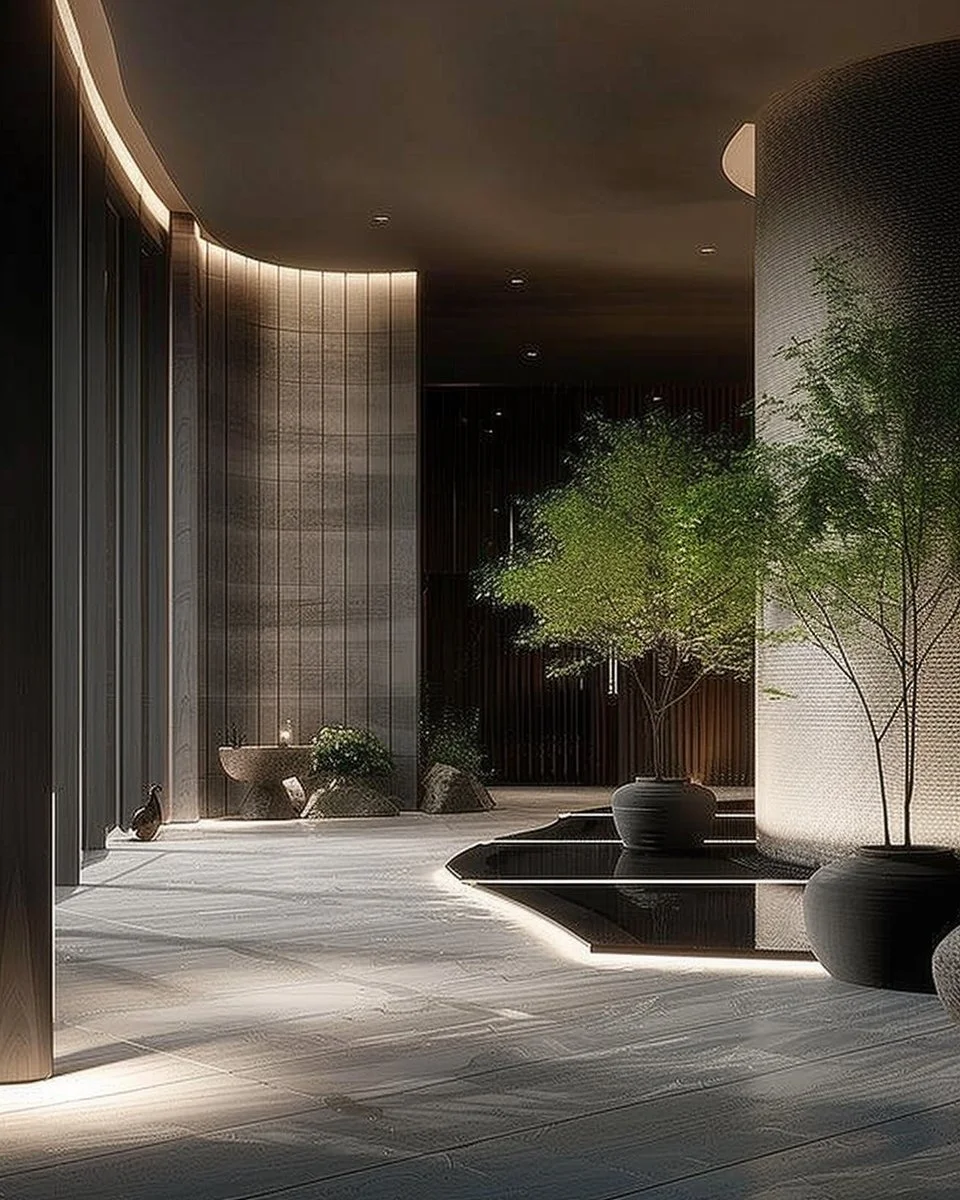
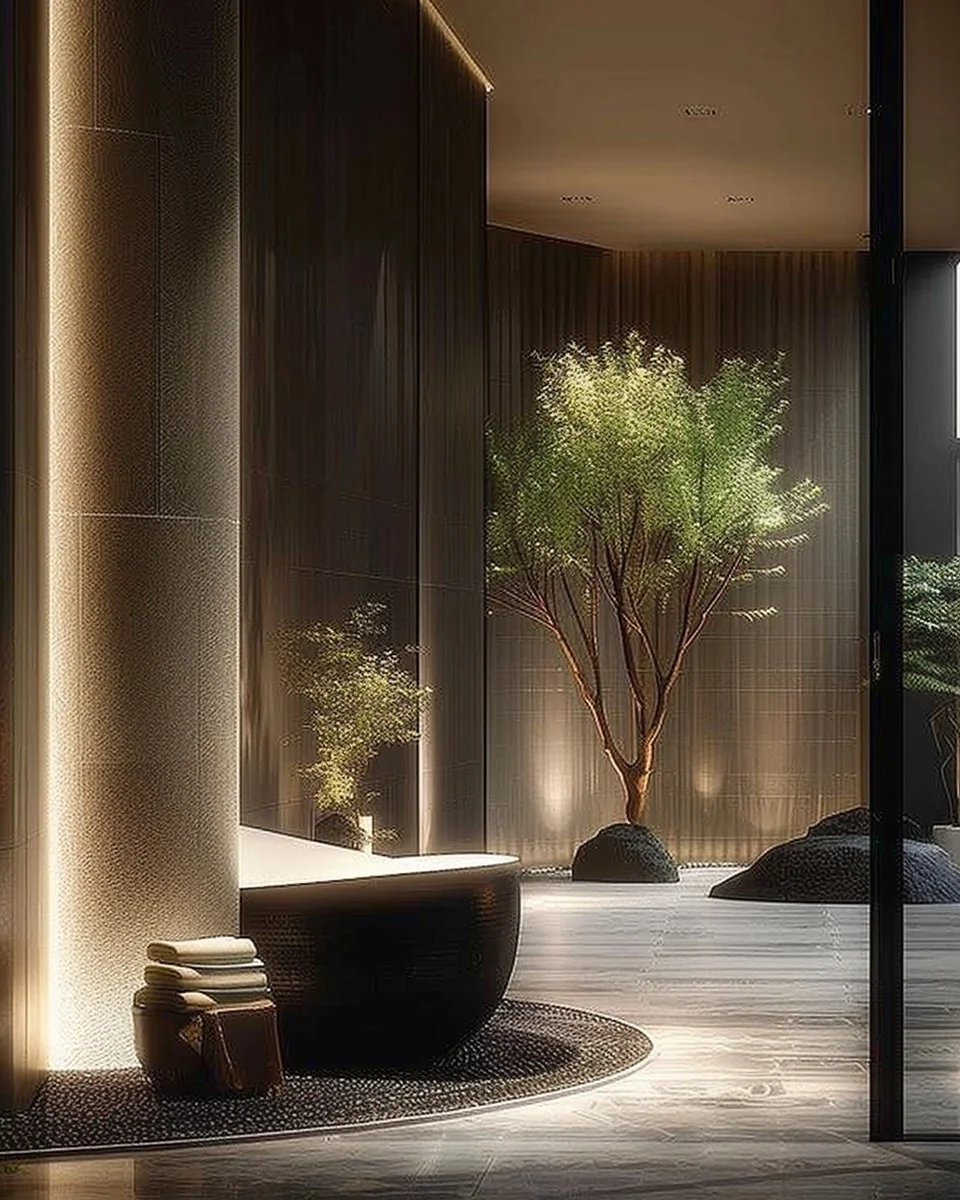
Introduction to Luxury Hospitality Design with Indoor Trees
Indoor trees have become an essential element in both residential and commercial environments, particularly within luxury hospitality design. They offer an effortless way to create a welcoming atmosphere, enhance aesthetics, and provide psychological benefits to guests and homeowners alike. With advancements in technology, artificial plants also present a practical option for those wishing to incorporate greenery without the challenges of live plant care.
In this article, we will explore the ins and outs of indoor tree care and how to successfully integrate them into home environments. We will delve into the necessary requirements for light, water, and soil, discover optimal placement tips, and provide a comprehensive maintenance guide.
Indoor Tree Overview
Indoor trees have all the benefits of outdoor plants but are specifically chosen for their suitability to thrive in indoor environments. There is a vast variety of indoor trees available, ranging from the highly popular Fiddle Leaf Fig to the resilient Dracaena.
These trees can significantly enhance the interior space of a home, making it feel more open and natural. They can be placed in corners, next to windows, or as focal points in larger rooms. Their size and structure also help in defining areas within open-plan designs.
Light, Water, and Soil Requirements
Light Requirements
All indoor trees require a specific amount of light to thrive, so understanding each plant’s needs is crucial. Generally, most indoor trees prefer indirect sunlight, as direct sunlight can scorch their leaves.
- Fiddle Leaf Fig: This plant thrives in bright, indirect light; too little can hinder growth.
- Rubber Plant: It can adapt to lower light conditions but performs best in moderate to bright light.
Water Requirements
Watering indoor trees is essential but can be tricky. The frequency may vary based on the tree species, indoor conditions, and seasonal changes.
- Check Soil Moisture: A simple finger test can determine if the tree requires watering. If the top two inches of soil are dry, it’s time to water.
- Overwatering Caution: Always ensure that the pot has drainage holes to prevent root rot from overwatering.
Soil Requirements
The right soil mix can make all the difference in maintaining healthy indoor trees. Look for a well-draining potting mix suitable for indoor plants.
- For Fiddle Leaf Figs: Use a mix that includes peat, perlite, and pine bark to ensure adequate drainage.
- For Dracaena: A commercial potting mix is typically sufficient, but hybrids can benefit from added perlite or sand for drainage.
{image_template}
Best Indoor Placement Tips
Choosing the right location for your indoor tree can enhance its growth and longevity. Here are some tips for ideal placements:
Observe Natural Light Sources
Placing an indoor tree near windows where it can receive ample natural light is essential.
- Avoid Areas with Drafts: Trees should not be placed near doors or windows where temperatures fluctuate excessively.
- Use Sheer Curtains: If direct sunlight is too harsh, consider sheer curtains to diffuse sunlight.
Consider Room Size
The size of your indoor tree should correspond with the room size.
- Small Trees in Small Spaces: Smaller species like the Parlor Palm work well in cozy spaces.
- Large Trees as Focal Points: Larger species, such as a Kentia Palm, can serve as statement pieces in spacious areas.
Growth and Maintenance Guide
Regular care is crucial for the health of indoor trees. Below are key growth and maintenance practices:
Fertilization
Regular fertilization during the growing season (spring and summer) can promote vibrant growth.
- Use Balanced Fertilizer: A liquid houseplant fertilizer diluted to half strength works well.
- Frequency: Fertilize every month during the growing season and reduce in the fall and winter.
Pruning
Periodically pruning indoor trees helps maintain their shape and encourages new growth.
- Trim Dead or Yellowing Leaves: This keeps the tree looking tidy and healthy.
- Cut Back Overgrown Branches: Ensure light penetrates the inner foliage by cutting back any excessively long branches.
Dusting Leaves
Dust accumulation on leaves can limit their ability to photosynthesize efficiently.
- Use a Damp Cloth: Regularly wipe down the leaves of your indoor tree to keep them clean.
- Spraying with Water: Gently misting the leaves can help in reducing dust while maintaining humidity levels.
Common Problems and Solutions
Even with the best care, indoor trees may face issues. Here are some common problems and simple solutions:
Pest Infestations
Indoor trees can attract pests like spider mites or aphids.
- Regular Inspection: Frequently check for signs of pests to catch infestations early.
- Natural Remedies: A mixture of water and mild soap can deter pests without harsh chemicals.
Leaf Yellowing
Yellowing leaves can indicate several issues, including overwatering, under-watering, or insufficient light.
- Assess Watering Practices: Make adjustments according to soil moisture.
- Evaluate Light Conditions: Moving the tree to a brighter location may be necessary.
Dropping Leaves
Leaf drop can be alarming and indicative of stress.
- Check Environmental Factors: Ensure the tree is not exposed to drafts or sudden temperature changes.
- Adjust Watering Schedule: Review the watering routine to address possible over or under-watering.
Long-Term Care Tips
Ensuring your indoor tree thrives for years involves commitment and attentiveness.
Seasonal Adjustments
Different seasons can affect the care your tree requires.
- Winter Care: Reduce watering frequency as growth slows down.
- Summer Care: Increase humidity with regular misting or placing trays with water and pebbles nearby.
Repotting
Repotting indoor trees every couple of years prevents root bonding and promotes healthy growth.
- Timing: Spring is the best time for repotting.
- Choosing the Right Pot: Select a pot that is only one size larger to avoid overwhelming the root system.
FAQs about Luxury Hospitality Design with Indoor Trees
Q: Can I use artificial trees instead of real indoor trees?
A: Yes, artificial trees can provide a low-maintenance alternative while still enhancing your interior design.
Q: How often should I water my indoor tree?
A: It depends on the species; generally, check the top two inches of soil and water when dry.
Q: What is the best type of indoor tree for low light?
A: The Snake Plant and the ZZ Plant are excellent options for low-light environments.
Q: Do indoor trees require specific potting soil?
A: Yes, using a well-draining potting mix is essential for promoting healthy root growth.
Q: How can I tell if my indoor tree is getting enough light?
A: Look for signs such as new growth; if your tree is stretching towards the light, it may need more exposure.