
Introduction
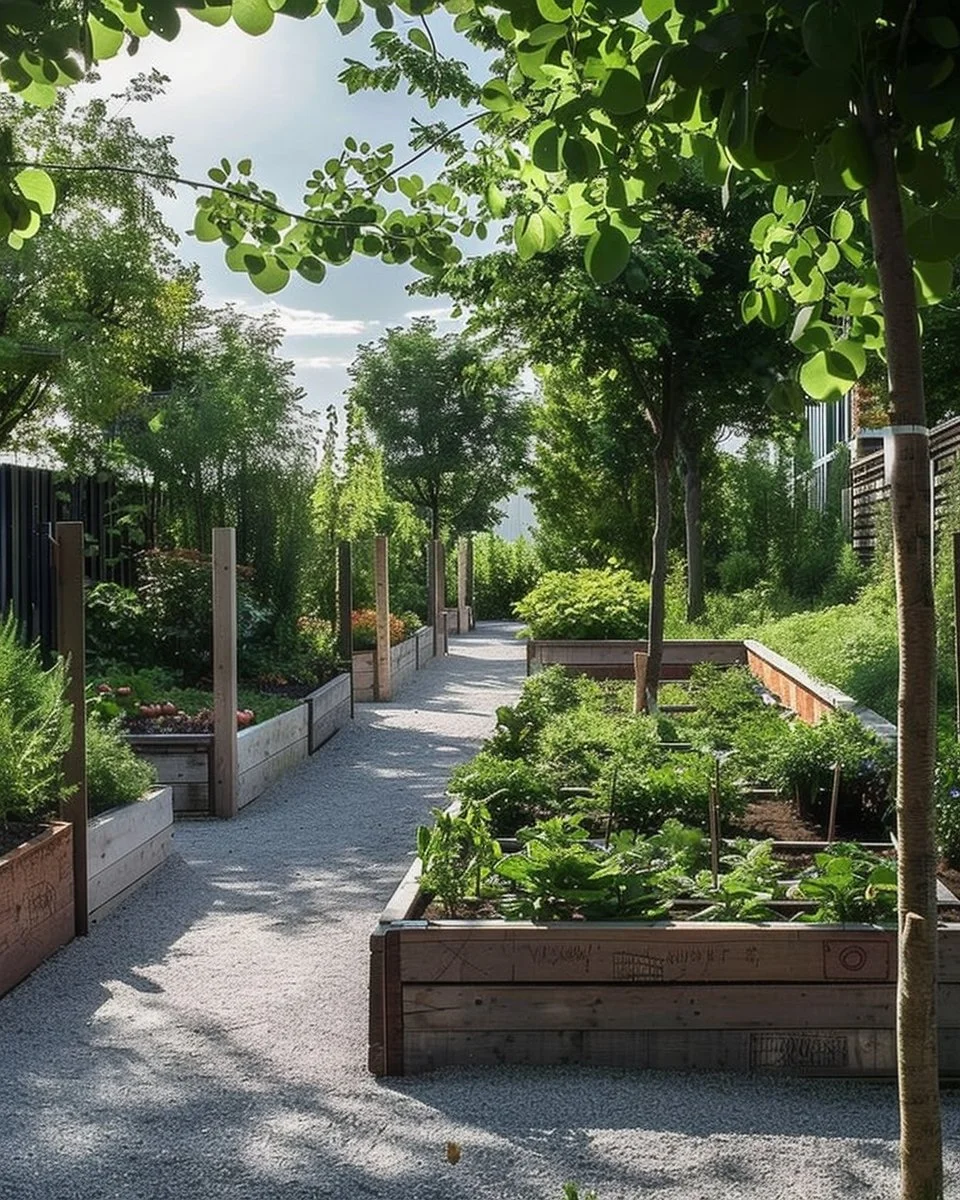
Have you ever dreamt of stepping into your own little haven filled with fruit-laden trees, where every season offers a burst of color and fragrance? A small orchard garden can be that dream come true, transforming your outdoor space into a fruitful retreat. In this article, we’ll explore the best ideas for a Small Orchard Garden Layout, allowing you to maximize your space while cultivating delicious fruits and vibrant greenery.
Growing your own fruit trees is not just rewarding; it also brings a sense of satisfaction that store-bought fruit simply can’t match. Whether you have a tiny backyard, a shared garden, or even just a community plot, you can create a layout that fits your needs and style. By the end of this guide, you’ll have a treasure trove of inspiration to establish a small orchard that thrives and provides for you and your family.
Table of Contents
Understanding Your Space
Assessing Sunlight and Soil Quality
Before you dig up the garden, take a moment to evaluate your outdoor space. Understanding the sunlight your area receives is crucial, particularly for a Small Orchard Garden Layout. Most fruit trees thrive in full sun, requiring at least 6-8 hours of sunlight each day. Monitor your garden throughout the day to identify which areas get the most sun and which are shaded.
Soil quality also matters. A simple soil test kit can reveal pH levels and nutrient contents. Ideally, most fruit trees prefer slightly acidic to neutral soil (pH of 6.0 to 7.0). If your soil falls outside this range, consider amending it with compost or other organic materials to create an ideal environment.
Choosing the Right Location
Finding the right spot for your orchard involves picking not just a sunny area but one that is also sheltered from strong winds and with good drainage. Avoid areas with standing water, as roots that sit in water can rot. Proximity to your kitchen can also be wonderful, enabling quick access to fresh fruit when cooking or snacking!
Types of Fruit Trees for Small Gardens
Dwarf and Semi-Dwarf Varieties
When space is limited, dwarf and semi-dwarf fruit trees are your best friends. Dwarf trees typically only grow to about 3-4 feet tall, while semi-dwarf trees reach 5-8 feet, making them perfect for small spaces. They’re also easier to maintain and harvest.
Some popular dwarf fruit trees include apples, pears, and cherries. Each offers delicious varieties and can produce fruit in just 2-3 years after planting! Consider your favorite fruits and whether they flourish in your climate before choosing the perfect ones to plant.
Best Fruit Trees for Small Spaces
As you consider what to plant, think about varieties that not only fit your space but also your flavor preferences. Here are a few trees to consider:
- Apple: Varieties like ‘Honeycrisp’ or ‘Fuji’ are excellent choices and offer delicious fruit.
- Peach: The ‘Bonanza’ peach tree is a delightful dwarf variety packed with flavor.
- Fig: Figs grow well in containers, making them an excellent option for very small spaces.
Remember that cross-pollination is essential for many fruit trees. Be sure to plant compatible tree varieties that can help each other bear fruit.
Designing Your Small Orchard Garden Layout
Spacing and Arrangement Tips
Creating an efficient Small Orchard Garden Layout means making the most of every inch. The general rule for spacing is to plant trees at least 6-10 feet apart. This spacing allows for airflow, encourages healthy growth, and makes harvesting easier. However, consider vertical designs like Espalier where trees are trained to grow flat against a support. This option conserves space while still permitting fruit production.
Companion Planting for Success
Companion planting can enhance your orchard’s productivity while also keeping pests at bay. Consider planting flowers that attract pollinators—like marigolds or lavender—near your fruit trees. Herbs such as basil or dill can deter pests naturally while providing additional herbs for your kitchen.
Maintenance and Care of Your Orchard
Pruning Techniques for Small Trees
Regular pruning is essential for the health and productivity of your orchard. During dormancy (late winter to early spring), prune to remove any dead or crossing branches and to shape the tree. Keep in mind that dwarf trees require less drastic pruning, so aim for maintaining their structure rather than extensively reshaping.
Organic Pest Control Strategies
A healthy orchard involves understanding its pests and how to manage them organically. Simple methods such as handpicking pests or using neem oil sprays can be incredibly effective. Additionally, introducing beneficial insects like ladybugs can also help keep pest populations manageable.
Seasonal Care and Harvesting
Timing for Pruning and Planting
Timing is key in both planting and pruning your fruit trees. Typically, early spring is ideal for planting new trees after the frost danger has passed. Pruning should happen when the trees are dormant, generally late winter, to encourage robust growth in the coming season.
Best Practices for Harvesting
When it’s time to harvest your fruit, pick when fully ripened for the best flavor. Different fruits have varied readiness indicators. For example, apples may change color and feel slightly softer, while peaches release easily from the tree when ready. Avoid letting fruit over-ripen on the tree, as this can foster pests and disease.
Personal Anecdote: My First Orchard Experience
I still remember planting my first tree—a little dwarf apple tree called ‘Gala.’ It was spring, and my excitement was palpable as I dug the hole, carefully ensuring proper spacing. The following fall, I spotted the first blush of red on the apples—it felt like I had received a precious gift. Each bite was a reminder of the care that went into nurturing that small tree.
Conclusion
Creating a Small Orchard Garden Layout can transform your gardening experience, offering beauty, sustenance, and joy right in your backyard. By carefully assessing your space, selecting the right dwarf or semi-dwarf fruit trees, and planning the layout with attention to detail, you can create a thriving mini-orchard that enhances your lifestyle. Remember, every small tree you plant carries the promise of fresh, organic fruit and cherished memories for years to come. Get ready to dig in and enjoy your gardening journey!
FAQs
What fruits can I grow in a small orchard?
You can grow a variety of fruits including apples, peaches, cherries, and figs using dwarf and semi-dwarf varieties.
How much sunlight do fruit trees need?
Most fruit trees require at least 6-8 hours of full sunlight per day for optimal growth and fruit production.
How do I care for my small orchard in winter?
In winter, ensure your trees are well-watered before the ground freezes, and cover the roots with mulch to protect them from extreme cold.
When should I prune my fruit trees?
Pruning is best done during the tree’s dormant season, typically late winter, to shape and encourage growth for the following spring.
Can I plant flowers with my fruit trees?
Absolutely! Flowers can attract pollinators and beneficial insects while enhancing the beauty of your orchard.