
Introduction
If you’ve ever stared out at a winter garden and wished for more than bare branches and brown grass, you’re not alone. I remember my first suburban winter: a row of dormant sticks where my spring-and-summer glory used to be. That winter taught me the value of planning for all four seasons. In this article you’ll discover 10 Winter-Hardy Shrubs for Year-Round Color and learn how to choose, plant, and care for them so your landscape keeps delivering interest through snow and thaw.
For a quick companion resource that complements the tips here, check this detailed shrub guide to help you match varieties to your microclimate.
Table of Contents
Choosing the Right Shrubs
Picking the right shrub is less about the “coolest” specimen and more about the right fit for your yard. Have you ever fallen in love with a plant in a catalog only to watch it struggle for years? Matching plant to place saves time and heartbreak.
Site and Soil
Start by observing sun, shade, and drainage. Most winter-hardy shrubs that offer year-round interest do well in full sun to part shade, but soil drainage is crucial. Clay that holds water all winter can lead to root rot; raised beds or amended planting holes help. Test a few spots by digging a fist-sized hole and checking how fast water drains after a deep soak.
Practical example: if your site is wind-exposed and slightly alkaline, choose tough evergreens or shrubs known for wind tolerance rather than delicate bloomers.
Hardiness and Zones
Consult your USDA hardiness zone, plus your garden’s microclimates. Cold pockets near driveways or south-facing walls each create different environments. Many of the best choices for year-round color are hardy across multiple zones, but always pick varieties rated for your coldest expected winter.
Size and Form
Think mature size. A popular mistake is planting a shrub that will become a small tree directly under a window. Look at mature height and spread on tags, and give shrubs room to show off their winter structure—twigs, form, and berries all need space to be visible.
Shrub Profiles
Here are practical, garden-ready profiles grouped by their standout winter attributes. These choices are excellent examples among the 10 Winter-Hardy Shrubs for Year-Round Color and are selected to offer a mix of evergreen structure, winter blooms, colorful bark, and persistent fruit.
Evergreen Picks
- Boxwood (Buxus spp.): Classic, dense foliage for year-round structure. Great for low hedges or clipped forms. Choose varieties with good winter burn resistance if you’re in windy or salty-air areas.
- Yew (Taxus spp.): Deep green needles hold through cold spells and tolerate shade. Yews respond well to pruning and can be sculpted into strong focal elements.
- Inkberry Holly (Ilex glabra): A true broadleaf evergreen with attractive black berries on female plants when pollinated—useful in mixed borders for winter interest.
These evergreens function as the “bones” of a garden, so place them where their color and form can anchor winter compositions.
Flowering Picks
- Witch Hazel (Hamamelis spp.): Blooms in late winter with fragrant, ribbon-like flowers in yellow to red. The twisty branches are attractive even when the flowers are sparse.
- Winter Daphne (Daphne odora): Highly fragrant winter blooms—best in milder winter zones or well-protected spots. Keep soil well-drained and slightly acidic.
- Camellia (Camellia japonica or sasanqua): For zones where they’re hardy, camellias provide glossy evergreen leaves and winter flowers ranging from white to deep pink.
These shrubs give you seasonal payoff in late winter or early spring—precisely when you want a lift after grey months.
Foliage and Fruit Picks
- Red-twig Dogwood (Cornus sericea): Noted for vibrant red or yellow stems that really pop against snow. Leaves fall, but the winter stems keep color.
- Arctic Willow (Salix purpurea ‘Nana’): Small shrub form with rich red-purple twigs—excellent for massing near a snowy backdrop.
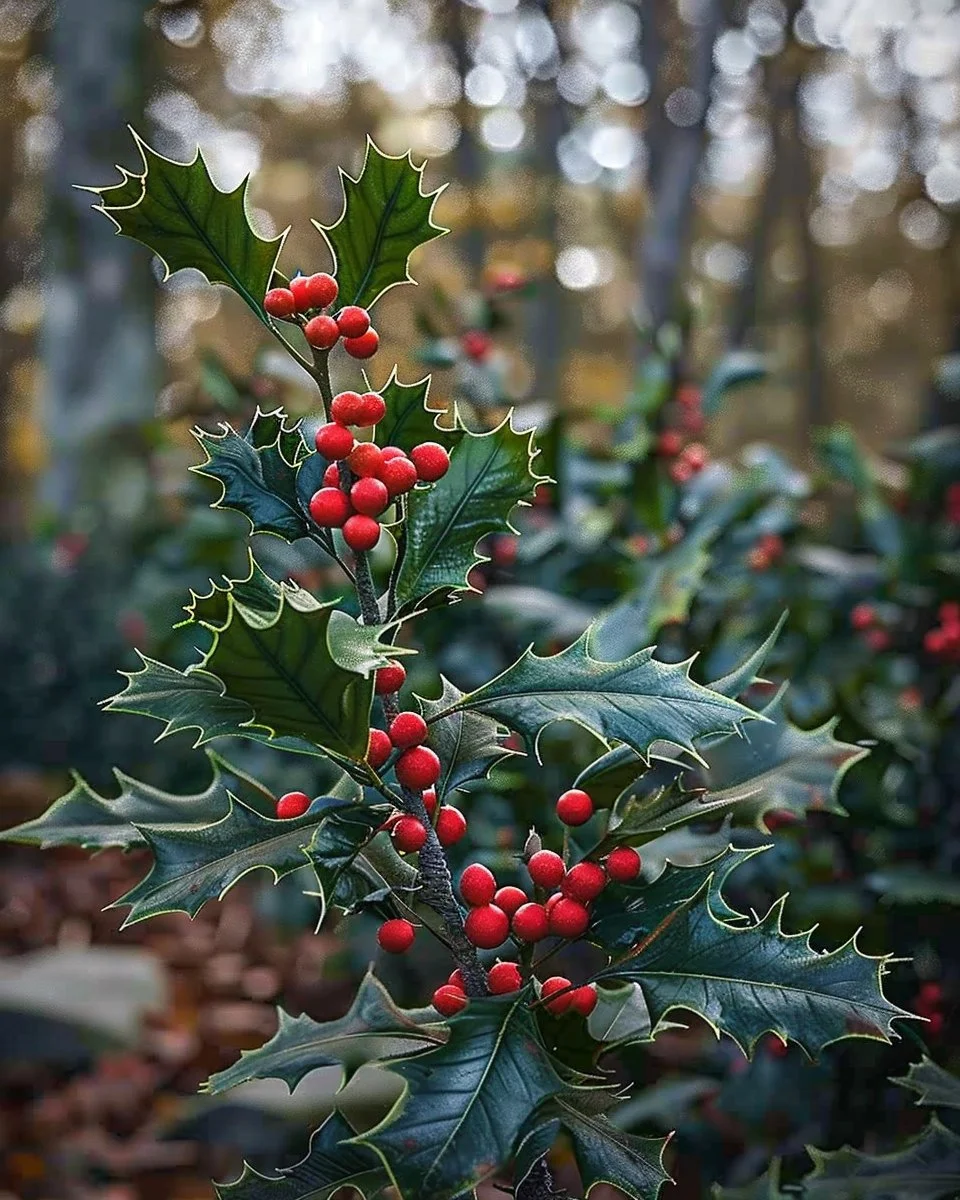
- Winterberry (Ilex verticillata): A deciduous holly that drops its leaves but holds brilliant berries all winter on bare stems if male pollinators are nearby. Berries need female plants; add a male nearby for fruit set.
Combining these with evergreens boosts contrast: glossy green, bright twigs, and brilliant berries create layered winter interest.
Planting and Care
Good care at planting and through the seasons ensures these shrubs thrive for years.
Planting Tips
Dig a hole twice as wide as the root ball but no deeper than its height. Loosen roots gently if they’re circling. Backfill with native soil amended only as needed—large amendments can create a “pot” effect where roots won’t escape. Water deeply at planting and mulch with organic material, keeping mulch away from the trunk.
Example timeline: Plant in early fall for root establishment before winter or in spring after frost. Early fall gives many shrubs a head start on root growth without leaf stress.
Pruning and Maintenance
Prune evergreens lightly to maintain shape. For red-twig dogwood or arctic willow, rejuvenation pruning—removing a third of the oldest wood annually—keeps twig color bright. Deadhead spent flowers on spring bloomers to encourage healthy form, but avoid heavy pruning on late-fall-blooming types.
Winter Protection
Shielding from winter burn matters for certain broadleaf evergreens. Use anti-desiccant sprays selectively, and consider burlap screens for wind-exposed sites. For shrubs with berries, avoid stripping wildlife of their food—prune with restraint.
Have you ever tied burlap around a young shrub and been amazed at how much it closed up and warmed the microclimate? That simple step can be the difference between twig survival and lost branches.
Design Ideas
Think beyond individual shrubs—design makes winter-hardy shrubs sing together.
Borders and Hedges
Use evergreens like boxwood or yew for low hedges that hold form all winter. Interplant with seasonal accents such as red-twig dogwood at intervals to break monotony and add color.
Example layout: a three-row hedge with a backdrop of taller evergreens, a middle layer of flowering shrubs, and a front row of low boxwood creates depth even in December.
Containers and Small Gardens
Many shrubs adapt to large containers—choose compact varieties and remember that containers freeze faster, so insulate pots in severe climates or plant them into the ground. Camellias and dwarf hollies make excellent container features that can be moved to sheltered spots.
Mixed Plantings
Combine foliage, flowers, and stem color. Place winterberry near contrasting evergreens so the berries appear like ornaments. Group shrubs by similar water and light needs to simplify maintenance.
Think about rhythm and repetition: repeating a single shrub species in groups of three or five creates a visual pulse across a winter landscape.
Troubleshooting and Pests
Even hardy shrubs face issues. Here are common problems and straightforward fixes.
- Winter Burn: Browning of leaf edges in broadleaf evergreens. Reduce sun/wind exposure with screens and ensure consistent watering before ground freezes.
- Salt Damage: Road salt can burn shrubs near driveways. Use salt-tolerant species or create barriers and use alternatives to salt where possible.
- Pests and Disease: Scale, mites, and fungal issues occur—inspect regularly. Prune out infested wood, and for severe infestations consult integrated pest management options instead of routine heavy insecticide use.
- Poor Flowering or Berries: Often due to poor pollination or incorrect pruning time. For berry-producing shrubs, ensure male pollinators are planted nearby and avoid pruning in spring if it removes buds.
A quick anecdote: I once lost a cherished winterberry row to a late frost after a warm spell fooled the plants into budding. I replaced it with later-blooming cultivars and added a male pollinator—now the berries persist reliably even after tricky springs.
Conclusion
Choosing robust plants pays dividends through every season. These 10 Winter-Hardy Shrubs for Year-Round Color give structure, blooms, twig color, and berries that keep your garden lively when many plants sleep. Start by matching shrubs to your site, plant well, and maintain thoughtful pruning and winter care.
For further reading on evergreen options that complement these shrubs, the list titled 21 Best Evergreen Shrubs for Year-Round Garden Color offers excellent variety choices and care notes to expand your palette.
FAQs
Q: When is the best time to plant winter-hardy shrubs?
A: Early fall is ideal for root establishment, but spring works too—avoid planting during heat waves or deep freezes.
Q: How can I ensure winterberry produces berries?
A: Plant both female and male cultivars close enough for pollination; typically one male can pollinate several females.
Q: Do evergreen shrubs need mulch in winter?
A: Yes. A 2–3 inch organic mulch layer insulates roots and moderates soil temperature but keep mulch away from stems to prevent rot.
Q: Can I prune red-twig dogwood in winter?
A: It’s best to prune red-twig dogwood in late winter to stimulate vigorous new growth in spring; rejuvenation pruning removes older stems to promote colorful new shoots.
Q: How do I protect shrubs from deer in winter?
A: Use physical barriers, repellents, and plant less-palatable species. Tall netting or fencing is the most reliable protection in deer-prone areas.