
Introduction
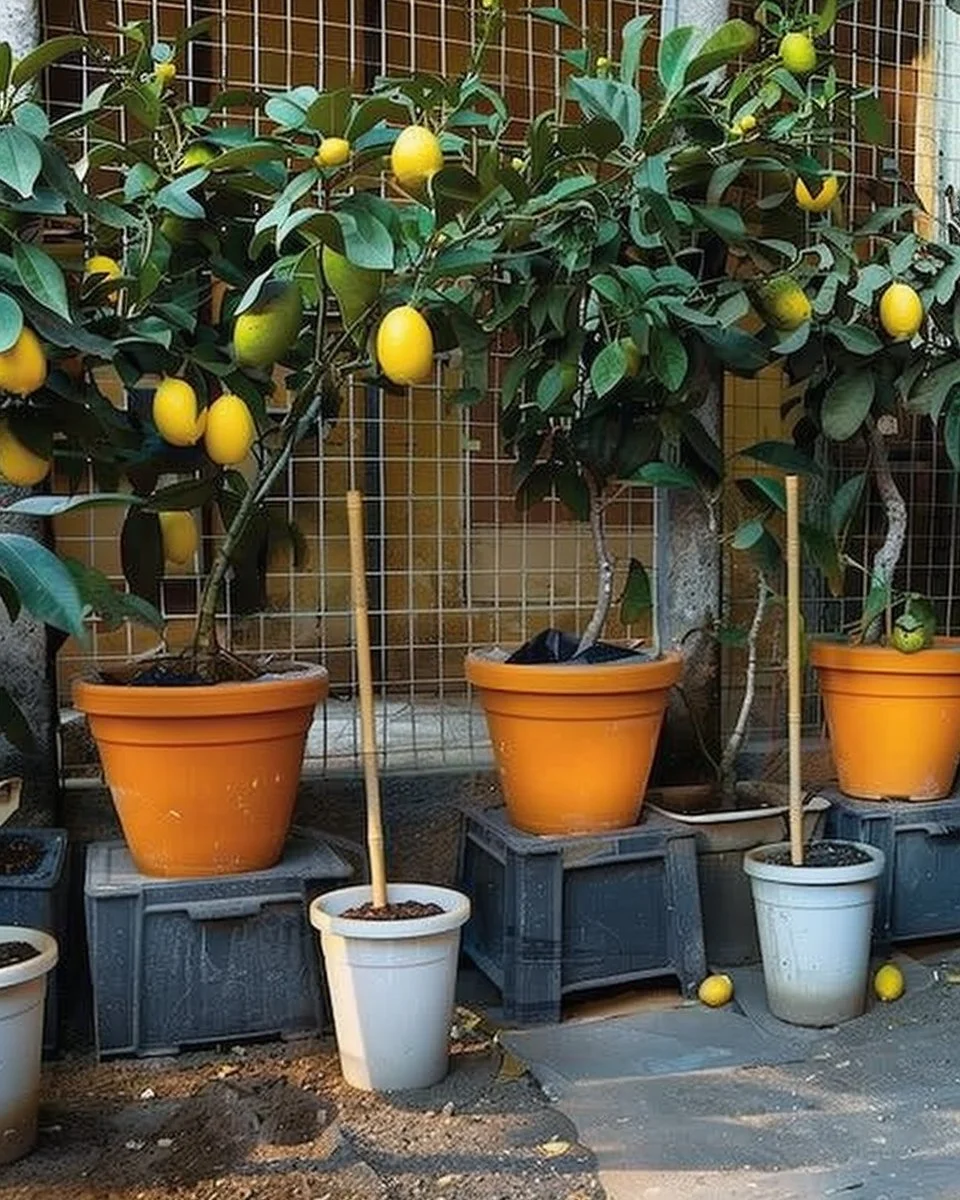
Growing a lemon tree from a little seed can feel like magic: you toss a seed in soil, water it, and months later a tiny green sprout reaches for sunlight. This article lays out a clear, friendly, and practical 5-Step Process on How to Grow a Lemon Tree from Seed in Containers so you can enjoy that slow, satisfying progress. You’ll learn how to choose and prep seeds, pick containers and soil, germinate reliably, care for young plants, and troubleshoot common problems.
If you’re new to container gardening and want a gentle starter project before committing to citrus, check out 10 Easy Vegetables to Grow in Containers for ideas that build your confidence. I’ll also share a short anecdote about my first lemon seed later — spoiler: patience matters more than luck.
Throughout this guide I’ll use the exact 5-Step Process on How to Grow a Lemon Tree from Seed in Containers to keep things focused and repeatable. By the end you’ll have specific actions, examples, and realistic timelines.
Table of Contents
Preparing Seeds and Materials
Seed Selection
Start with ripe, healthy lemons from the grocery store or your own tree. Avoid seeds from hybrid or heavily processed fruit if possible — non-hybrid (heirloom) seeds tend to show the true characteristics of their parent and sometimes germinate more predictably. That said, many gardeners succeed with supermarket lemons; success is often about care after planting.
I recommend trying 6–10 seeds: not all will sprout, and you’ll pick the best seedlings to keep. Label each seed’s source if you’re experimenting with different varieties.
Seed Preparation
Gently wash seeds to remove pulp and sugars that can attract mold. Let them dry for 24 hours on a paper towel in a cool, shaded spot. For a small boost to germination, you can nick the seed coat lightly with a nail file or soak seeds for 12–24 hours in lukewarm water to soften the coat. Don’t overdo scarification — just a light nick or soak is enough.
Keep in mind the exact 5-Step Process on How to Grow a Lemon Tree from Seed in Containers includes seed prep as an early and important step: cleanliness and gentle handling reduce fungal problems later.
Materials Checklist
Gather:
- Small seedling pots or trays (2–3 inches)
- Sterile seed-starting mix or well-draining potting mix
- Clear plastic dome or plastic wrap (for humidity)
- Small labels and marker
- A spray bottle for misting
- Heating mat (optional, speeds germination in cool climates)
Have everything ready before sowing; when seedlings appear, you’ll want to act quickly to keep them healthy.
Choosing the Right Container and Soil
Container Size
Start small: 2–3 inch pots are perfect for germination. As roots develop, move seedlings into 4–6 inch pots, then ultimately into larger containers (see Potting On). For a mature potted lemon that fruits, aim for at least a 10–15 gallon container. Smaller containers keep trees compact and are easier to move indoors in winter.
Soil Mix
Citrus prefer a light, well-draining mix. Combine:
- 50% quality potting mix
- 20% coarse sand or perlite
- 30% organic matter (compost or coconut coir)
The blend gives moisture retention without waterlogging. Avoid garden soil straight from the yard — it’s often too heavy and may contain pests.
Drainage Tips
Always use pots with drainage holes. Add a layer of coarse grit or coconut chips at the bottom if you’re concerned about root sogginess. If you reuse pots, sterilize with a weak bleach solution and rinse thoroughly to avoid disease carryover.
The 5-Step Process on How to Grow a Lemon Tree from Seed in Containers emphasizes soil and container choice early — a happy root environment simplifies later care.
Germination and Early Care
Sowing Seeds
Fill seed pots with moist seed-starting mix and press a seed about 1/4 inch deep. Cover lightly and mist the surface. Sow 2–3 seeds per pot; after germination, remove the weaker seedlings so the strongest has room.
Place pots in bright, indirect light. A sunny windowsill that receives morning sun is ideal. Avoid harsh midday sun on young seedlings, which can scorch delicate cotyledons.
Moisture and Temperature
Consistent moisture is vital. Keep the mix damp, not wet. Use a spray bottle to mist daily or cover pots with a clear dome to maintain humidity while allowing a little airflow to prevent fungus. A soil temperature of 70–80°F (21–27°C) speeds germination. If your room is cool, use a seedling heat mat for 1–2 weeks.
Patience is part of the 5-Step Process on How to Grow a Lemon Tree from Seed in Containers: germination can take 2–6 weeks depending on seed freshness and conditions.
First Leaves Care
Once true leaves appear (beyond the round seed leaves), begin giving more light and gradually reduce humidity. At this stage, seedlings are more resilient but still vulnerable to overwatering and damping-off disease. Use a diluted, balanced fertilizer (quarter strength) once seedlings have two to three sets of leaves.
Potting On and Long-Term Growth
When to Repot
Transplant seedlings into larger pots when roots fill the original container or the plant shows vigorous growth. Move up one pot size at a time to avoid overly large soil volumes that retain moisture. For example: 3-inch pot → 4–6 inch pot → 1–3 gallon pot as the plant grows.
When moving, gently tease roots and position the seedling at the same soil depth as before. Water thoroughly after repotting.
Feeding and Watering Schedule
Young lemon trees appreciate consistent, moderate feeding. Use a citrus-specific fertilizer or a balanced N-P-K formula with micronutrients roughly every 4–6 weeks during the growing season. For containers, slow-release fertilizers combined with light liquid feedings can keep nutrients steady.
Water when the top inch of soil feels dry. Frequency depends on pot size, soil, and weather. Small pots may need watering every few days in summer; larger containers can stretch to once a week. Always water thoroughly until water drains from the bottom.
Remember the 5-Step Process on How to Grow a Lemon Tree from Seed in Containers focuses on gradual progression: consistent care rather than aggressive feeding produces healthier, longer-lived trees.
Feeding and Pruning for Fruiting
Fertilizer Choices
Once trees are a year or more old, switch to a fertilizer higher in nitrogen and with chelated micronutrients like iron, magnesium, and zinc — citrus needs these for good leaf color and fruit set. For container trees, divide the annual recommended amount into monthly or bi-monthly feedings.
Avoid over-fertilizing; too much nitrogen leads to lush foliage at the expense of flowers and fruit.
Pruning Basics
Prune for shape and airflow. Remove dead or crossing branches, and pinch back vigorous tips to encourage bushier growth. If you intend to keep the tree small, prune roots lightly when repotting and maintain a compact canopy. Pruning also helps the tree direct energy toward fruit production when it’s mature.
Have you ever wondered when a container lemon starts fruiting? Often 3–5 years from seed, sometimes longer. Grafting juvenile trees onto mature rootstock speeds fruiting, but if you’re growing from seed, patience is key.
Pest, Disease, and Winter Care
Common Pests
Watch for aphids, scale, spider mites, and whiteflies. Regularly inspect leaves and undersides. Treat small infestations with insecticidal soap or horticultural oil. For scale, a cotton swab dipped in alcohol can remove individuals on stems.
Disease Prevention
Good air circulation, well-draining soil, and sanitation limit fungal issues. Avoid overhead watering late in the day. If you spot leaf spots or root rot, isolate the plant and adjust care: reduce watering, improve drainage, and consider repotting in fresh mix.
Winter Protection
Lemons are frost-tender. Move container trees indoors or into a protected greenhouse if temperatures approach freezing. Indoors, place them near the sunniest window and reduce watering in winter when growth slows. Gradually reintroduce them outdoors in spring.
Troubleshooting and Tips
If leaves yellow with green veins, look for iron deficiency — chelated iron treatments help. If older lower leaves drop, that can be normal or a sign of overwatering. Leggy growth often means insufficient light; supplement with grow lights if needed.
A brief anecdote: the first lemon seed I planted sprouted after nearly a month. I almost gave up, but I kept misting and keeping the mix warm. Today that tree sits in a 10-gallon pot on my patio and produced its first tiny flowers in year four. When visitors ask what my secret was, I say: consistency, attention to roots, and a lot of patience.
Keep a simple journal: date of sowing, seed source, pot changes, and fertilizer. Small notes make diagnosing problems easier later.
Conclusion
You’ve now seen a friendly, realistic framework — the 5-Step Process on How to Grow a Lemon Tree from Seed in Containers — that covers seed selection, container and soil choices, germination, potting on, feeding, and protection. Growing citrus from seed takes time but is deeply rewarding. Start small, keep track of your care, and enjoy the learning curve.
For a fun cross-reference on growing other palms and seed-starting methods, you might appreciate this visual, step-by-step guide to similar seed projects: How to Grow Date Palm From Seed in Home : 5 Steps (with Pictures).
FAQs
Q: How long until my lemon tree fruits from seed?
A: From seed, expect 3–7 years before fruiting; some take longer. Grafted trees fruit sooner.Q: Can I start seeds year-round?
A: Yes, but germination and early growth are easiest in spring or when you can provide warm, bright conditions.Q: How often should I water a container lemon?
A: Water thoroughly when the top inch of soil is dry. Frequency varies with pot size and temperature.Q: Do container lemons need pruning?
A: Light pruning shapes the tree and improves airflow; heavy pruning is rarely needed unless to control size.Q: What’s the best light for a lemon tree indoors?
A: As much bright, direct sun as possible—ideally a south- or west-facing window. Supplement with grow lights if natural light is limited.