
Introduction
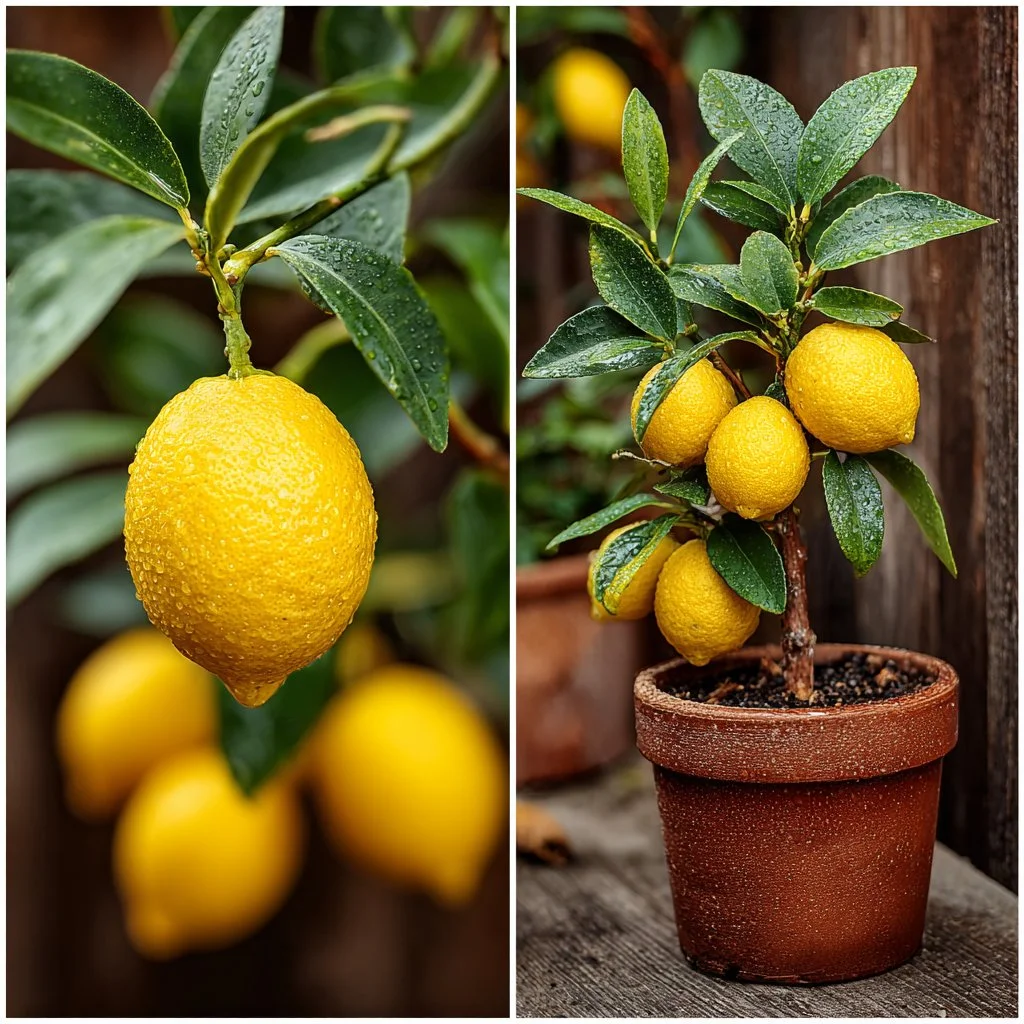
Have you ever smelled the invigorating scent of fresh lemons and thought about growing your own lemon tree at home? The idea of plucking a sun-ripened lemon from your very own tree is not only delightful but also quite rewarding. Embracing the challenge of nurturing a lemon tree can transform your space and provide you with a fantastic source of zest for your culinary adventures. In this article, you’ll discover 10 Proven Tips to Grow a Lemon Tree at Home Fast. These tips will guide you through the process, from selecting the right variety to nurturing your tree into a fruitful wonderland. Whether you’re a seasoned gardener or a beginner, there’s something here for everyone. Let’s dig in!
Table of Contents
Selecting the Right Lemon Tree Variety
When it comes to growing a lemon tree at home, your first step is selecting the right variety. There are several types to choose from, each with its unique characteristics. The most popular varieties include the Eureka and Meyer lemon trees. The Eureka tree produces large, juicy lemons year-round, while the Meyer lemon is a sweeter hybrid that’s smaller and more fragrant.
Consider your space and climate when making your choice. If growing indoors, a dwarf variety like the Improved Meyer lemon is perfect for small spaces and can thrive in pots. Have you noticed how some people brag about their Meyer lemons? They’re not just sweet; they’re a game-changer in the kitchen!
Understanding Lemon Tree Needs
Light Requirements
Lemon trees love sunlight! Aim for at least 8-12 hours of direct light each day. If your home doesn’t get enough natural light, consider using grow lights. Position your lemon tree by a south-facing window or a spot that gets plenty of sunshine.
Watering Essentials
Watering is critical in ensuring fast growth. Lemon trees require regular watering, but avoid overwatering; this can lead to root rot. A good rule of thumb is to let the top inch of soil dry out before watering again.
Help your tree flourish by checking the moisture levels in the soil. Use your finger to assess if the soil is dry or still damp. This hands-on approach can be quite rewarding!
Soil Preferences
The right soil can make all the difference. Lemon trees thrive in well-draining, sandy soil with a pH between 5.5 and 6.5. Consider mixing standard potting soil with sand or perlite to improve drainage. Your tree’s roots need to breathe, just like we do!
Creating an Optimal Growing Environment
Indoor Versus Outdoor Growing
Depending on where you live, you might be deciding whether to grow your lemon tree indoors or outdoors. If you live in a region with mild winters, outdoor growing is ideal; otherwise, indoor might be the way to go. Remember that indoor trees might require special attention to light and humidity.
Temperature Considerations
Lemon trees prefer warmer temperatures ranging from 70°F to 100°F. If temperatures dip below 50°F, your tree might struggle. If you’re in a colder climate, consider bringing your tree indoors during winter. This can be a bit of a dance, but the payoff is worth it. You’ll have fresh lemons even when there’s snow outside!
Fertilizing and Pruning Your Lemon Tree
Best Fertilizers for Lemon Trees
Fertilizing is key to rapid growth. Use a specialized citrus fertilizer every four to six weeks during the growing season. Look for fertilizers high in nitrogen, as this encourages the lush, green growth that makes your lemon tree look so vibrant.
Fertilizer will provide the necessary nutrients to keep your tree thriving. Have you ever noticed how much a good meal nourishes our motivation? The same goes for plants!
How to Prune for Growth
Pruning your lemon tree helps improve air circulation and light penetration. Prune in the spring to maintain a healthy shape and remove any dead or diseased branches. Use sharp, clean pruning shears to make clean cuts. It’s like giving your lemon tree a fresh haircut to keep it looking sharp!
Watching for Pests and Diseases
Even the healthiest lemon trees can fall victim to pests. Regularly inspect your tree for signs of pests like aphids, spider mites, and whiteflies. Use organic pesticides or neem oil to manage infestations. You must be vigilant; pests can be sneaky!
In addition to pests, watch for signs of diseases such as leaf spot or root rot. Ensuring proper drainage and air circulation can help lessen these risks. Have you ever found yourself surprised by how quickly a small issue can escalate? Pay close attention, and you can avert disaster.
Encouraging Growth and Blossoms
To prompt your lemon tree to produce blossoms, remember to maintain consistent watering and adequate sunlight. Lemon trees typically bloom in the spring, but a little patience may be needed. Once your tree produces its first flowers, you might feel a rush of pride! And remember: these flowers can turn into luscious lemons if conditions are right.
Harvesting Your Homegrown Lemons
Once your lemons start to form, you’ll want to keep an eye on them. Wait until they turn a vibrant yellow and feel firm to the touch. Gently twist or cut the fruit from the tree; it’s best to let the lemons ripen fully on the tree for optimal flavor. When you finally harvest those fresh lemons, it will feel like a sweet reward for all your hard work!
Conclusion
Embracing the journey of growing a lemon tree can be one of the most fulfilling experiences you’ve had. Remember the 10 Proven Tips to Grow a Lemon Tree at Home Fast to not only nurture a green companion but also enrich your kitchen with homegrown produce. With the right care, attention, and a little bit of patience, you’ll enjoy the delightful sight of your own lemon tree thriving and eventually bearing juicy lemons. Happy gardening!
FAQs
Can I grow a lemon tree indoors?
Absolutely! Dwarf lemon trees are perfect for indoor growth, provided they receive enough light and warmth.
How often should I water my lemon tree?
Water when the top inch of soil feels dry, typically once a week, but it may vary based on your home environment.
What are the signs of a healthy lemon tree?
Look for vibrant green leaves, active growth, and the presence of blossoms or fruit as indicators of a healthy tree.
Can I grow a lemon tree from seeds?
Yes, but growing from seeds can be unpredictable. It’s often more reliable to start with a young tree from a nursery.
What should I do if my lemon tree isn’t flowering?
Ensure it’s getting enough sunlight, consistent watering, and the right nutrients. Sometimes, patience is key!