
Introduction
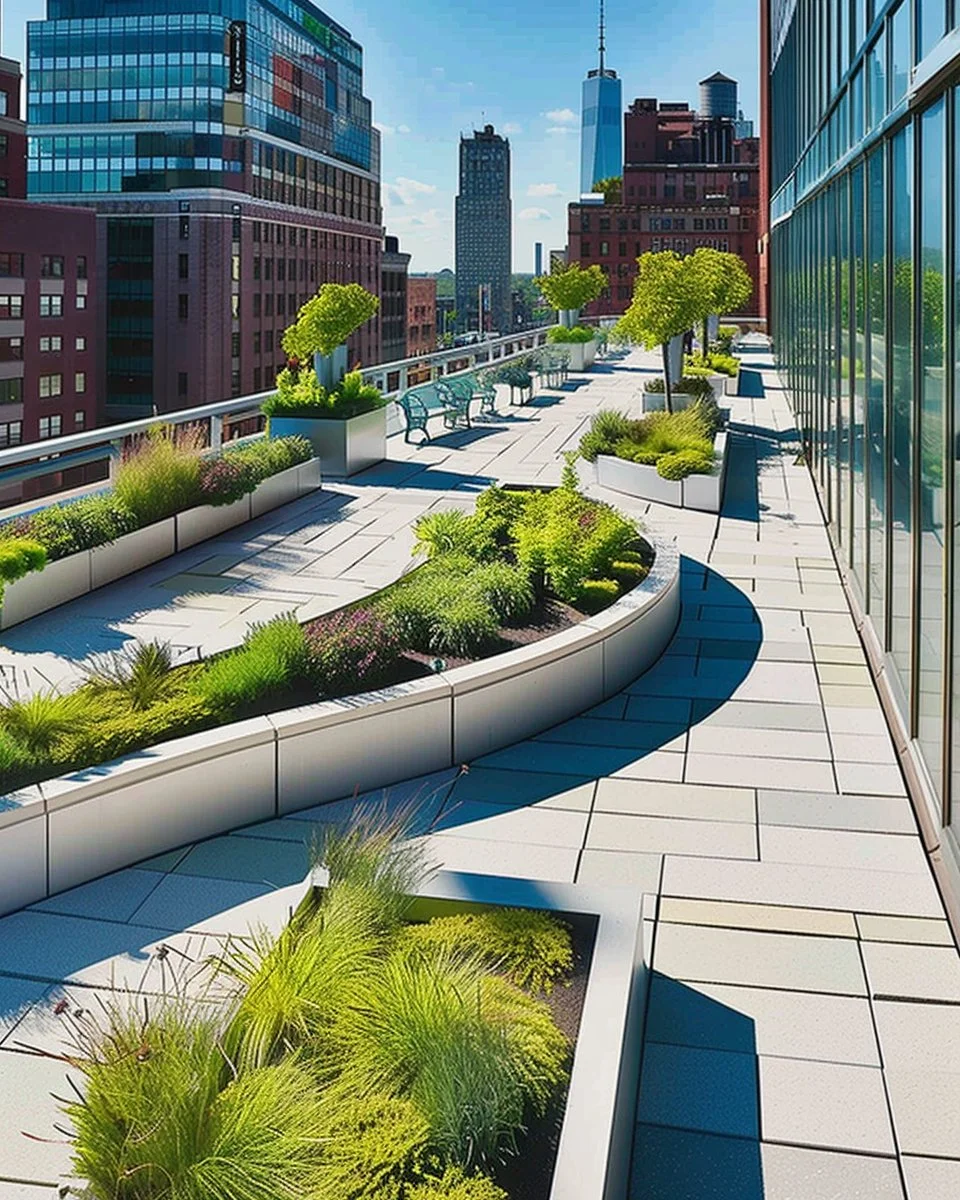
Have you ever looked at a towering skyscraper and wondered what it would be like if nature reclaimed some of that space? Imagine lush greenery sprouting from the tops of high-rises, transforming concrete jungles into vibrant gardens. This isn’t just a dream; it’s a reality made possible by Revolutionary Green Roofs for Skyscrapers | Urban Architecture. These innovative systems not only enhance aesthetic appeal but also provide immense benefits for urban environments and their inhabitants.
In this article, we’ll explore what revolutionary green roofs are, how they work, their fantastic benefits, and share practical tips on implementing them in urban architecture. Whether you’re an architect, city planner, or simply someone passionate about green living, you’ll find valuable insights and inspiration to consider as you envision your ideal urban environment.
Table of Contents
Benefits of Green Roofs for Skyscrapers
Environmental Advantages
Revolutionary green roofs play a crucial role in combatting urban heat islands. By covering rooftops with vegetation, they absorb sunlight and convert CO2 into oxygen, significantly improving air quality. Studies have shown that buildings with green roofs can reduce energy consumption, particularly for cooling during the summer months. Have you noticed how much cooler it feels under a tree? Imagine multiple layers of plants absorbing heat and purifying air right atop a skyscraper!
Economic Benefits
Investing in green roofs may seem costly initially, but they yield significant long-term savings. For instance, studies suggest that buildings with green roofs can experience lower energy costs, thanks to improved insulation. Moreover, they can increase property values—green buildings are highly coveted in urban settings. Businesses may also attract more customers simply due to their eco-friendly practices.
Aesthetic Improvements
A city adorned with greenery is undeniably more beautiful. Revolutionary green roofs provide breathtaking views not just for those who work within skyscrapers but also for passersby. Community rooftops can act as social spaces—think gardens, cafés, or urban farms, further enriching the city’s landscape. Everyone loves a stunning view, right?
Designing Revolutionary Green Roofs
Choosing the Right System
When considering revolutionary green roofs, understanding the types available is essential. Extensive systems are lighter and often easier to install, making them ideal for retrofits. Intensive systems, while heavier, allow for a broader range of plant species and are more adaptable for recreational use. Assess your building’s structure and decide which type fits best.
Plant Selection Considerations
Selecting the right plants is pivotal. It’s not just about aesthetics; the plants must be hardy enough to thrive in the rooftop environment. Native species are often recommended since they already adapt well to local climate conditions. Factors like sunlight exposure, wind resistance, and rainfall also influence your choices. Have you ever seen sedum growing in the most unassuming places? These resilient plants are fantastic for green roofs!
Structural Requirements
Before plunging into your project, evaluate your building’s structure. Key factors include the roof’s weight capacity and drainage system. It’s wise to consult with a structural engineer to ensure that your roof can support the additional load. Getting this right is essential for safety and longevity.
Maintenance and Care for Green Roofs
Regular Maintenance Tasks
Like any garden, green roofs require attention. Regular tasks include checking for weeds, ensuring proper drainage, and monitoring the health of plants. Depending on your climate, you may also need to consider irrigation systems for those dry months.
Seasonal Care Tips
Every season brings its own challenges. In the spring, it’s crucial to inspect plants that may have suffered from winter damage. Summer calls for increased watering, while fall is the perfect time for planting new perennials. Winter maintenance may include snow removal to prevent excess weight. Just imagine enjoying cocoa on a snowy rooftop while ensuring your garden survives!
Troubleshooting Common Issues
Every garden faces challenges. Be on the lookout for issues like overwatering, pests, or plant diseases. An open line of communication with local gardening experts can be a lifesaver when you encounter unexpected problems.
Case Studies: Successful Implementation
Iconic Green Roof Skyscrapers
Several cities have become exemplars of revolutionary green roofs. For instance, the Bosco Verticale in Milan features two residential towers adorned with over 9,000 trees, effectively acting as a vertical forest. Such projects inspire architects around the globe. Locations like Chicago and New York City are also spearheading green roof initiatives, showcasing successful strategies and designs.
Lessons Learned from Each Project
Every successful green roof project carries valuable lessons. Understanding the challenges faced and the triumphs celebrated by these buildings can guide future developments. For example, some experiments with certain plant species may reveal their unsuitability, informing future choices for skylines everywhere.
Future Trends in Urban Green Architecture
As cities continue to expand, interest in incorporating greenery into urban landscapes grows. Future trends include integrating technology into green roofing systems, such as automated irrigation and smart sensors to monitor plant health. Architects are also exploring vertical gardens that further marry urban space with nature. Wouldn’t you love a technology-enhanced garden on the roof?
Getting Involved in Green Architecture Initiatives
Communities up and down the country are engaging in green architecture initiatives. You can participate in local programs or volunteer for community gardens. You might even team up with local organizations to promote green technology adoption in your area. Together, the potential is vast!
Conclusion
Revolutionary green roofs for skyscrapers are more than aesthetic additions; they’re multifunctional solutions addressing environmental, economic, and social challenges in urban settings. From promoting biodiversity to improving mental health, these green spaces enhance city living in remarkable ways. Whether you’re just beginning to explore the idea or are ready to embark on your green roof journey, remember that every little change makes a big impact. So, why not greenify your space today?
FAQs
What is a green roof?
A green roof is a building feature that incorporates vegetation and growing media on rooftops, enhancing building insulation and reducing urban heat.
Are green roofs expensive to maintain?
While there are maintenance costs involved, many find that the benefits, such as lower energy bills and increased property value, outweigh these costs.
What plants are best for green roofs?
Native, drought-resistant plants are often ideal candidates as they require less maintenance and are better adapted to local conditions.
Can any building have a green roof?
Most structures can accommodate green roofs, but it’s essential to assess the building’s design and structural support before proceeding.
How can I support green roofing initiatives in my community?
Consider volunteering for local green projects, supporting organizations focused on sustainability, or even starting a conversation about green roofs with local officials.