
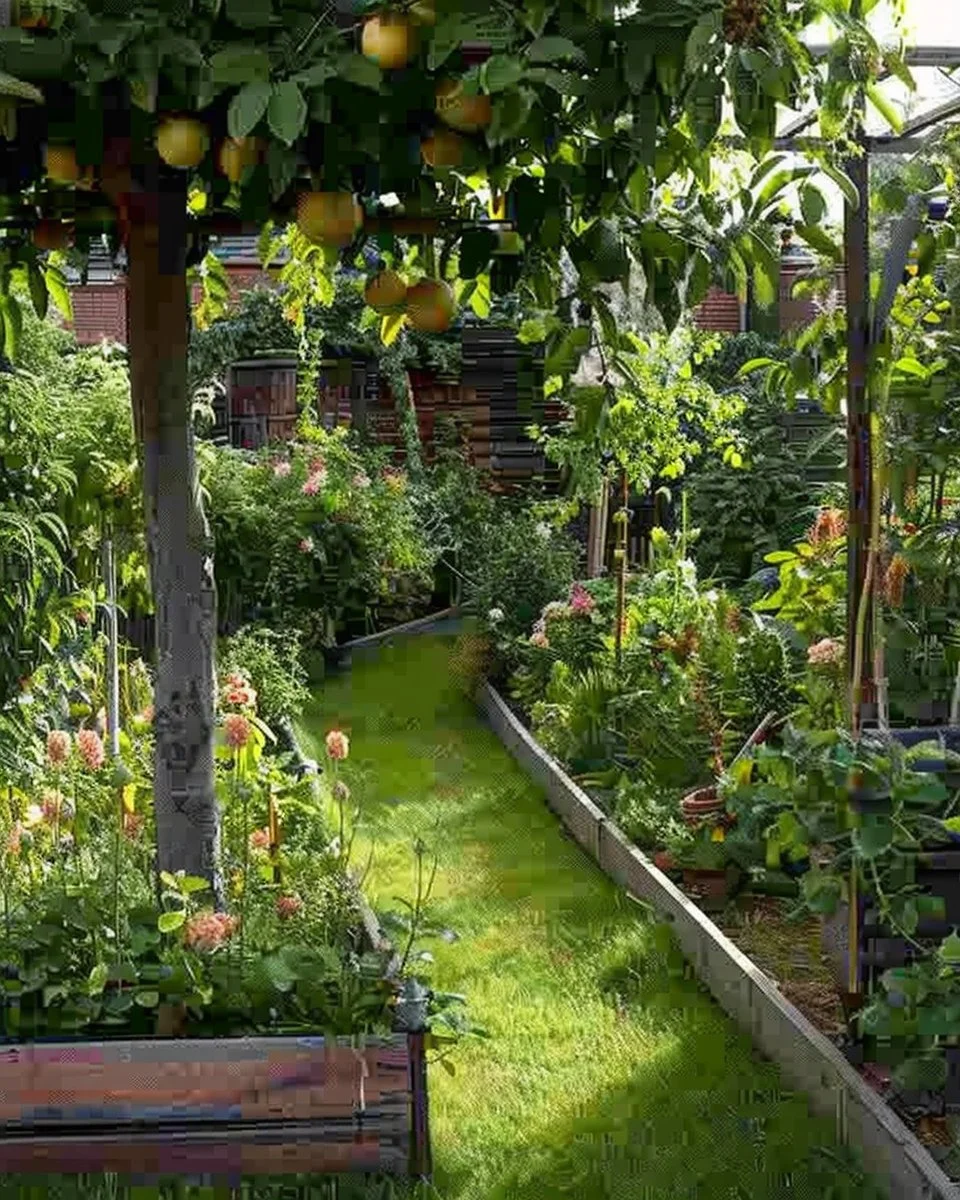
Have you ever walked through a lush, vibrant garden and thought about how wonderful it would be to grow your own food? Picture this: a thriving landscape bursting with fruit trees, veggies, herbs, and flowers harmonizing in a sustainable ecosystem. This can be your reality! With the right approach, you can create a beautiful food forest that not only supports biodiversity but also provides fresh produce year-round. In this post, I’ll share 18 Game-Changing Food Forest Ideas for a Thriving Garden, guiding you on how to turn your gardening dreams into a bountiful reality.
Table of Contents
Designing Your Food Forest
When setting out to create your food forest, the first step is designing it thoughtfully. This isn’t just about planting; it’s about creating a self-sustaining ecosystem that can thrive over time.
Choosing the Right Location
Select a sunny spot in your yard, ideally with some shelter from strong winds. The best food forests get at least six hours of sunlight a day. Remember to look out for trees or buildings that might cast shadows, limiting your plants’ sun exposure.
Organizing Plant Layers
A classic food forest is composed of layers, each serving a specific purpose. Start with tall trees as your canopy, then add smaller trees and shrubs underneath. Below that, incorporate herbaceous plants, and at the ground level, use ground covers. Think of it as a vertical garden that maximizes space and promotes growth.
Preparing the Soil
Quality soil is essential, so test yours for nutrients and pH. Most plants thrive in well-draining soil rich in organic matter. Amend your soil with compost, well-rotted manure, or cover crops to create a rich foundation for your food forest. Have you considered the benefits of lasagna gardening? Layering materials creates a nutrient-packed environment while improving soil structure.
Selecting Plants for Your Food Forest
The heart of your food forest lies in its plants. Choosing the right mix of flora can mean the difference between a mediocre harvest and a bounty.
Companion Planting Principles
Companion planting is the practice of growing different plants together for mutual benefit. For instance, tomatoes thrive alongside basil, enhancing each other’s flavors. This strategy not only maximizes your space but also creates a natural pest deterrent.
Fruit and Nut Trees
Begin by selecting your main crops: fruit and nut trees. Consider varieties like apple, pear, and hazelnut, which offer substantial yields and are relatively low-maintenance. When planning their placement, think about their mature size and spread.
Perennials and Annuals
Incorporate a varied mix of perennials, such as rhubarb and asparagus, alongside annuals like tomatoes and cucumbers. This diversity ensures your food forest is productive throughout the growing season while reducing the risk of crop failure.
Innovative Techniques for Success
To cultivate a genuinely thriving garden, consider integrating various techniques that promote sustainability and efficiency.
Polyculture Benefits
Planting multiple species together enhances biodiversity and resilience. Distinct plants can support each other’s growth while reducing the likelihood of disease and pest issues. A well-planned polyculture garden can lead to less reliance on chemical interventions, creating a healthier ecosystem.
Natural Pest Management
Instead of reaching for chemical pesticides, implement natural pest management. Cultivate beneficial insects by planting flowers like marigolds and dill, which attract pollinators while deterring harmful pests. This approach promotes overall garden health.
Water Conservation Strategies
Water-efficient practices are crucial in maintaining a food forest. Consider installing swales—shallow trenches that direct water to your plants. Drip irrigation can also reduce water waste while ensuring your plants receive adequate moisture.
Maintenance Tips for a Thriving Environment
An established food forest requires regular maintenance, but with the right strategies, it can be less labor-intensive than traditional gardens.
Seasonal Tasks
Stay on top of tasks like mulching and regular weeding to promote plant health. Seasonal activities such as pruning will help maintain plant health, allowing for improved air circulation and sun exposure.
Mulching and Composting
Using organic mulch not only conserves moisture but also improves soil fertility as it breaks down. Composting kitchen scraps and garden waste is a fantastic method to recycle nutrients back into your food forest.
Pruning Best Practices
Learning to prune correctly can boost your plant’s productivity and promote healthy growth. Make cuts during the dormant season to prepare for new growth in spring. A well-pruned plant allows for better light penetration, improving overall yield.
Creating a Wildlife-Friendly Space
Encouraging wildlife into your food forest can create a balanced ecosystem.
Attracting Pollinators
Plant a variety of flowering plants to attract bees, butterflies, and other pollinators. A vibrant ecosystem depends on these creatures as they play a vital role in pollinating your plants.
Encouraging Beneficial Insects
Consider creating homes for beneficial insects by incorporating insect hotels or leaving some areas of your yard wild. Ladybugs and lacewings will help keep pests in check, creating a balanced environment.
Community Involvement and Education
Sharing your food forest can foster community ties and promote sustainability.
Sharing Your Harvest
Hosting a harvest party is a wonderful way to connect with neighbors. Encourage others to bring dishes made from their own gardens, promoting a sense of community and healthy eating.
Workshops and Learning Opportunities
Consider organizing workshops on food forest gardening. Share your knowledge with others who are eager to learn. These gatherings can lead to collective gardening efforts, enhancing the joy of growing together.
Conclusion
Creating a food forest is an incredible journey that brings together sustainability, biodiversity, and delicious homegrown food. By implementing these 18 Game-Changing Food Forest Ideas for a Thriving Garden, you can cultivate a beautiful oasis that nourishes you and your community. Remember, gardening is not just about growing food; it’s about creating a legacy and nurturing the environment for future generations. So dig in and start planting your food forest today!
FAQs
What is a food forest?
A food forest is a self-sustaining ecosystem made up of food-producing plants, designed to mimic the structure of a natural forest.
How do I choose plants for my food forest?
Select a mix of trees, shrubs, perennials, and annuals, focusing on companion planting for optimal growth and pest management.
Can I create a food forest in a small space?
Absolutely! You can adapt food forest principles to small gardens or even container plantings. Vertical gardening can maximize your space efficiently.
What maintenance does a food forest require?
Regular tasks include mulching, weeding, seasonal pruning, and monitoring for pests, but the ultimate goal is to create a self-sustaining system that requires minimal intervention over time.
How long does it take for a food forest to become productive?
Typically, it takes a few years for a food forest to establish itself, with perennials taking the longest to produce. However, annual crops can provide quicker yields in the meantime.