
Introduction
Have you ever walked into a home and immediately felt a wave of calm wash over you? That’s often the magic of indoor plants, and among them, dwarf palms stand out for their ability to bring a touch of the tropics indoors. Their lush, fan-shaped leaves not only enhance your décor but also improve air quality, making them an excellent addition to any living space. In this article, we’ll explore the 12 Best Dwarf Palms for Homes. You’ll discover the ideal varieties for your interior, care tips, and how to style them to make your home feel like a serene oasis.
Table of Contents
Choosing the Right Dwarf Palms
When selecting dwarf palms for your home, it’s essential to consider several factors that align with your environment and preferences. Understanding these elements will help you choose the best options for your space.
Light Requirements
Different dwarf palms have varying light needs. For instance, the Parlor Palm thrives in low light, making it perfect for dimly lit rooms. On the other hand, Areca Palms prefer bright, indirect light. Consider the lighting conditions in your home before making a selection.
Space Considerations
Dwarf palms can still take up significant space, depending on their growth habit. If you have limited room, look for varieties like the Pygmy Date Palm, which tends to stay smaller and can be placed on a stand or shelf for a beautiful elevation.
Aesthetic Preferences
Are you going for a sleek and modern look or a more tropical vibe? The fluffy fronds of the Bamboo Palm give a lush feel, while the more structured leaves of the Kentia Palm contribute to a contemporary aesthetic. Visualize how each plant fits into your overall design before choosing.
The Top Dwarf Palms
Let’s delve into the specifics of some of the best dwarf palms you can bring into your home. Each offers unique features that can enhance your indoor garden.
Areca Palm
The Areca Palm is often referred to as the butterfly palm because of its feathery and arching fronds that attract the eye. This particular variety can grow up to 6-7 feet tall, but it remains relatively narrow, making it excellent for small spaces. It thrives in bright, indirect sunlight and can grow in potting soils rich in organic matter.
Parlor Palm
If you want low maintenance, the Parlor Palm is your best friend. This palm is perfect for those new to plant care and is known for its resilience. It can tolerate low light and only requires occasional watering. With its delicate stems and rich green fronds, it adds elegance to any corner.
Pygmy Date Palm
Coming in at a tidy 3 to 5 feet, the Pygmy Date Palm is a favorite for indoor spaces. It’s drought tolerant and can handle varying light conditions. Plus, its cute clusters of dates add character, though they may need to be removed if you prefer a cleaner look.
Kentia Palm
Known for its ability to adapt to various indoor conditions, the Kentia Palm can grow up to 10 feet, although it typically remains smaller indoors. Its tall slender trunk and graceful arching fronds make it a dramatic addition to entryways or living rooms.
Bamboo Palm
If you’re looking for a bit of a tropical feel, the Bamboo Palm is a great choice. This palm is effective at purifying indoor air, making it both beautiful and beneficial. It looks absolutely lovely grouped with other indoor plants due to its height and bushiness.
Chinese Fan Palm
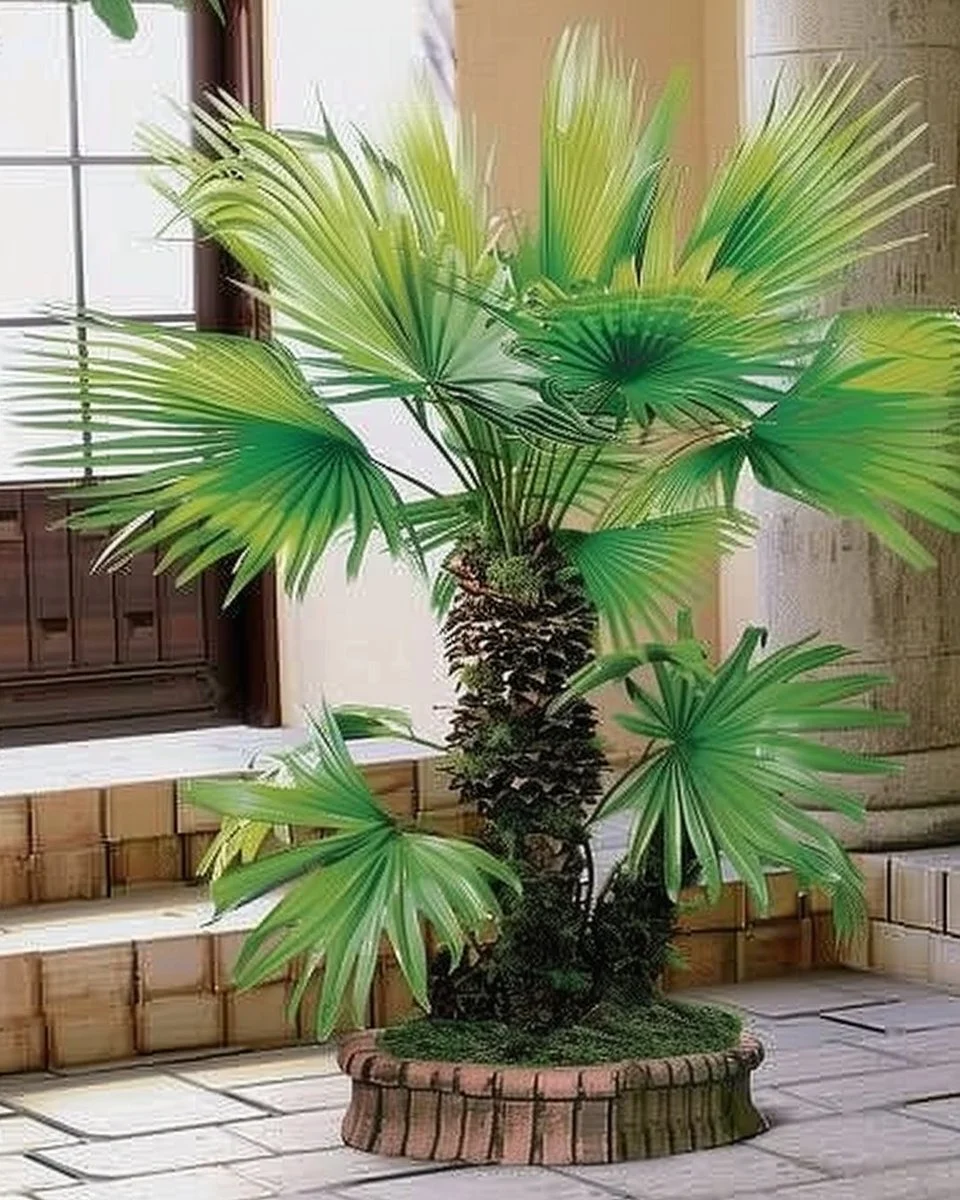
With its distinctive fan-shaped leaves, the Chinese Fan Palm is a conversation starter. It does well indoors but prefers a little more light. This palm can reach about 4-6 feet high, making it a striking focal point in a room.
Caring for Dwarf Palms
Caring for your dwarf palms doesn’t have to be complicated. Let’s break down essential care habits that will keep them thriving.
Watering
Most dwarf palms prefer moderate watering. A good rule of thumb is to allow the top inch of soil to dry out before watering again. Always ensure that your pots have drainage holes to prevent root rot.
Fertilizing
Light fertilization goes a long way with palms. Use a balanced, slow-release fertilizer every couple of months during the growing season (spring and summer). It will help maintain vibrant green leaves and healthy growth.
Pruning and Repotting
Regularly check for dead or yellowing fronds and prune as necessary. Repot every 2-3 years or when you see roots emerging from the bottom of the pot, which indicates that your palm has outgrown its current home.
Styling Your Dwarf Palms
Here’s where you can get creative! Dwarf palms can enhance various spaces in your home.
Best Placement Around the Home
Consider placing palms near windows or in bright rooms, but avoid direct sunlight, which can scorch their leaves. Pair them with your furniture to create comfortable, inviting nooks. For instance, an Areca Palm can soften a stark corner in a living room, while a Kentia Palm looks beautiful in an entryway.
Pairing with Other Plants
Dwarf palms can be impressive when grouped with other plants. Combine them with ferns or snake plants for a textured display. Just make sure to match the light and water needs of all the plants you choose.
Common Pests and Problems
Like any plant, dwarf palms can attract pests. Keep an eye out for spider mites and mealybugs. Regularly checking your plants and gently wiping the leaves with a damp cloth can go a long way in pest prevention. If problems do arise, consider using insecticidal soap for effective treatment.
Conclusion
Incorporating dwarf palms into your home can transform your space into a serene retreat filled with life and freshness. The 12 Best Dwarf Palms for Homes we explored offer a variety of textures, shapes, and advantages, allowing you to find the perfect match for your unique space. Consider their individual needs and your home environment, and with a little care, these palms will thrive, inviting nature into your everyday life.
FAQs
What is the easiest dwarf palm to care for?
The Parlor Palm is widely considered the easiest, as it thrives in low light and requires minimal care.
How often should I water my dwarf palms?
Water typically every 1-2 weeks, allowing the top inch of soil to dry out between watering sessions.
Can dwarf palms tolerate low light?
Yes, varieties like the Parlor Palm and Bamboo Palm can thrive in lower light conditions, making them great for less sunny spaces.
Do dwarf palms need to be repotted?
Yes, repot your dwarf palms every 2-3 years or when they outgrow their pots for optimal growth.
What should I do if my dwarf palm’s leaves are turning yellow?
Yellowing leaves can indicate overwatering, pests, or nutrient deficiencies. Check your watering schedule and inspect the plant for pests.
By following the guidance in this article, you’ll set yourself on a path to a vibrant indoor garden filled with beautiful dwarf palms!