
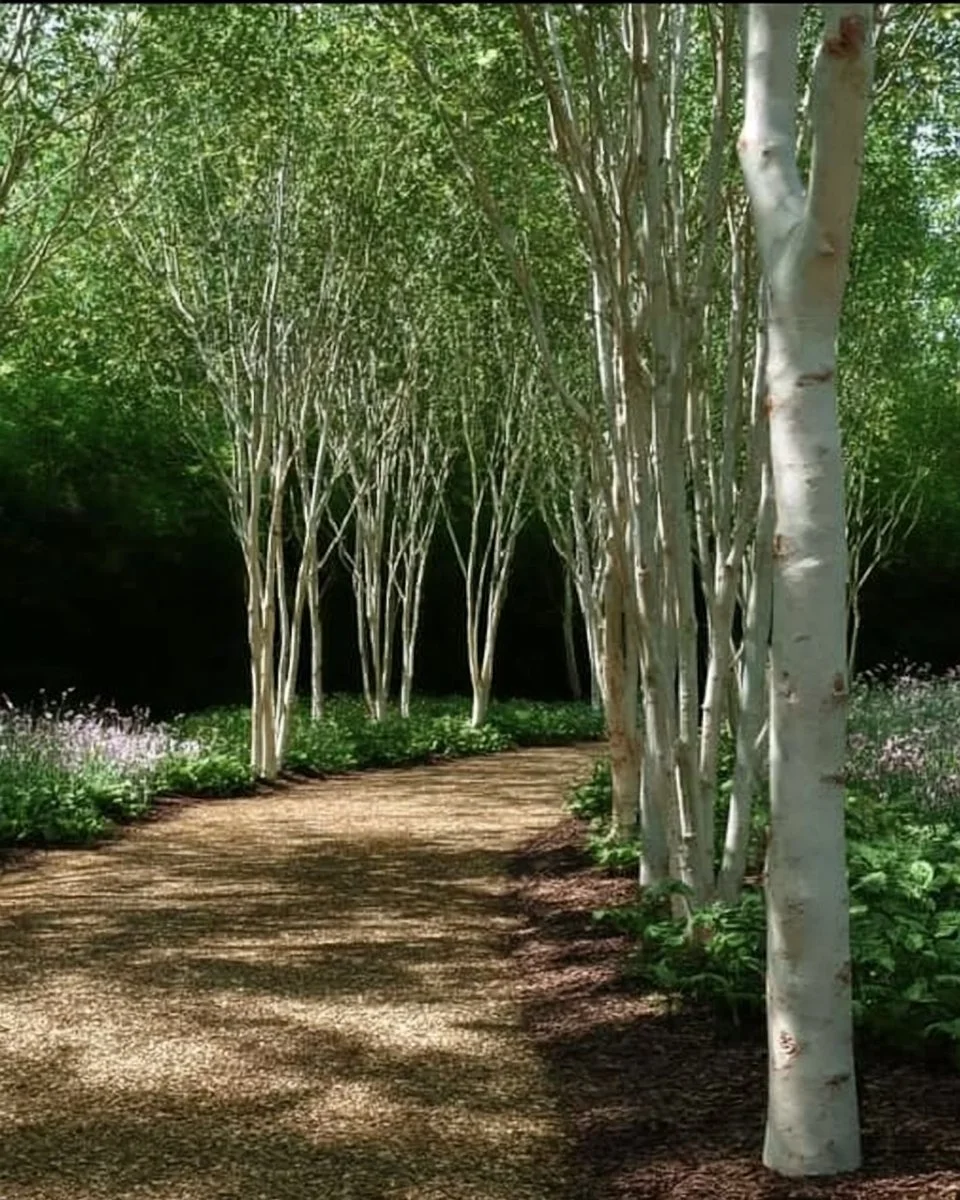
When it comes to landscaping, choosing the right trees can transform your outdoor space from ordinary to extraordinary. Dwarf birch trees, with their unique characteristics and beauty, are becoming increasingly popular among homeowners and landscapers alike. If you’ve ever strolled through a garden and noticed the stunning contrast of white bark against lush green leaves, you might have been admiring a birch tree. They’re perfect for small yards or as focal points in larger gardens. Today, we’ll discover why 7 Dwarf Birch Trees That Are Perfect For Landscaping are not only practical but also visually appealing. You’ll learn about their features, ideal growing conditions, and how to incorporate them into your landscape for a charming touch.
Table of Contents
Features of Dwarf Birch Trees
Unique Characteristics
Dwarf birch trees stand out for several reasons. Typically smaller than their full-sized counterparts, they can reach heights of only 4 to 20 feet, making them a suitable option for residential landscapes. Their slender forms and attractive bark allow them to serve as striking focal points or to create privacy screens without overwhelming the available space. The white, peeling bark of species like the Paper Birch adds a beautiful texture to your landscape, especially during the winter months.
Benefits for Landscaping
Incorporating dwarf birch trees into your landscape design means more than just good looks. They have the added benefit of supporting local wildlife, providing food and shelter for birds and insects. Additionally, the roots help prevent soil erosion, and their natural beauty can enhance the overall aesthetic of your property. Have you ever found yourself drawn to a particular plant that just made you smile? These trees often evoke that feeling, breathing life and character into your garden.
Top 7 Dwarf Birch Trees
Paper Birch
One of the most recognized birch species, the Paper Birch, is beloved for its striking white bark and delicate leaves. This dwarf version reaches about 15 feet tall and thrives in well-drained soil. Its shimmering leaves turn golden in the fall, adding a pop of color before winter.
River Birch
The River Birch is notorious for its resilience, tolerating both wet and dry conditions. Reaching about 20 feet in height, it’s perfect for planting near water features. Its attractive bark peels away in layers, revealing beautiful shades of cinnamon underneath. These trees are known for their adaptability and provide excellent shade, making them ideal for patios or seating areas.
Himalayan Birch
If you’re looking for elegance, the Himalayan Birch is your go-to. This graceful tree can grow up to 25 feet tall, but dwarf varieties are more compact. Its white bark is a stunning contrast against the green foliage and turns an exquisite golden-orange in the fall. They thrive in acidic soils, making them perfect for woodland gardens.
Dwarf White Birch
Standing at around 8 feet tall, the Dwarf White Birch is compact and perfect for smaller gardens. Its charming size and lovely white bark make it a favorite among gardeners who want to create a cozy atmosphere. This species prefers well-drained soils and can handle partial shade, providing versatility in placement.
Ghost Birch
The Ghost Birch is another striking option, known for its pale, ghostly white bark that stands out against dark foliage. It reaches a maximum height of just 10-12 feet, making it ideal for tight spaces. This tree does well in sandy or loamy soils and can add dramatic flair to any landscape design.
Cutleaf Birch
With finely cut leaves that flutter in the slightest breeze, the Cutleaf Birch brings a whimsical touch to the garden. It grows slowly to about 12-15 feet tall, making it an excellent choice for mixed-border planting. The soft, delicate appearance of its foliage can create a soothing backdrop for other plants.
Graceful Birch
True to its name, the Graceful Birch creates a lovely focal point in any landscape. Growing 15-20 feet tall, it offers beautiful serrated leaves that shift from green to yellow in the fall. Its high tolerance for varying soil types makes it easy to care for, and it works wonderfully in both formal and informal settings.
Caring for Dwarf Birch Trees
Soil and Water Requirements
Dwarf birch trees generally thrive in well-drained, loamy soils that are slightly acidic. It’s important to avoid overly compacted or heavy clay soils, as these can retain too much moisture. Regular watering, especially in the first couple of years after planting, helps establish a strong root system. Once established, these trees can handle moderate drought but will flourish with consistent moisture. A good rule of thumb is to water deeply about once a week during dry spells.
Pruning and Maintenance
Pruning your dwarf birch tree is essential for maintaining its shape and health. Aim for a light prune in winter or early spring before new growth begins. Remove any dead, damaged, or crossing branches to encourage good airflow and sunlight penetration. Regular maintenance and mulching around the base can help keep weeds at bay and retain soil moisture.
Creative Landscaping Ideas
Pairing with Other Plants
Dwarf birch trees make excellent companions for various plants due to their adaptable nature. Consider pairing them with vibrant perennials like hostas, ferns, or daylilies for a lush understory. Evergreen shrubs can also complement the birches’ seasonal changes, providing year-round interest to your garden.
Designing with Dwarf Birches
Thinking about how to design your landscape with dwarf birch trees? One idea is to create a stand of multiple birches to develop a natural privacy screen. Their striking white bark creates a stunning contrast with darker foliage. Another idea is to place them near a patio or garden bench to provide a serene spot where you can enjoy your garden. The gentle rustling of the leaves in the breeze adds a peaceful ambiance that can be delightful after a long day.
Conclusion
Incorporating 7 Dwarf Birch Trees That Are Perfect For Landscaping can create a beautiful, serene outdoor space that showcases nature’s artistry. Their unique aesthetic and environmental benefits make them an excellent option for various landscaping projects. Whether you’re looking to fill a tight space, enhance your garden’s beauty, or support local wildlife, dwarf birch trees are sure to elevate your landscaping game. So, why not consider adding one (or more) to your garden? Embrace the charm they bring and watch your landscaping dreams take root!
FAQs
What are the best soil conditions for dwarf birch trees?
Dwarf birch trees thrive in well-drained, loamy soils that are slightly acidic.
How much sunlight do dwarf birch trees need?
These trees can tolerate partial shade but prefer full sun for optimal growth.
Are dwarf birch trees deer resistant?
While not completely deer-proof, dwarf birches are less preferred by deer compared to other flowering plants.
How fast do dwarf birch trees grow?
Growth rates can vary by species, but many dwarf birch trees can grow between 6 to 12 inches a year under ideal conditions.
Can dwarf birch trees survive in drought conditions?
Once established, dwarf birch trees can handle moderate drought, but they will thrive with consistent moisture.