
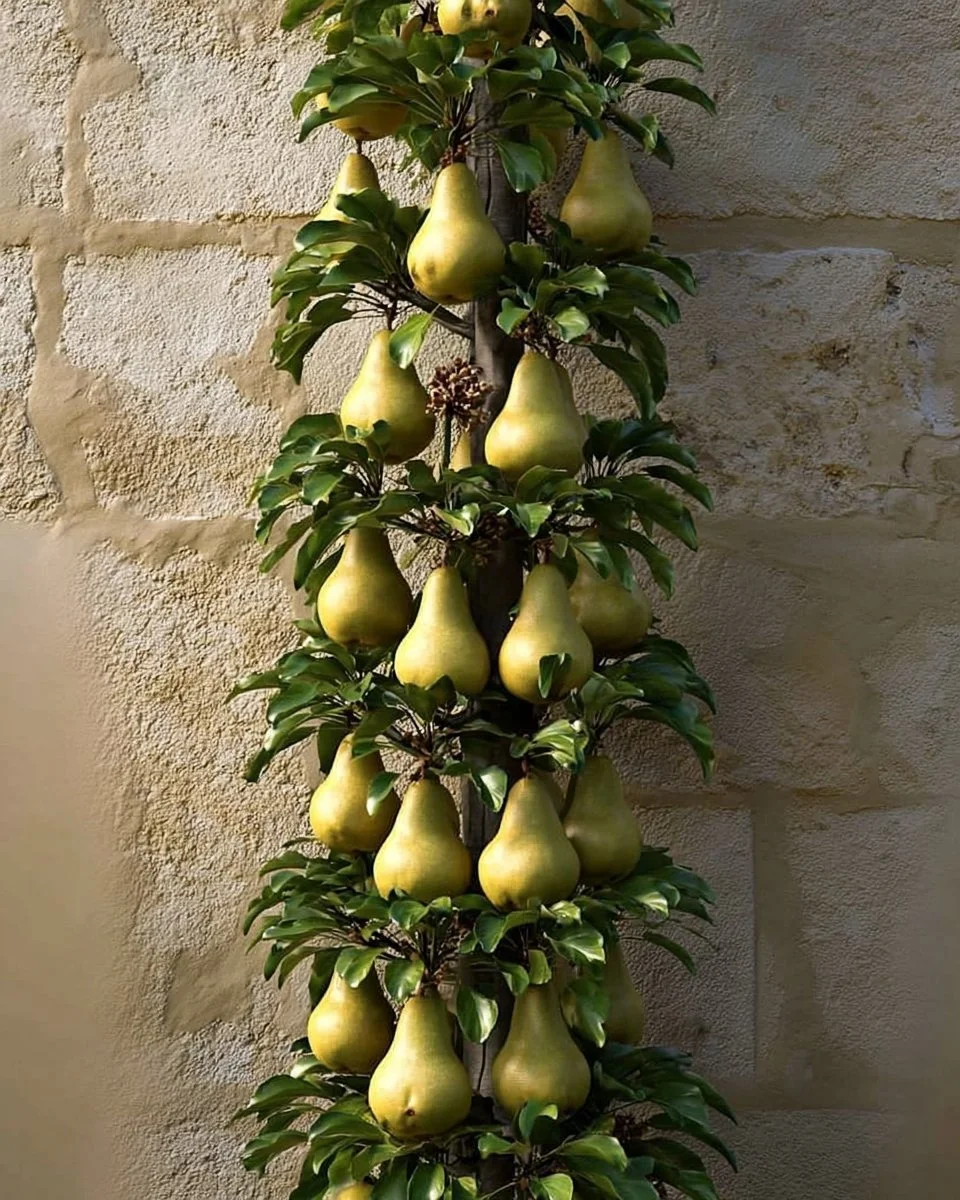
Have you ever wished you could grow your own fruit but felt limited by space? Many of us live in urban environments where lush gardens feel like a distant dream. However, there’s a delightful solution that allows you to cultivate fruit right in your backyard, patio, or even your balcony—Espalier fruit trees! These fascinating trees not only save space but also create beautiful and functional vertical gardens. In this article, we’ll explore Espalier Fruit Trees: Space-Saving Ways to Grow Fruit Anywhere, including what they are, how to train them, and the best fruits to grow. By the end, you’ll have the knowledge to start your very own picturesque fruit garden, regardless of your space constraints.
Table of Contents
What Are Espalier Fruit Trees?
Espalier fruit trees are trained to grow flat against a wall, fence, or trellis, creating a stunning visual impact while remaining compact. The technique dates back centuries and offers a unique way of growing fruits while maximizing limited space. This method involves cutting, pruning, and tying branches to encourage growth in a controlled manner. Imagine plucking fresh apples or pears from a beautifully arranged lattice of greenery right outside your kitchen window—it’s a gardener’s dream come true!
Benefits of Espalier Fruit Trees
Space Efficiency
One of the most significant advantages of espalier fruit trees is their ability to thrive in small areas. By growing them against walls or fences, you free up valuable ground space for other plants or activities. This can be particularly beneficial for urban gardeners with limited plots or those who wish to beautify a patio or balcony without taking up too much room.
Aesthetic Appeal
Espalier trees not only serve a purpose but also add beauty and structure to your garden space. They can be trained into various shapes and designs, transforming a simple wall or fence into a piece of living art. Whether you prefer a simple grid pattern or a more intricate curvy design, the options are endless. The result is a stunning and functional centerpiece for your outdoor space.
Easier Maintenance
Because espalier trees are often easier to reach and care for than standard trees, maintenance like pruning and harvesting can be a breeze. Accessing fruit on an espalier is much easier than climbing or stretching to reach the ends of a traditional tree. This accessibility makes it particularly user-friendly for families with children or those with mobility challenges. Have you ever spent time trying to untangle branches just to check for ripe fruit? Espalier trees can eliminate that hassle!
Choosing the Right Fruit for Espalier
Apples
When it comes to apples, many varieties work beautifully in an espalier form. Varieties such as ‘Espalier Granny Smith’ or ‘Honeycrisp’ can thrive and deliver bountiful harvests. Their hardiness and ability to adapt to various climates make them excellent choices for beginners.
Pears
Pears are another fantastic option—’Bartlett’ and ‘Bosc’ varieties lend themselves well to espalier training while providing sweet, juicy fruit. The robust branches of pear trees also lend themselves to heavy fruit loads, making them a rewarding choice for gardeners.
Figs
Figs are particularly suited to warmer climates and can add an exotic flair to your space. The lush leaves and unique fruits offer aesthetic beauty in addition to delicious harvests. Some varieties, like ‘Brown Turkey,’ work excellently in an espalier system, creating a wonderful array of figs to enjoy.
How to Train and Maintain Espalier Trees
Initial Planting
The first step in growing an espalier tree is choosing the right location and preparing the soil. Ideally, select a sunny spot with well-draining soil. Plant your tree about 2-3 feet from the wall or support structure, allowing room for air circulation. As you plant, consider adding compost to enrich the soil and promote healthy growth.
Training Techniques
Once you’ve established your tree, the real fun begins! Training involves pruning and tying branches to guide their direction. Start by selecting a few main branches (often called leaders) and tie them to your support structure. Be gentle during this process to avoid damaging the wood, and consider using soft ties like garden twine to avoid cutting into the bark. Consistency is key here—everything you do in the first few years will set the groundwork for how beautifully your tree will flourish.
Regular Care
An espalier tree requires regular care, including watering, fertilizing, and pruning. During the growing season, ensure the tree receives plenty of moisture, especially during dry spells. Fertilizing in early spring supports growth, while periodic pruning ensures that branches don’t get overly crowded and that sunlight can reach all parts of the tree.
Common Mistakes to Avoid
When embarking on your espalier journey, it’s easy to trip up over common mistakes. One error is over-pruning, which can lead to weak growth and diminished fruit production. Always make careful cuts and leave enough leaf cover for the tree to photosynthesize effectively. Another common mistake is neglecting to secure branches properly, leading to misalignment and an untidy appearance. Keep a routine to check on your trees regularly, ensuring they’re growing in the desired direction and shape.
Creative Ideas for Espalier Designs
Why stop at traditional grid shapes when your imagination can run wild? Consider creating a fan shape, allowing for a more dynamic display, or explore an angled design that can create visual interest. Incorporate other plants or herbs at the base for an even more lush look. The unique combination of textures and colors can elevate your garden’s vibe. You might even choose to mix and match types of trees for a more diverse garden; think of the possibilities!
Conclusion
Espalier fruit trees truly embody the essence of creativity and practicality in gardening. With the myriad of shapes and fruits available, they empower anyone to grow tasty produce in even the smallest spaces. So whether you’re looking to spruce up your backyard or transform a balcony into a fruitful oasis, Espalier Fruit Trees: Space-Saving Ways to Grow Fruit Anywhere will allow you to achieve that dream. Start your journey today, and soon enough, you will enjoy the satisfaction of harvesting your own homegrown fruits right in your own slice of paradise.
FAQs
Q: How long does it take for an espalier tree to bear fruit?
A: Generally, you can expect your espalier trees to start producing fruit within 3-5 years after planting, depending on the type of tree and care provided.
Q: Can I espalier any type of tree?
A: While many types of fruit trees can be espaliered, apples, pears, and figs are particularly well-suited for this method. Avoid trees with naturally sprawling habits.
Q: What type of support do I need for espalier trees?
A: A sturdy wall, trellis, or fence that can handle the weight of the tree as it matures works best. Ensure that whatever you use can support the branches and withstand weather conditions.
Q: Where should I plant my espalier trees?
A: Look for a sunny and sheltered spot that offers protection from harsh winds. Areas against walls can provide warmth and support for growth.
Q: How often should I prune my espalier trees?
A: Pruning should occur annually, usually in late winter or early spring, before the tree begins to bud. Regular trimming helps maintain shape and remove any dead or crossing branches.