
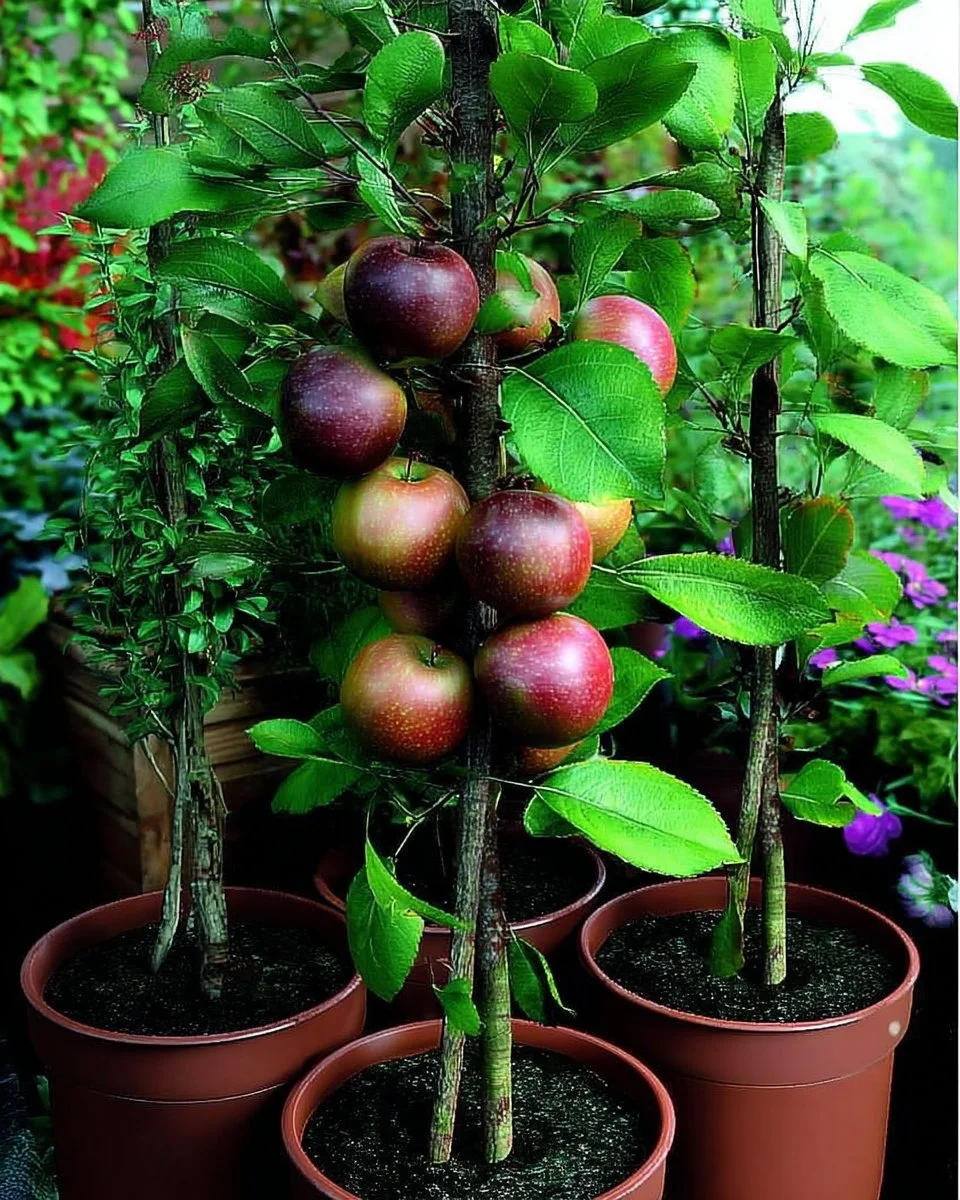
Imagine stepping into your small garden and being greeted by the sweet scent of ripening fruit, beckoning you to harvest. In tight spaces, choosing the right plants can create a charming oasis. If you’ve ever wondered how to transform your cozy yard into a fruitful paradise, you’re in the right place. In this guide, we’ll explore The best fruit trees for small gardens, highlighting varieties that thrive in limited spaces without compromising on yield or flavor. You’ll discover practical tips on selection, care, and what makes these trees ideal for your garden.
Table of Contents
Best Fruit Trees for Small Gardens
When it comes to The best fruit trees for small gardens, several options stand out, especially when it comes to compact growing forms and the ability to yield a bountiful harvest. Here are some standout varieties that fit the bill beautifully.
Dwarf Varieties
Dwarf fruit trees are perfect for small gardens due to their limited height and compact growth habits. They can be easily managed and often produce fruit in just a couple of years. Here are some popular dwarf varieties:
- Dwarf Apple Trees: Varieties like ‘Honeycrisp’ produce juicy fruit and can be grown to a height of around 4-8 feet, making them ideal for containers or small yards.
- Dwarf Cherry Trees: The ‘Stella’ cherry tree is self-pollinating and only reaches about 4-6 feet. Imagine plucking sweet cherries right from your little garden—what a treat!
- Dwarf Peach Trees: The ‘Elberta’ dwarf peach tree grows to about 4-5 feet and produces delicious peaches perfect for snacking or baking.
These dwarf varieties not only thrive in smaller spaces but also add beauty to your garden with their stunning blossoms.
Espalier Trees
If you’re looking for creativity, consider espalier trees. This training technique encourages growth on flat surfaces, perfect for small gardens or even along walls. Here are a few popular options:
- Apple Espaliers: Varieties like ‘Cox’s Orange Pippin’ and ‘Gravenstein’ can be trained to grow flat against a wall or fence, producing fruit and enhancing your garden’s aesthetics.
- Pear Espaliers: ‘D’Anjou’ and ‘Bartlett’ espaliers provide beautiful blossoms in spring and luscious pears in summer, all while taking up minimal space.
Espalier trees not only save space but also make a striking visual impact, giving your garden a unique look.
Factors to Consider
When choosing The best fruit trees for small gardens, several factors can make or break your success. Understanding these elements can guide you towards the right choices for your home.
Climate Suitability
Different fruit trees thrive in various climates. Before making a selection, consider the climate in your area. For instance:
- Cooler Regions: Trees like sour cherries and certain apple varieties do well.
- Warmer Regions: Citrus trees and peaches flourish where frosts are rare.
Researching which fruit trees grow best in your climate can save you time and disappointment.
Soil Quality
Good soil is the foundation of any successful garden. Fruit trees prefer well-draining, loamy soil rich in organic matter. Here are some tips:
- Test your soil pH: Most fruit trees prefer slightly acidic to neutral pH levels (around 6.0-7.0).
- Improve soil structure: Incorporating compost can enhance drainage and provide nutrients.
Healthy soil leads to healthier trees, ensuring you get the most out of your selected varieties.
Caring for Your Fruit Trees
Once you’ve planted your trees, they’re not entirely self-reliant. Taking care of them will ensure you enjoy their fruits!
Watering Needs
Young trees require consistent watering, especially during dry spells. Here’s a helpful guideline:
- Water deeply at the roots rather than frequent shallow watering to encourage deep root systems.
- A general rule is about 1 inch of water per week, adjusting based on rainfall.
Established trees can tolerate some drought, but consistent care will promote better yields.
Pruning Techniques
Proper pruning is essential for shaping your trees and encouraging fruit production. Here’s how to get started:
- Prune in late winter or early spring to shape the tree and remove any dead or diseased branches.
- Thin out excess growth to allow sunlight to penetrate, providing a healthier environment for fruit production.
Pruning not only ensures better health but also improves airflow, which can reduce disease risks.
Seasonal Tips for Success
Taking care of fruit trees involves understanding their needs throughout the seasons. Here are steps to consider for peak growth.
Spring Care
In spring, focus on new growth. Here’s what you can do:
- Fertilize: Use a balanced fertilizer in early spring as new growth emerges.
- Monitor for pests: Keep an eye out for insects and diseases, and treat them promptly.
Fall Preparations
As autumn approaches, your trees need some prep for the colder months.
- Mulching: Apply mulch around the base to protect roots from extreme temperatures.
- Final watering: Give your trees a thorough watering before winter sets in, ensuring they go into dormancy hydrated.
Taking these steps ensures your trees survive winter and are ready to thrive in spring.
Benefits of Growing Fruit Trees
Beyond the joy of harvesting, there are numerous perks to planting fruit trees in your small garden:
- Freshness: Homegrown fruit is tastier and healthier than store-bought options.
- Environmental Impact: Trees contribute to local ecosystems, providing habitats for wildlife and improving air quality.
- Beauty: Blossoming trees add aesthetic value and attract pollinators, enriching your garden’s environment.
With all these benefits, it’s clear that investing time and care in fruit trees is well worth it!
Conclusion
In summary, transforming your small garden into a fruit-producing haven is not only possible but incredibly rewarding. By choosing The best fruit trees for small gardens, including dwarf and espalier varieties, you can enjoy seasonal harvesting, beautify your space, and contribute positively to the environment. Remember to consider factors like climate and soil quality, and invest a little time in their care and maintenance. Soon, you’ll be enjoying the sweet rewards of your labor. Start planning your fruitful oasis today!
FAQs
What are the best fruit trees for pots?
Dwarf apple, cherry, and citrus trees are among the best options for container gardening, as they thrive in smaller spaces.
How long does it take for fruit trees to produce?
Most fruit trees typically start producing fruit between 3 to 5 years after planting, but some dwarf varieties can yield as early as 1-2 years.
Can I grow fruit trees in partial shade?
Some fruit trees like certain apple varieties can tolerate partial shade but will yield better in full sun. Aim for at least 6-8 hours of direct sunlight daily.
How often should I fertilize my fruit trees?
Generally, fertilizing in early spring and, if needed, again in mid-summer should suffice. Always follow fertilizer instructions for proper amounts.
What pests should I watch out for?
Common pests include aphids, spider mites, and fruit flies. Regular monitoring and early intervention are key to managing these issues effectively.