
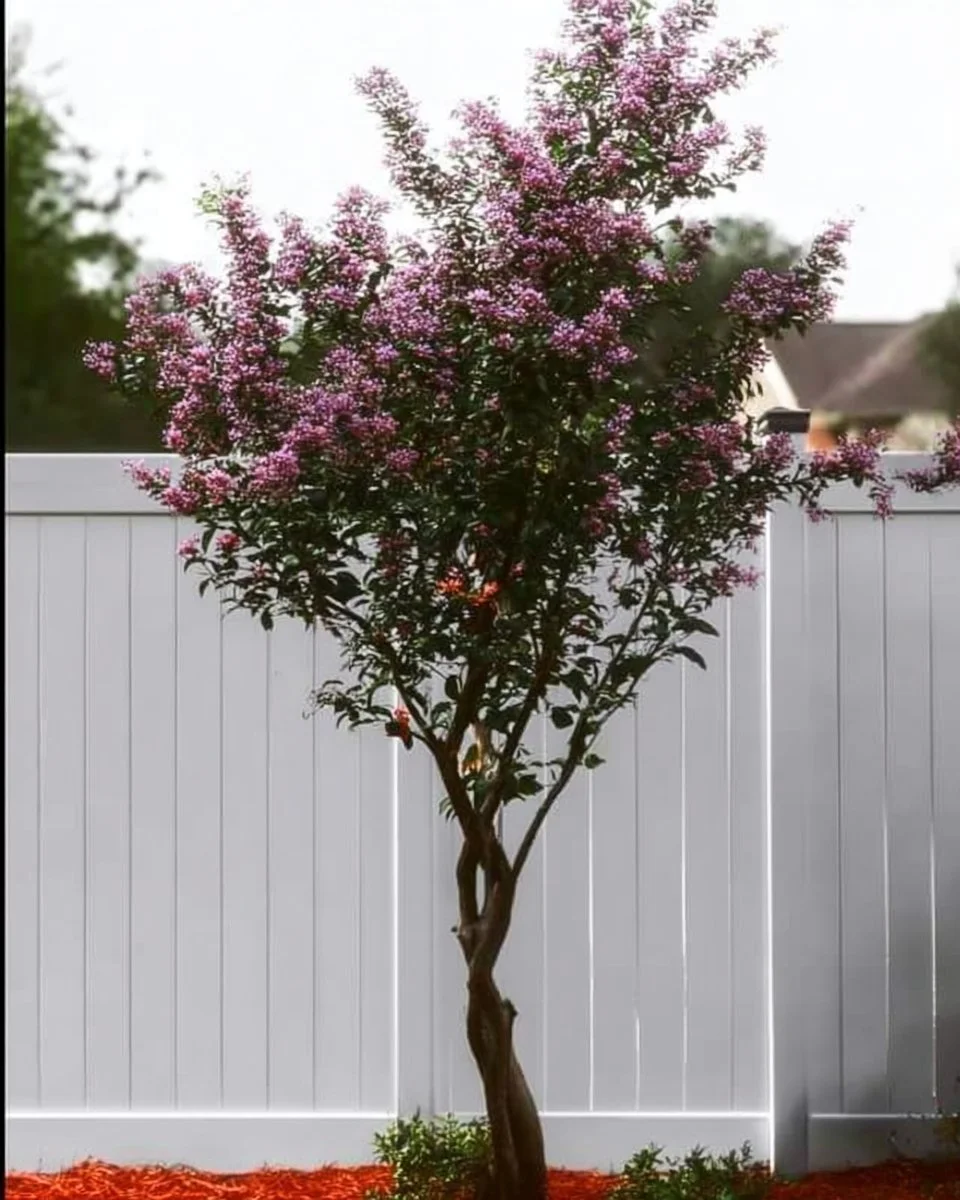
Imagine stepping into your yard on a sunny spring day, the air filled with a sweet fragrance and vibrant blooms dancing gently in the breeze. Small flowering trees can transform your outdoor space from ordinary to extraordinary, adding beauty, color, and even some shade. Whether you’re looking to enhance your garden or create a focal point for your landscape, the Best Small Flowering Trees for Your Yard can be a wonderful addition to bring your vision to life.
In this guide, you’ll learn about various small flowering trees, their unique features, and how to choose the right one for your specific yard conditions. We’ll cover various aspects, including blooming seasons, care requirements, and the overall aesthetic benefits they offer. So let’s jump in!
Table of Contents
Choosing the Right Small Flowering Tree
Selecting the perfect small flowering tree for your yard isn’t just about aesthetics; there are several critical factors to consider.
Consider Your Climate
Understanding your local climate is essential when choosing the Best Small Flowering Trees for Your Yard. For instance, some trees thrive in warmer climates, while others prefer cooler temperatures. The USDA Plant Hardiness Zone Map can help determine which species can flourish in your region.
Understand Your Space
Next, evaluate your yard’s layout. Do you have enough space for a tree’s canopy to spread? Small flowering trees are great because they fit snugly into smaller spaces, but they do need enough room to grow. Think about not only the current landscaping but also how the tree might contribute to your yard as it matures.
Maintenance Requirements
Each tree species comes with its own maintenance needs. Some require minimal care, while others may demand more attention, especially in pruning. Knowing how much time and effort you’re prepared to dedicate is crucial in your selection process.
Top Small Flowering Trees to Consider
With the foundational knowledge in place, let’s dive into some top choices that are perfect for your yard.
Dogwood (Cornus)
Dogwoods are a classic choice, known for their beautiful flowers and distinctive bark. Depending on the species, flowers can be white, pink, or red, ushering in stunning color in spring. Plus, the vibrant fall foliage adds to their year-round appeal. They thrive in well-drained soil and partial shade, making them a flexible option for many yards.
Eastern Redbud (Cercis canadensis)
This tree is not only beautiful in spring when it dazzles with its pinkish-purple blooms, but it also offers unique heart-shaped leaves. The Redbud can grow up to 30 feet tall but remains tidy enough to fit comfortably in smaller spaces. It’s great for naturalizing gardens or as a standalone statement piece.
Serviceberry (Amelanchier)
Serviceberries are more than just pretty. They produce sweet, edible fruits in the summer, attracting local wildlife. With white flowers appearing in early spring, they are excellent for creating a welcoming atmosphere. When fall arrives, their foliage turns a brilliant orange-red, offering extended interest in your landscape.
Crape Myrtle (Lagerstroemia)
Known for their vibrant blooms—from pink to purple to red—Crape Myrtles deliver a long-lasting display throughout the summer months. These trees are heat-tolerant and thrive in full sun. They make excellent options for a patio or near sunny walkways, illuminating your outdoor space.
Flowering Cherry (Prunus serrulata)
Famed for their breathtaking spring blooms, flowering cherries create a beautiful spectacle, primarily in shades of pink or white. They add a romantic charm, often celebrated through various festivals. The flowering timeframe is relatively short, but their beauty is worth it.
Magnolia (Magnolia stellata)
Magnolias feature large, fragrant flowers in early spring that can instantly elevate your backyard. The star magnolia variety remains compact, making it perfect for smaller yards. This lovely tree provides stunning blooms and glossy leaves, adding elegance to your garden.
Seasonal Blooming: When to Plant
Timing is everything when it comes to planting flowering trees. Spring is generally the best season for most small flowering trees, as this allows them to establish roots before the heat of summer. If you’re looking for late summer or fall bloomers, it might be best to plant in late summer to promote root growth.
Caring for Your Small Flowering Trees
Once you’ve chosen your ideal tree, thorough care is necessary to ensure it flourishes.
Watering Techniques
Newly planted trees need consistent watering to establish their roots. A deep watering once a week, depending on rainfall, encourages deeper root growth. As the tree matures, reduce the frequency; however, ensure it receives sufficient moisture during dry spells.
Pruning Tips
Regular pruning helps maintain the shape and overall health of your tree. Late winter or early spring is typically the best time for pruning, as it allows you to see the tree’s structure while it’s still dormant. Look for any dead or crossing branches that can be removed to allow for better air circulation.
Fertilization Best Practices
Using a balanced fertilizer will support your tree’s growth. In the early spring, fertilize with a slow-release or organic product tailored for flowering trees. This boost in nutrients helps enhance blooms as well.
Landscaping Ideas for Your Yard
Incorporating small flowering trees into your landscape can create stunning visual effects. Pair these trees with evergreens for year-round interest or use them to frame an entryway. Consider planting in groups to create clusters of color, or mix with perennial flowers for a layered look.
Have you ever stood in a garden where blossoming trees create a vibrant canopy overhead? That can be your yard too. Think about adding pathways or benches nearby where you can sit and take it all in. No matter how you decide to integrate these trees, they’re bound to make your yard feel more inviting.
Conclusion
In summary, the Best Small Flowering Trees for Your Yard are not only a feast for the eyes but also enhance the overall atmosphere of your outdoor space. Whether you choose a Dogwood, Eastern Redbud, or a fragrant Magnolia, each tree presents unique beauty and charm.
By considering your local climate, space, and maintenance needs, you can select the right varieties that will thrive and bring joy for years to come. Whether you’re looking for a spectacular spring display or year-round elegance, these small flowering trees can truly transform your yard into a picturesque retreat.
FAQs
What are the benefits of planting small flowering trees?
Small flowering trees add beauty, provide shade, attract wildlife, and can improve your yard’s overall ecosystem.
When is the best time to plant small flowering trees?
Spring is usually the best time to plant these trees to help them establish roots before summer.
Do small flowering trees require special care?
While they have specific water and sunlight needs, many small flowering trees are low-maintenance and can thrive with standard care practices.
Can I plant small flowering trees in containers?
Yes! Many small flowering trees can be successfully grown in containers, providing versatility in landscape design.
What types of soil do small flowering trees prefer?
Most prefer well-drained soil enriched with organic matter. However, it’s best to check specific requirements for each type.