
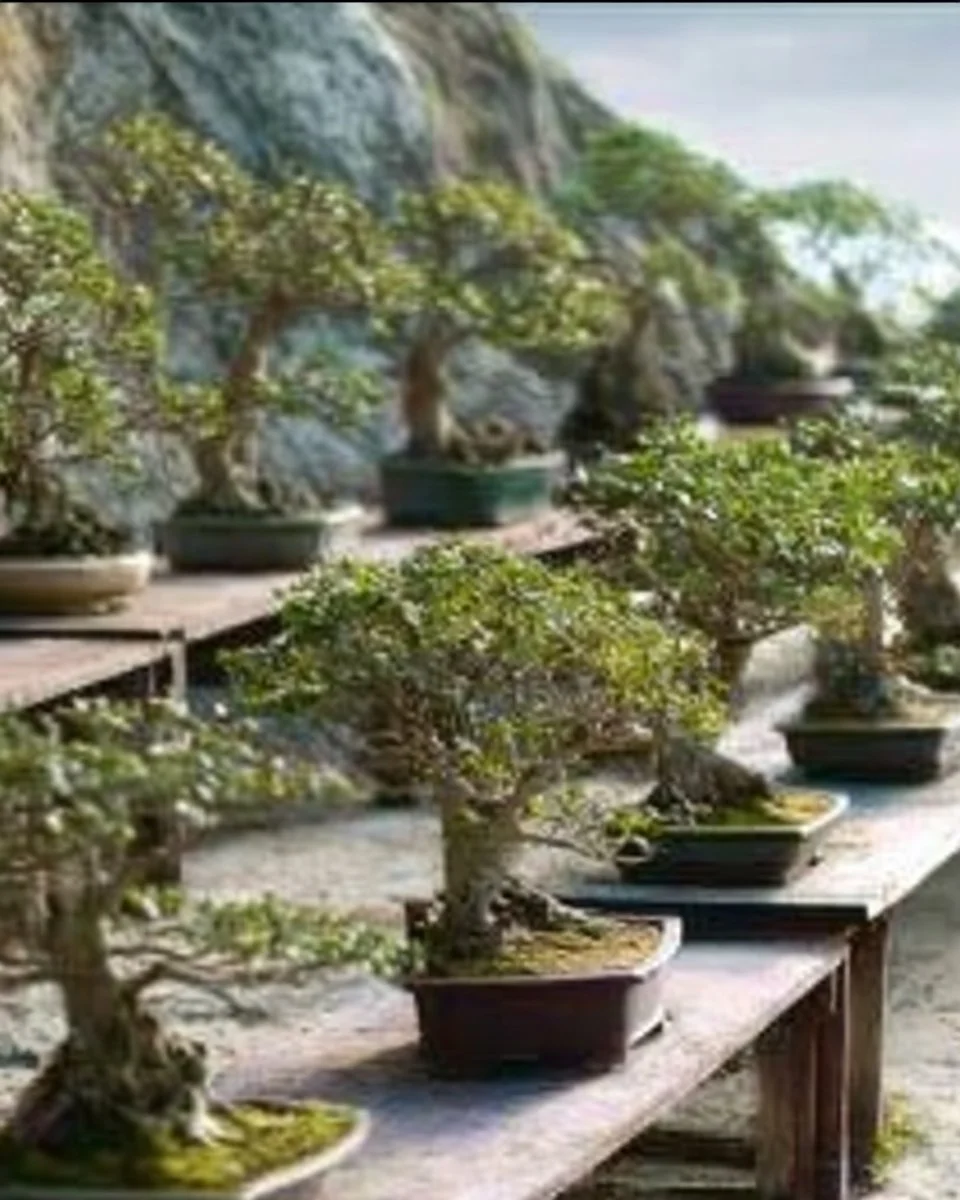
Have you ever marveled at the miniature beauty of a bonsai tree? These artful creations are not just plants; they are a form of living sculpture, cultivated for centuries in Asian cultures. The process of bonsai is both an art and a science, bringing together patient craftsmanship and the joys of horticulture. For anyone interested in starting their own journey into this fascinating hobby, knowing which trees to choose is crucial. In this guide, we’ll explore 9 trees that make good bonsai specimens, each with unique qualities that lend themselves to this delicate art form. By the end, you’ll not only understand why these trees excel as bonsai but also how to begin nurturing your own.
Table of Contents
The Appeal of Bonsai
Bonsai trees have captivated enthusiasts around the globe for generations. The word “bonsai” itself means “planted in a container” in Japanese, highlighting the unique way these trees are cultivated. Each bonsai tells a story; whether it’s the way a gnarled trunk twists and bends or how a tree’s branches reach out like it’s grasping for sunlight. This appeal draws many into the practice.
Have you ever felt that connection with nature while tending to a plant? The gentle act of caring for a bonsai can bring peace and mindfulness amidst the bustle of daily life. Plus, creating and maintaining bonsai is a rewarding experience that nurtures your creativity.
Essential Characteristics of Bonsai Trees
Not all trees can be transformed into bonsai. Here are some essential characteristics that make certain trees excellent bonsai specimens.
Size and Proportion
The ideal bonsai tree remains small and compact, allowing it to fit in a pot and maintain a striking appearance. Trees that grow to large sizes in nature can often be pruned to keep their size manageable.
Leaf Structure and Growth Habits
Trees with smaller leaves are often preferred because they contribute to the illusion of scale. Additionally, species that respond well to pruning and training can create the intricate, aesthetically pleasing shapes that bonsai aficionados seek.
Hardiness and Adaptability
The best bonsai trees can thrive in various environments, whether indoors or outdoors. Trees that can withstand occasional neglect make ideal choices for beginners, particularly those still learning the intricacies of bonsai care.
Top 9 Trees that Make Good Bonsai Specimens
Now that we’ve established what makes a tree suitable for bonsai, let’s dive into our top 9 trees that make good bonsai specimens.
Japanese Maple
Japanese maples are coveted for their stunning foliage, particularly during fall when their leaves display vibrant reds and oranges. Their delicate leaves and beautiful branching patterns make them perfect for bonsai art. They’re relatively easy to care for, provided they’re kept in a well-drained pot and given plenty of natural light.
Ficus
Ficus trees, especially the Ficus retusa, are popular choices among indoor bonsai enthusiasts. They’re hardy and can adapt to various light conditions, making them forgiving for beginners. Plus, their thick trunks and shiny leaves provide a vibrant presence that is pleasing to the eye.
Juniper
Junipers are a classic choice for bonsai due to their rugged look and hardiness. The most common species for bonsai is the Juniperus chinensis or Chinese juniper, which can develop fantastic textures and forms. They thrive outdoors and have a natural tendency to create interesting shapes.
Chinese Elm
The Chinese elm is celebrated for its resilience and adaptability. With its small leaves and beautiful bark, it’s perfect for beginners and experts alike. This species can also handle a range of pruning styles, making it highly versatile for artistic expression.
Pine Trees
Pine trees are iconic bonsai specimens, particularly varieties such as the Scots Pine or Japanese Black Pine. Their needle-like leaves and ability to develop textured bark add depth to bonsai display. They can also withstand significant training and pruning.
Boxwood
Boxwoods are low-growing shrubs that are particularly suited for bonsai due to their dense foliage and beautiful evergreen nature. They can be shaped easily and are capable of withstanding more aggressive pruning.
Azalea
Azaleas are not only stunning when in bloom, but they’re also straightforward to care for as bonsai. Their vibrant flowers offer seasonal beauty, and their small leaves fit well within the bonsai aesthetic. They thrive in acidic soils and prefer moderate sunlight.
Redwood
Redwoods may be known for their towering heights in nature, but certain varieties can be bonsai specimens. They grow quite well in pots and are ideal for creating awe-inspiring, majestic bonsai.
Olive Tree
With a history steeped in symbolism and beauty, olive trees make interesting bonsai specimens. Their silvery leaves and gnarled branches can create an enchanting display. They prefer warmer climates and handle droughts exceptionally well, making them lower-maintenance once established.
Tips for Caring for Your Bonsai
Caring for bonsai can be immensely rewarding. Here are some tips to ensure your bonsai thrives:
- Watering: Consistent moisture is crucial; check the soil regularly. Remember, various species have different watering needs.
- Pruning: Regular pruning not only maintains shape but encourages healthy growth. Use sharp tools for clean cuts.
- Feeding: Fertilizing your bonsai with suitable nutrients is vital for promoting strong growth and vibrant leaves.
Common Mistakes to Avoid
Starting a bonsai hobby can be tricky, and there are common pitfalls.
- Overwatering or underwatering can lead to root rot or dehydration. Balance is key.
- Neglecting proper light can stunt growth. Always match your tree’s needs to its environment.
- Ignoring pruning or pinching back growth can lead to an unruly bonsai. Regular attention helps maintain the artistry.
Taking Your Bonsai to the Next Level
Once you feel comfortable with basic care, think about experimenting with techniques like wiring for form shaping or grafting for species merging. These skills can elevate your bonsai artistry further!
Conclusion
Creating and nurturing bonsai is not just a hobby; it’s a journey that brings you closer to nature and cultivates patience and creativity. The 9 trees that make good bonsai specimens we explored offer a perfect mix of beauty, resiliency, and artistic opportunity. Remember, bonsai demands patience — each twist and turn in your tree’s journey reflects the time and care you’ve invested. So select a tree that resonates with you and embrace the art of bonsai!
FAQs
What is the best tree for beginners?
Ficus is often recommended as the best tree for beginners due to its hardiness and adaptability.
How often should I water my bonsai?
Watering frequency depends on the species and environment, but generally, it’s best to check the soil daily.
Can bonsai grow indoors?
Yes, many bonsai can thrive indoors, but they still require adequate light and humidity conditions.
What type of potting soil should I use for bonsai?
A well-draining mix, often designed specifically for bonsai, is ideal, allowing for proper root health.
How do I know when to fertilize my bonsai?
During the growing season, typically spring and summer, it’s important to fertilize your bonsai every few weeks to ensure robust growth.