
As the vibrant colors of autumn fade and the last of the leaves drop, many gardeners find themselves packing up their tools for a long winter’s rest. But for those who cherish their fruit trees, this is just the beginning. Winter Care for Fruit Trees becomes essential during the colder months to ensure healthy blooms in the spring. Whether you have apple, pear, or peach trees, giving them the proper attention in winter can make all the difference.
Imagine watching your previously barren branches burst into flourishing green leaves and sweet, juicy fruit come summer. To help you achieve this, we’ll explore practical strategies and tips that will set your trees up for spectacular growth when the weather warms. Let’s dive into the crucial aspects of winter care and how you can nurture your fruit trees through the cold months.
Table of Contents
Proper Pruning Techniques
Timing Your Pruning
Pruning your fruit trees properly during winter is critical for their health. While many gardeners think pruning needs to happen in late winter or early spring, winter pruning can actually reduce the risk of disease, as trees are in their dormant state. Ideally, aim for January or February—before buds begin to swell but after the harshest frost has passed.
Tools You’ll Need
To effectively prune your trees, you’ll need the right tools. Make sure to have:
- Sharp pruning shears for small branches.
- Loppers for medium branches.
- A handsaw for larger cuts.
- Pruning paint to seal cuts if necessary.
Regular maintenance of your tools can prevent introducing diseases to your trees.
Mulching for Insulation
Mulching is a simple yet powerful technique to protect your fruit trees. A thick layer of mulch can insulate the soil, helping to maintain a consistent temperature and retaining moisture. This is especially true for young trees that are more vulnerable to the elements.
To mulch effectively, follow these steps:
- Clear any debris or weeds from around the base of the tree.
- Spread a layer of wood chips or straw about 3-4 inches thick, extending outward to the tree’s drip line but avoid piling it against the trunk. This helps in moisture retention and prevents frost heaving.
Protecting Against Pests
Identifying Common Winter Pests
Pests may seem dormant in winter, but certain types are very much active. For instance, rodents may be searching for food, and certain insects can lay eggs during this time, preparing for spring.
To safeguard your trees:
- Look for signs of damage on the bark.
- Be on the lookout for droppings or trails of bark being gnawed on.
Preventative Measures
You can take proactive steps against pests. Using tree guards can protect the lower trunks from rodents. Additionally, consider applying dormant oil sprays to prevent overwintering eggs of insects.
Watering Strategies for Cold Weather
Watering fruit trees during winter may seem counterintuitive, but it’s necessary, especially during dry spells. Trees need moisture to thrive in spring.
When temperatures are above freezing, ensure the roots are adequately hydrated. This could mean soaking the area around the tree if there’s been little snow or rain. Avoid watering when heavy frost is covering the ground, as this can cause damage.
Fertilization Needs in Winter
While most fertilization happens in spring or summer, winter can be a time to assess the nutrient needs of your trees. It’s advisable to avoid applying fertilizers during the cold months because trees are not actively growing. However, you can test the soil and plan for a balanced fertilizer application as winter ends, which will prepare your trees for a vibrant growing season.
Supporting Young Trees
Tree Wraps and Supports
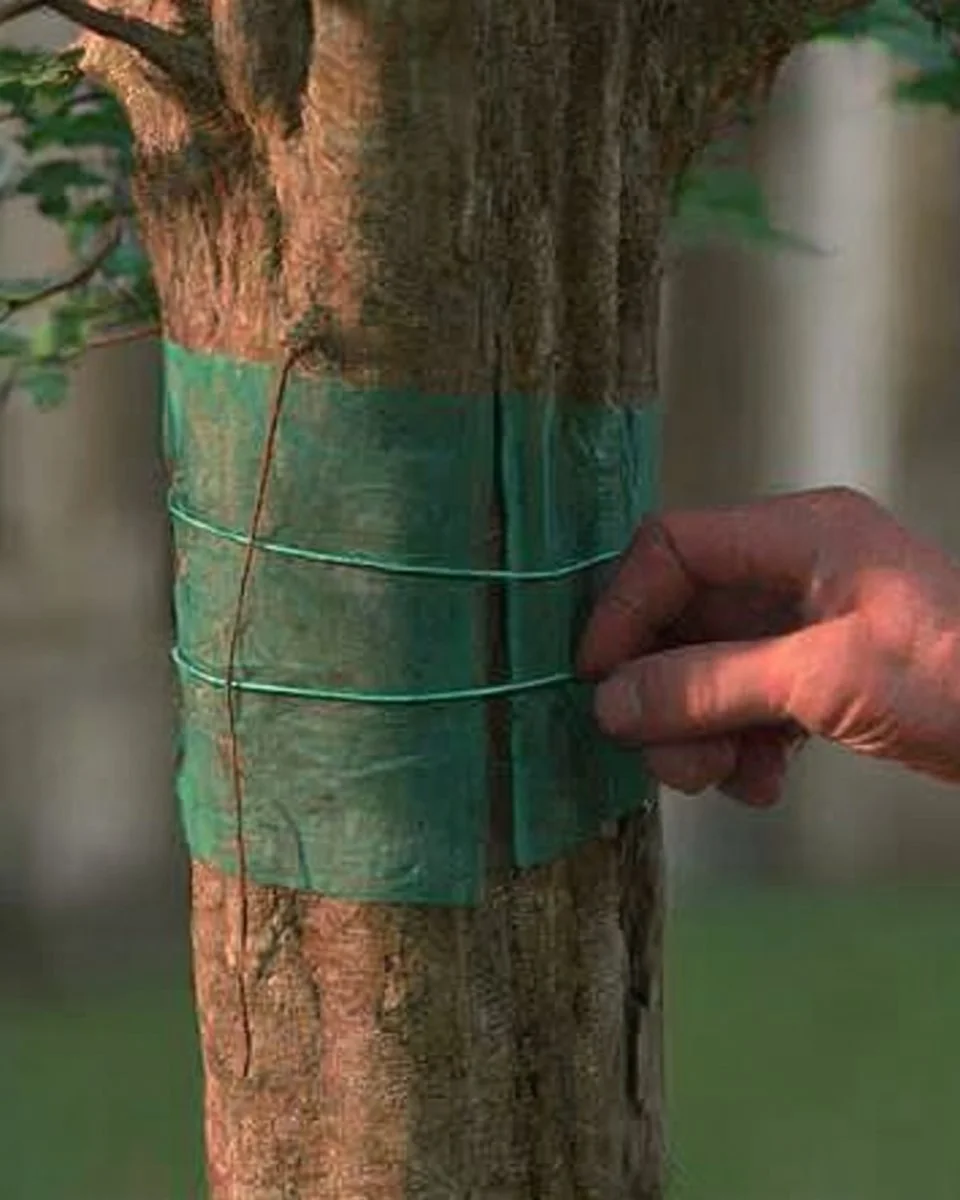
For younger fruit trees, winter can be particularly harsh. Support them with tree wraps made of breathable materials to prevent sunscald and minimize temperature fluctuations that might crack the bark. Also, if necessary, use stakes to support trees against wind damage.
Monitoring Growth
Regularly check on your trees during the winter months. Look for signs of stress or damage, such as broken branches or improper growth. Taking notes during these visits can help you create an action plan for spring.
Conclusion
Taking the time to implement effective Winter Care for Fruit Trees is a labor of love that will pay off in a bountiful harvest come spring and summer. Remember to prune wisely, mulch effectively, protect against pests, and check on your trees regularly. The care you provide during these cold months will set the foundation for vibrant growth in the coming seasons. As the days begin to warm, you’ll be rewarded with lush leaves, fragrant blossoms, and a tree full of juicy fruit, all thanks to your winter diligence.
FAQs
What are the best times to prune fruit trees in winter?
The ideal time for pruning is during dormant seasons, ideally in January or February, when growth has slowed.
How can I prevent frost damage to my fruit trees?
Mulching can help insulate the roots, while wraps can protect the trunks from temperature fluctuations.
Should I water my trees in winter?
Yes, watering is important, especially during dry periods. Just avoid watering when the ground is frozen.
Is fertilization necessary during the winter?
It’s best to avoid fertilizing in winter. Instead, plan to fertilize once spring approaches.
How can I tell if my trees have pest problems in winter?
Inspect for unusual damage on trunks, droppings, or ranger trails that indicate pest activity around your trees.