
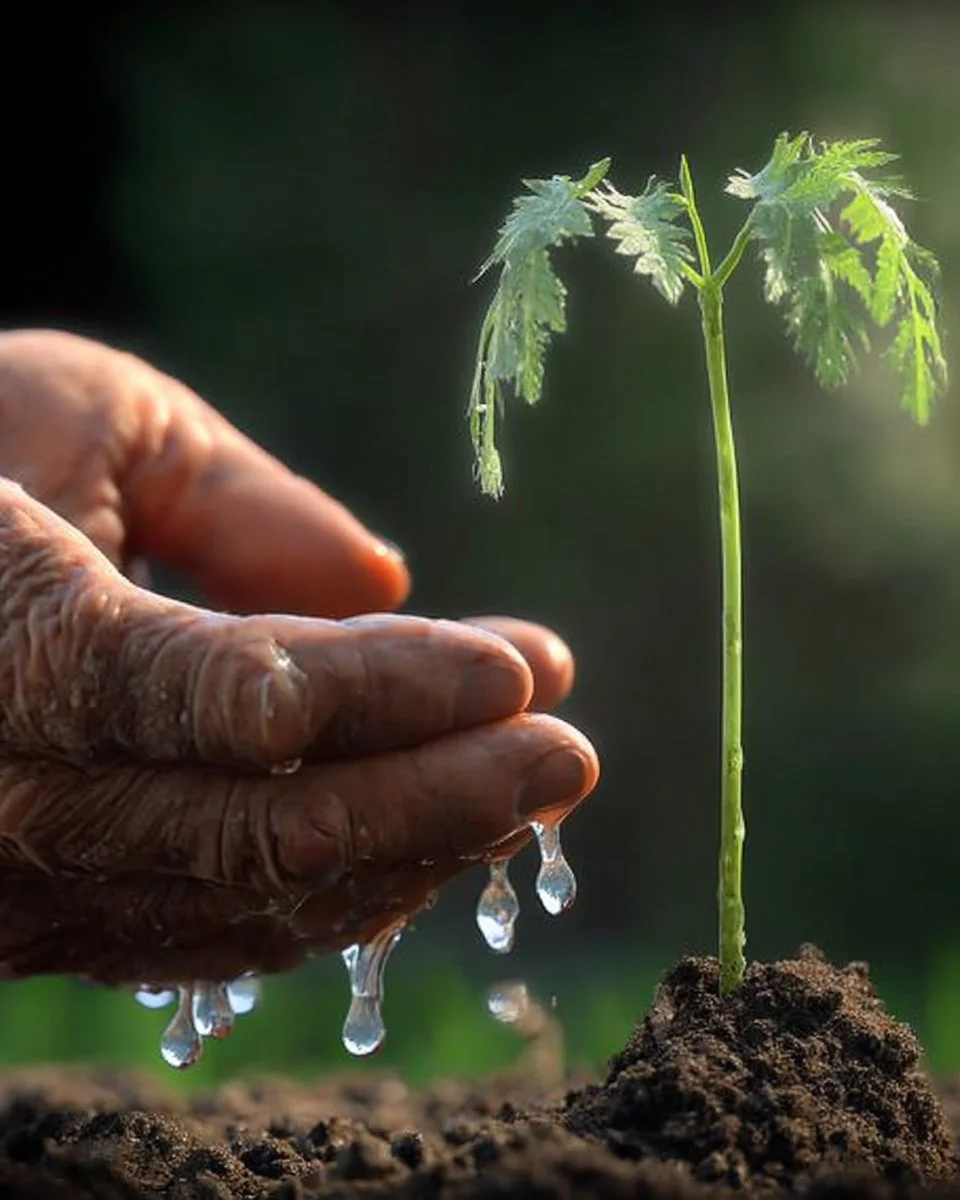
Starting a garden can be an incredibly rewarding experience. Imagine stepping outside to pick fresh tomatoes, fragrant herbs, or colorful flowers that you nurtured from tiny seeds. However, for beginners, the thought of caring for plants can feel overwhelming. That’s where these 10 Seriously Useful Gardening Tips Every Beginner Needs to Know come into play. Whether you’re aiming for a small vegetable patch or a lush flower garden, these tips will guide you in cultivating a thriving garden with confidence.
In this article, we’ll explore essential gardening practices, from understanding soil health and choosing the right plants to simple pest management techniques. So, grab your gardening gloves, and let’s dig in!
Table of Contents
Soil Matters
Soil is the foundation of your garden—it’s where the plants get their nutrients, stability, and even their water. Understanding this crucial aspect is one of the 10 Seriously Useful Gardening Tips Every Beginner Needs to Know.
Understanding Soil Types
Different plants thrive in different types of soil. There are three main types: sandy, clay, and loamy. Sandy soils drain quickly but struggle to hold nutrients. Clay soils retain moisture but can become compacted. Loamy soils are a balanced mix and are ideal for most gardens.
I remember my first gardening attempt where I didn’t consider my soil. I planted herbs only to find they were wilting within days. After a little research, I discovered my sandy soil needed significant organic matter to retain moisture. Don’t skip this research; it makes a world of difference!
Testing Soil Health
Testing your soil can be as simple as purchasing a kit or sending a sample to a local extension service. You’ll learn its pH level and nutrient content. Most plants prefer a slightly acidic to neutral pH (around 6.0 to 7.0). If your soil is too acidic or alkaline, you might need to amend it with lime or sulfur to reach the optimal level.
Choosing the Right Plants
Once you understand your soil, it’s time to choose plants that will thrive in those conditions. The best approach is to select varieties that are suited to your environment and personal abilities.
Native Plants for Beginners
Native plants are adapted to your local climate and require less maintenance. They are resilient, drought-tolerant, and beneficial to local wildlife, including bees and butterflies. For instance, if you live in the Midwest, consider planting coneflower or butterfly weed.
Annual vs. Perennial Plants
Annual plants complete their life cycle in one growing season, while perennials return year after year. As a beginner, you might want to mix in some perennials, which often require less maintenance over time compared to starting fresh each year with annuals.
Creating a Garden Layout
An effective garden layout not only maximizes space but also improves plant health by considering sunlight, moisture, and growth habits.
Layout Principles
When mapping out your garden, consider light requirements. Taller plants should be placed towards the back to avoid shading shorter ones. A wedge or triangular shape can allow for ample sunlight and create visual interest.
Companion Planting
Companion planting refers to placing plants together that mutually benefit one another—for example, planting marigolds with tomatoes can help deter pests like nematodes. This practice enhances your garden’s health while making it more vibrant and productive.
Watering Techniques
Watering properly can determine whether your plants thrive or fail. It’s a critical factor among the 10 Seriously Useful Gardening Tips Every Beginner Needs to Know.
Best Practices for Watering
Early morning is the best time to water your garden. This allows plants to absorb moisture before the heat of the sun evaporates it. Water at the base of the plants using a soaker hose or drip irrigation to minimize leaf exposure and mold growth.
Signs of Overwatering and Underwatering
Watch your plants closely. Yellowing leaves can indicate overwatering, while drooping or browning leaves often signal underwatering. Learn your plants’ preferences, and adjust accordingly.
Pest Management Strategies
Gardening isn’t just about growing plants; you’ll encounter pests too. It’s essential to deal with them proactively while also keeping your plants healthy.
Natural Pest Control
Instead of reaching for chemical pesticides, try natural pest deterrents. For instance, using neem oil can effectively manage aphids and spider mites. Additionally, introducing beneficial insects, like ladybugs, can keep harmful pests in check naturally.
Common Pests to Look Out For
Get to know your garden’s potential invaders. Aphids, slugs, and caterpillars are common nuisances. Regular inspections of your plants will help catch infestations early before they become overwhelming.
Maintenance Tips
A well-maintained garden requires consistent effort, but it’s rewarding to see your hard work pay off.
Regular Weeding
Weeds compete with your plants for nutrients and water. Aim to remove them regularly—ideally, before they develop seeds. Hand-pulling, hoeing, or mulching can keep them at bay.
Seasonal Care Routines
Adapting your maintenance routine to seasonal shifts is vital. In early spring, focus on soil preparation and planting, while late summer is a good time to assess plant health and prepare for potential pests.
Harvesting and Enjoying Your Garden
After all your hard work, it’s time to enjoy the fruits of your labor—literally!
When and How to Harvest
Harvest your crops regularly to encourage growth. Many vegetables, like beans and cucumbers, are best when picked young for optimal flavor. Always use clean, sharp tools to avoid damaging plants.
Storing Your Crops
Proper storage can extend the freshness of your harvest. Herbs can be dried or frozen, while many vegetables store best in a cool, dark place. Feel free to experiment with recipes that incorporate your homegrown produce!
Conclusion
Gardening is a journey filled with learning and growth, not just for your plants, but for yourself as well. By implementing these 10 Seriously Useful Gardening Tips Every Beginner Needs to Know, you’ll cultivate not only a beautiful garden but also a sense of achievement and connection to nature. So whether you’re planting a few herbs on a windowsill or developing a sprawling vegetable plot, remember to enjoy the process, embrace mistakes, and celebrate every bloom and harvest. Your garden is waiting for you!
FAQs
What’s the best way to start a small garden?
Start by selecting a sunny spot, preparing the soil, and choosing a few easy-to-grow plants like lettuce or herbs.
How often should I water my plants?
Water frequency depends on plant type and climate. Check the soil moisture and water when it feels dry a couple of inches down.
Should I use organic pesticides?
Yes, organic pesticides are safer for beneficial insects and your garden ecosystem. Opt for natural alternatives whenever possible.
What plants are good for beginners?
Consider planting zinnias, sunflowers, or cherry tomatoes as they are generally easy and forgiving for novice gardeners.
When is the best time to start planting?
Typically, spring is the best time to start planting a garden, but it also depends on your local climate. Check your area’s hardiness zone for specific guidelines.