
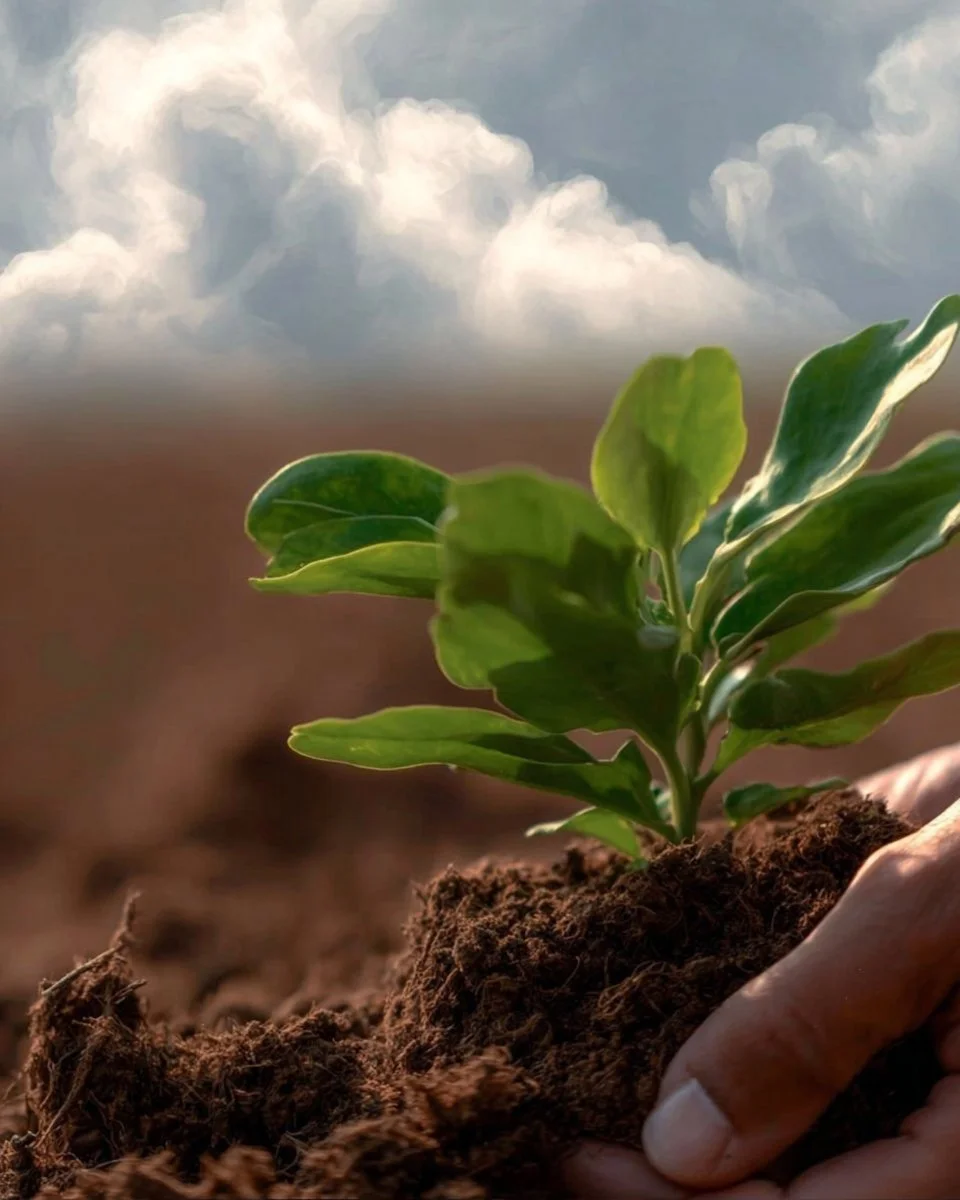
Soil is often referred to as the unsung hero of our ecosystem. Without it, life as we know it wouldn’t be possible. Imagine waking up every morning to a world devoid of the rich, fertile ground that sustains our food supply, trees, and countless other life forms. That’s just how vital soil is! But here’s the kicker: soil is depleting at alarming rates due to erosion, pollution, and poor agricultural practices. If you’ve ever stood in your garden, noticing the dry, cracked earth or had a neighbor complain about ineffective plant growth, you might be curious about what could be done differently.
In this Soil Conservation Guide – Everything You Need To Know, we’ll delve into the importance of soil conservation, explore various strategies you can implement, and equip you with the knowledge needed to preserve this precious resource. Let’s unpack this topic together and ensure that we’re doing everything we can for our soil and, ultimately, for ourselves!
Table of Contents
The Importance of Soil Conservation
Soil is far more than just dirt – it’s a living ecosystem that supports life. The nutrients contained within support plant growth and thus form the base of our food chain. Soil health impacts water quality, carbon storage, and biodiversity. But why is soil conservation critical right now? With the global population expected to reach 9.7 billion by 2050, the demand for food will only increase. Effective soil conservation practices are essential not only to maintain food security but also to protect our environment.
Soil acts as a filtration system, absorbing water and removing contaminants. Healthy soil can better withstand weather extremes, thereby acting as a buffer against floods and droughts. When soil is conserved, it not only ensures the longevity of crops but also combats issues like climate change, improving the overall health of our planet.
Causes of Soil Degradation
Understanding what threatens our soil is the first step in preserving it. Here are some of the main culprits behind soil degradation:
Erosion
Erosion is one of the biggest threats to soil health. Wind and water can easily wash away the top layer of soil, which is often the most fertile. Have you ever walked along a road only to notice how the dirt slopes away toward the ditch? That’s erosion in action and a clear sign of failing soil quality.
Pollution
Soil pollution occurs when harmful chemicals from pesticides, heavy metals, or waste materials seep into the earth. These pollutants inhibit the natural processes that allow soil to remain healthy and productive. Urban development and industrial waste are often major contributors to this issue.
Poor Agricultural Practices
The use of monoculture farming (growing the same crop repeatedly) can deplete the soil of specific nutrients, leading to weakened soil structure over time. Additionally, over-application of fertilizers can cause nutrient runoff that further compromises soil health.
Effective Soil Conservation Techniques
Now that we know what threatens our soil, let’s talk about how we can protect it. Implementing soil conservation techniques can make a significant difference. Here are some effective practices worth considering:
Crop Rotation
Crop rotation involves alternating the type of crops grown in a specific area. This not only helps prevent pest buildup but also maintains nutrient balance in the soil. For example, rotating legumes (which fix nitrogen in the soil) with grains can rejuvenate nutrient levels without heavy fertilizer use.
Cover Cropping
Cover crops are plants sown to cover the soil, rather than for the purpose of being harvested. They can help prevent erosion, improve soil structure, and add organic matter when they decompose. Popular cover crops include clover and vetch, which improve soil health while minimizing weeds.
Contour Farming
Contour farming involves plowing and planting across the slope of the land, rather than up and down. This technique helps reduce erosion and water runoff by following the natural contours of the land. When done correctly, it can significantly slow water movement and increase water retention in soil.
No-Till Farming
No-till farming leaves the soil undisturbed, allowing natural processes to occur and minimizing erosion. While transitioning to no-till can be daunting, the long-term benefits – such as improved soil health and reduced labor – are worth the effort.
Benefits of Soil Conservation
Soil conservation techniques yield a plethora of benefits. Healthier soil means healthier crops, leading to increased yields. It also contributes to improved water quality, as well-conserved soil filters and retains water effectively. Moreover, conserving soil plays a crucial role in carbon sequestration, helping to mitigate climate change. Ultimately, these benefits create a more resilient ecosystem, ensuring that future generations can enjoy the richness of our planet.
How Individuals Can Help
You don’t have to be a farmer or a scientist to contribute to soil conservation. Here are a few simple yet impactful actions you can take:
- Start a garden: Even if it’s on a small scale, gardening can help build healthy soil. Use compost and native plants to enrich the earth.
- Support local agriculture: Buy organic produce from local farmers who prioritize sustainable practices. This supports the economy while promoting soil conservation.
- Educate yourself and others: Share what you learn about soil conservation. The more people are aware of its importance, the stronger the community action will be.
- Participate in clean-up events: Local cleanup efforts help minimize pollution and protect soil quality.
Resources for Further Learning
If you’re eager to dive deeper into soil conservation, there are many resources available. Organizations like the Natural Resources Conservation Service (NRCS) offer great tools and information. You can also find books focused on permaculture, sustainable farming, and soil health at your local library or bookstore. Online courses and workshops can provide further education, giving you hands-on experience in conservation techniques.
Conclusion
As we wrap up this Soil Conservation Guide – Everything You Need To Know, remember that taking care of our soil is an investment in our future. The practices we implement today can lead to healthier ecosystems, more sustainable food systems, and a more resilient planet. No effort is too small – whether it’s a community garden or just spreading awareness, every bit counts. Let’s commit to nurturing our soil, because when we protect our earth, we’re protecting ourselves and generations to come.
FAQs
What is soil conservation?
Soil conservation refers to methods aimed at preventing soil erosion and maintaining soil health. This includes techniques like crop rotation, cover cropping, and no-till farming.
Why is soil conservation important?
It’s vital for maintaining food security, supporting water quality, and promoting biodiversity. Healthy soil means healthy ecosystems.
How can I improve my garden soil?
You can improve your garden soil by adding organic matter (compost), implementing cover crops, and practicing crop rotation.
What are cover crops, and how do they help?
Cover crops are plants grown primarily for soil improvement rather than harvest. They prevent erosion, add organic nutrients, and improve moisture retention.
Can I contribute to soil conservation as an individual?
Absolutely! You can start a garden, support local agriculture, and participate in community clean-up efforts to help protect and preserve soil resources.