
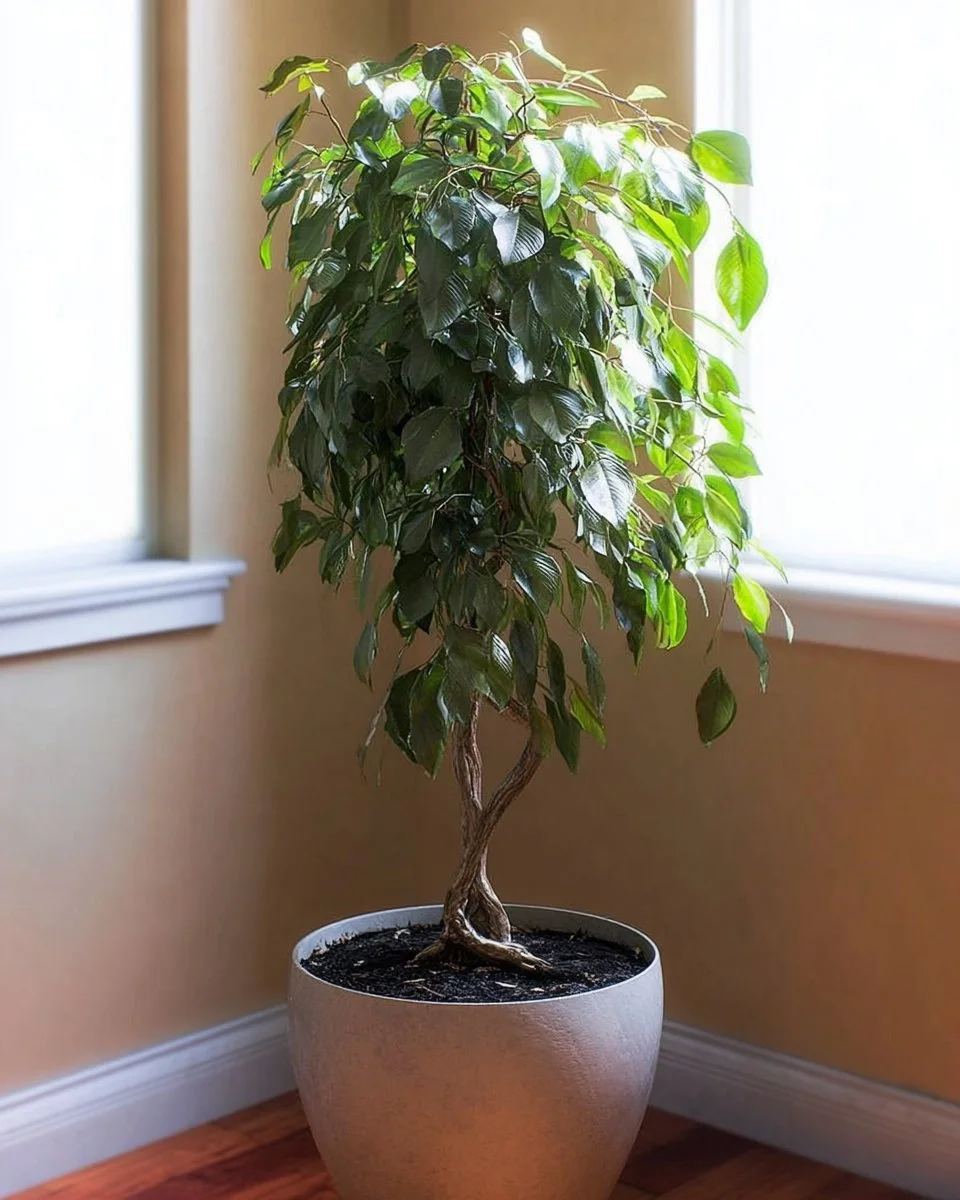
Have you ever walked into a home or office and been greeted by the lush green leaves of a Ficus tree? These plants are not just visually appealing; they’re known for their resilience and air-purifying qualities. If you’re considering adding a Ficus tree to your collection or simply want to nurture the one already in your living space, you’re in the right place. This Is How to Grow and Care for Healthy Ficus Trees will guide you through the essentials of keeping your Ficus thriving, ensuring it becomes a stunning focal point in your home. From understanding its nature to learning about the optimal care practices, you’ll be well-equipped to help your Ficus flourish. Let’s get started!
Table of Contents
Understanding Ficus Trees
Ficus trees belong to the Moraceae family and are known for their wide variety of species—over 800, in fact! While many of these can be grown, some of the most popular types for home cultivation include the Ficus elastica (rubber tree) and Ficus benjamina (weeping fig). Each species has its unique charm, making it important to select a type that suits your living environment and personal taste.
Types of Ficus Trees
The Ficus elastica, with its glossy leaves and upright growth, is a favorite for beginners due to its forgiving nature. On the other hand, the Ficus benjamina often features cascading branches and can grow quite tall, which makes it an eye-catching statement piece. Understanding the specifics of each type can help you choose the one that’ll thrive best in your home.
Ideal Growing Conditions
Ficus trees thrive in bright, indirect sunlight, making a spot near a window ideal. Too much direct sunlight can lead to leaf burn, while too little can stunt their growth. Keeping the humidity levels high is also beneficial—Ficus trees appreciate moist air. If you live in a dry climate, consider using a humidifier or placing a pebble tray filled with water beneath your plant to maintain the humidity.
Planting Your Ficus Tree
When starting your journey with a new Ficus tree, the planting stage is crucial. The right pot and soil can make all the difference in your plant’s health.
Choosing the Right Pot
Selecting the proper pot is all about balance. A pot that’s too large can hold excess water, leading to root rot, while one that’s too small can restrict growth. A pot with drainage holes is essential to allow excess water to escape. As a rule of thumb, choose a pot that is 2–3 inches larger in diameter than the current root ball.
Soil Requirements
The best soil for a Ficus tree is well-draining, rich in organic matter. A potting mix formulated for houseplants, combined with perlite or coarse sand, can provide the aeration necessary for your Ficus’s roots. Remember to ensure the soil remains slightly moist but not soggy; this balance promotes healthy growth.
Caring for Your Ficus Tree
Once planted, your Ficus tree will require ongoing care to thrive. Let’s discuss best practices for watering, fertilizing, and pruning.
Watering Best Practices
Watering your Ficus tree can be a bit of an art. It’s best to stick your finger in the soil up to an inch; if it feels dry, it’s time for a drink. Generally, Ficus trees prefer a consistent moisture level—allowing the top two inches of soil to dry out between waterings is ideal. During the growing season (spring and summer), they’ll need water more frequently, whereas in the fall and winter, you can cut back. A helpful tip: always water deeply but infrequently.
Fertilizing and Nutrient Needs
Ficus trees benefit from regular feeding, particularly when they’re actively growing. Using a balanced liquid fertilizer every four to six weeks during the growing season will ensure your plant receives vital nutrients. Remember to dilute the fertilizer to half the recommended strength to avoid over-fertilization, which can damage fragile roots.
Pruning and Shaping
Pruning isn’t just about keeping your Ficus looking neat. It encourages fuller growth and can help shape your tree into a beautiful form. Ideally, you should prune in early spring before the growing season begins. Focus on removing dead or yellowing leaves, and trim back any leggy growth to promote a bushier appearance.
Common Issues with Ficus Trees
Despite their hardiness, Ficus trees can face their fair share of issues. Understanding the most common problems can help you strengthen your plant’s resilience.
Pests and Diseases
Ficus trees can fall prey to a few pests, such as spider mites and scale insects. Keep an eye out for discolored leaves or webbing, which can indicate a pest problem. If you notice something off, a gentle spray with insecticidal soap or neem oil can help eliminate minor infestations. On the disease front, root rot—often caused by overwatering—is a significant risk. Make sure your pot has adequate drainage and monitor your watering habits closely.
Leaf Drop and Other Problems
One of the most common issues Ficus owners encounter is leaf drop. This can occur due to sudden changes in environment, such as a draft, or changes in light conditions. If you notice leaves falling, try to identify any recent changes and return your plant to a more stable environment. Adjusting the watering habits can also help; a sudden dry spell can also lead to leaf loss.
Benefits of Ficus Trees
Beyond their beautiful aesthetics, Ficus trees offer numerous benefits. They are excellent air purifiers, which can improve indoor air quality by filtering out toxins. Additionally, their presence in a room can boost mood and enhance your overall environment. Simply put, having a Ficus tree at home isn’t just a stylish choice; it’s a healthy one too!
Conclusion
Caring for a Ficus tree can be incredibly rewarding, transforming any space into a vibrant oasis. By knowing This Is How to Grow and Care for Healthy Ficus Trees, you’ve armed yourself with the essential knowledge to keep your plant happy and thriving. Remember, patience is key. Each Ficus tree is a little different and understanding its unique needs will help you uncover its full potential. Now that you’re equipped with these tools, it’s time to embrace your green thumb and enjoy the beauty of your flourishing Ficus!
FAQs
What type of light is best for Ficus trees?
Ficus trees prefer bright, indirect light. Avoid direct sunlight, as it can scorch the leaves.
How often should I water my Ficus tree?
Water when the top inch of soil feels dry. This often means watering once a week in the growing season and less frequently in winter.
What do I do if my Ficus tree is losing leaves?
Leaf drop can be a sign of stress. Check for draft exposure, watering inconsistencies, or pest issues and adjust care accordingly.
Can Ficus trees survive in low light?
While they can adapt to lower light conditions, Ficus trees thrive in bright light. If kept in low light for too long, they may become leggy or drop leaves.
When is the best time to prune a Ficus tree?
Pruning is best done in early spring before the growing season begins for optimal results.