
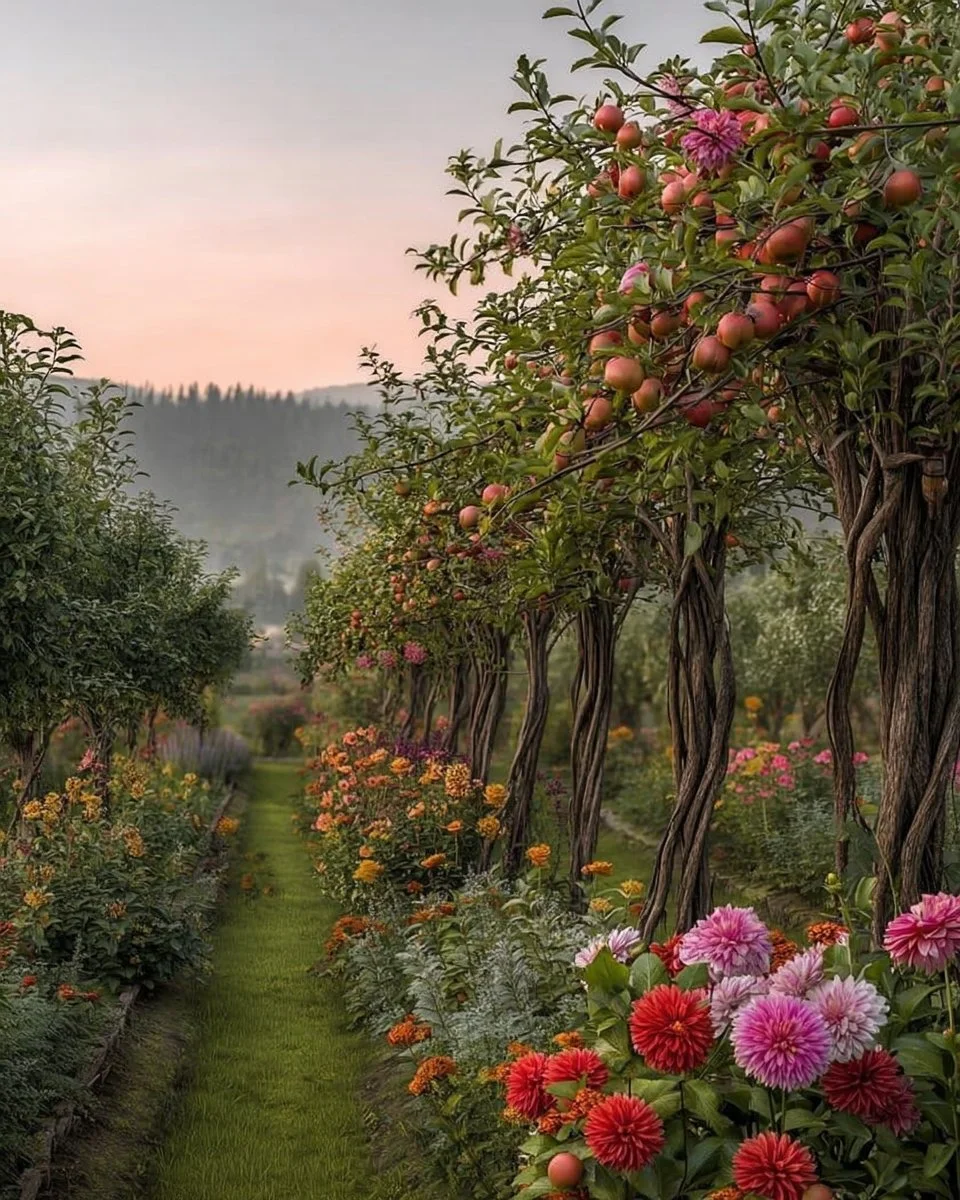
Have you ever walked through a garden filled with vibrant fruit trees, their branches heavy with ripe, colorful produce? There’s something undeniably delightful about merging the beauty of landscaping with the delicious bounty of nature. If you’re looking to transform your outdoor space, you’re in for a treat! In this article, you’ll discover 19+ Creative Landscaping Ideas with Fruit Trees that can elevate your yard, unused spaces, or even balconies into lush, edible landscapes. From planting techniques to design concepts, we’ll guide you through practical steps you can take to incorporate fruit trees in creative ways that fit your style and environment. Let’s dig in!
Table of Contents
Landscaping with Fruit Trees
Benefits of Fruit Trees in Landscaping
Integrating fruit trees into your landscaping design offers numerous benefits. Beyond aesthetics, fruit trees provide shade, attract pollinators, and contribute to biodiversity in your yard. Not to mention, who doesn’t love fresh fruit in their backyard? You get to enjoy delicious apples, pears, or citrus fruits right from your own garden. Imagine stepping outside, plucking a ripe peach off the branch, and enjoying it on a warm summer day. Just think about the smiles on the faces of your family and friends as they partake in the bounty of your efforts.
Choosing the Right Fruit Trees for Your Area
Before getting your hands dirty, it’s essential to consider which fruit trees thrive in your climate. Some trees prefer warmer temperatures, while others might need a cooler environment. Researching local conditions and seeking advice from local nurseries can help ensure you select fruit varieties suitable for your region. Additionally, consider the space you have available—some trees grow tall, while others stay compact. For example, dwarf varieties can fit perfectly into smaller yards or patios without sacrificing beauty or productivity.
Creative Design Ideas
Focal Points: Statement Trees
One of the most impactful ways to utilize fruit trees in your landscape is by making them the focal point of your garden. A stunning flowering cherry or a majestic fig tree can draw the eye and serve as a stunning centerpiece. Surround your statement tree with colorful flowers or native plants to enhance its beauty. Depending on the season, its blooms will serve as a testament to nature’s artistry, providing visual interest year-round.
Edible Borders: Fruit Tree Hedges
Creating a hedge of dwarf fruit trees can establish a soft boundary or privacy screen while delivering a delicious harvest. For instance, planting a row of slender apple trees can both define your space and yield delectable fruit. Consider interspersing ornamental plants with your fruit trees to add layers of texture and color, ensuring your hedge is visually appealing even when the fruit isn’t on the branches.
Tiered Planting: Maximize Small Spaces
Have a compact yard? No problem! Consider tiered planting to maximize your space. You might plant a taller fruit tree alongside smaller bushes or herbs that thrive in the shade the tree provides. This design maintains an open feel while letting you make good use of the vertical space available. Grapevines trained to climb vertical structures can easily complement this scheme, creating a lush green landscape.
Functional Elements
Fruit Trees as Privacy Screens
Using tall fruit trees as privacy screens can be an effective way to create seclusion in your garden while still adding beauty. Varieties like the Loblolly Pine or Leyland Cypress not only grow fast but provide an excellent visual barrier as they mature. Plant them strategically to shield your outdoor seating area from prying eyes or noise from neighbors, giving you a personal oasis right outside your door.
Incorporating Fruit Trees into Outdoor Spaces
Consider adding fruit trees to your outdoor dining or relaxation areas. A limb-over seating arrangement beneath a shade-producing citrus tree can be the ideal sipping spot for your morning coffee or tea. Utilize outdoor furniture designs that reflect the organic shapes found in nature, creating an all-encompassing outdoor experience that’s cozy and inviting.
Seasonal Considerations
Year-Round Interest and Maintenance
Integrating fruit trees isn’t just about picking the right ones; it’s also about ensuring they provide interest throughout the seasons. Some trees offer stunning blossoms in spring, while others present vibrant foliage in fall and fruit in summer. Keeping your landscaping dynamic can prevent it from feeling stagnant during off-seasons. Regular maintenance, such as pruning in winter, ensures that your trees stay healthy and robust.
Seasonal Care for Your Fruit Trees
Each season brings unique tasks to maintain your trees and promote healthy growth. During spring, it’s crucial to apply mulch to retain moisture and suppress weeds. Summer requires consistent watering and pest monitoring, while fall often involves preparing trees for winter. Pruning and winterizing your trees ensures they bounce back better than ever when spring arrives.
Encouraging Wildlife with Fruit Trees
Fruit trees offer bountiful benefits beyond the garden—adding them to your landscape can encourage beneficial wildlife. Bee populations thrive on the blossoms, while birds are drawn to the ripening fruit. You’ll find that inviting nature into your space enhances the environment and contributes to the ecosystem. Watching nature at play can be a delightful addition to your everyday life.
Conclusion
As you can see, incorporating fruit trees into your outdoor space isn’t just a practical choice; it’s a creative opportunity that enhances the beauty and productivity of your landscape. From utilizing them as visual focal points to maximizing small spaces with tiered plantings, the possibilities are limited only by your imagination. By employing these 19+ Creative Landscaping Ideas with Fruit Trees, you’ll cultivate a vibrant and fruitful outdoor environment that you can enjoy for years to come. Happy gardening!
FAQs
What types of fruit trees are best for small gardens?
Dwarf varieties like apple, peach, or citrus trees are ideal for small spaces. They not only take up less room but are also easy to maintain and care for.
How often should I water my fruit trees?
Watering needs can vary based on tree type and climate, but generally, young trees should be watered weekly, and established trees can tolerate less frequent watering.
Do I need to prune my fruit trees?
Yes, pruning is essential for healthy growth and fruit production. It’s best to do this in late winter or early spring when the tree is still dormant.
When is the best time to plant fruit trees?
Early spring or fall are ideal times for planting fruit trees, as they allow the roots to establish before the harsher summer heat or winter frost.
Can fruit trees attract pests, and how can I manage them?
Yes, fruit trees can attract pests. Regular monitoring and organic pesticides can help manage them, along with encouraging beneficial insects in your garden.