
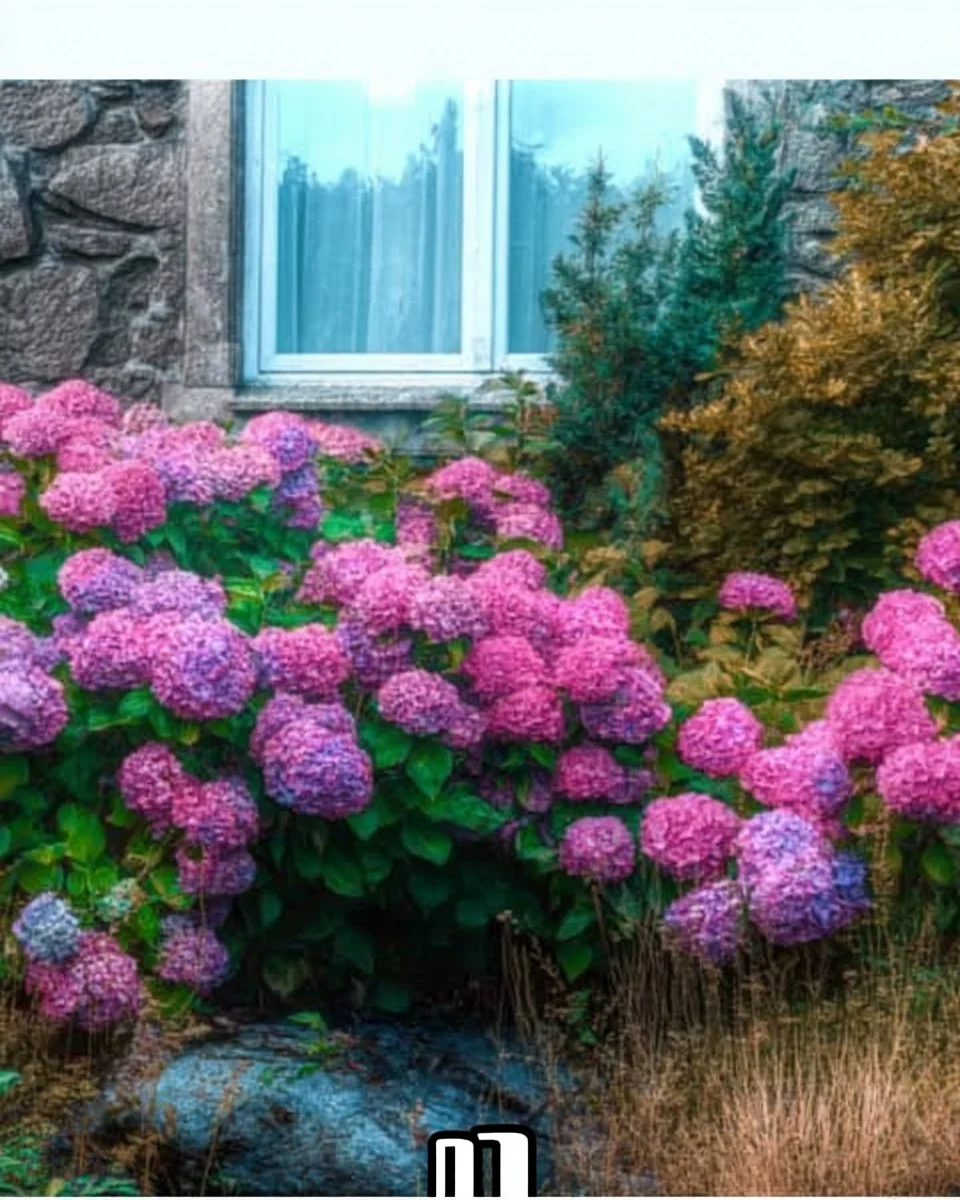
Have you ever gazed at the side of your house, wondering how to transform that barren patch into a lush sanctuary? You’re not alone! Many of us are faced with areas that receive limited sunlight, which can feel like a gardening challenge. But fear not! In this post, we’re diving into the world of 13 popular shade plants for the side of a house. You’ll discover versatile plants that thrive in low-light conditions and how they can bring life and color to those tricky spots. Whether you’re looking to add texture, color, or simply a touch of greenery, you’ll find the perfect shade plants that fit your needs and style.
Table of Contents
Popular Shade Plants for Your Garden
When considering which plants to use, it’s essential to choose those that suit your climate and the specific conditions of your planting area. Here are some detailed descriptions of the 13 popular shade plants for the side of a house.
Ferns: The Classic Choice
Ferns are a timeless staple for shady areas. With their feathery fronds and lush green color, they can create a serene backdrop for your garden. Varieties like the Japanese Painted Fern can offer striking patterns that bring visual interest without needing direct sunlight.
Hostas: Versatile Beauties
Hostas are perhaps one of the most popular garden plants for shade. Their broad, lush leaves come in various colors and patterns, making them perfect for creating a textural contrast against the more delicate ferns. The great thing about hostas is their adaptability; they can thrive in a variety of soil types and moisture levels, making them suitable for almost any shady spot.
Astilbe: Color and Texture
If you’re looking for plants that offer vibrant blooms, astilbe is a fantastic choice. The delicate feathery spikes bloom in shades of pink, red, and white, creating a stunning display. These plants also attract pollinators, making them not only beautiful but beneficial for your garden ecosystem.
Bleeding Heart: A Romantic Touch
The Bleeding Heart, with its unique heart-shaped flowers, can add a romantic flair to your garden. This perennial loves the shade and is often one of the first plants to bloom in the spring, providing a splash of color when other plants are still waking up.
Brunnera: A “False” Forget-Me-Not
Brunnera macrophylla, commonly known as Siberian Bugloss or False Forget-Me-Not, displays stunning blue flowers in the spring. Its heart-shaped leaves offer a lovely texture year-round, thriving beautifully in shady settings.
Heuchera: Colorful Foliage
Heuchera, or coral bells, are admired for their diverse foliage colors ranging from deep purple to lime green. They produce tall flower spikes that can attract hummingbirds, adding motion and life to your garden.
Lungwort: A Shade-Lover’s Delight
Lungwort offers lovely spotted leaves and clusters of pink or blue flowers. It’s especially valuable for its ability to thrive in moist and shady conditions, making it a perfect companion plant for hostas and ferns.
Pulmonaria: The Deer-Resistant Option
If deer are an issue in your garden, Pulmonaria (or lungwort) might be the perfect choice. Its low-growing form and colorful flowers are attractive and tough. Its foliage also serves as excellent ground cover, reducing weeds in the process.
Tiarella: Foam Flower for a Gentle Touch
Tiarella, or foam flower, has delicate white flowers that grow in spiky clusters. This plant is ideal for lightly shaded areas and can gracefully spread to cover the ground, achieving a soft, natural look.
Japanese Forest Grass: A Feathery Delight
For added movement in your shade garden, consider adding Japanese forest grass (Hakonechloa macra). Its cascading habit creates a splendid waterfall effect that pairs beautifully with bolder plants like hostas and ferns.
Solomon’s Seal: Elegant and Graceful
Solomon’s seal is a classic shade plant with a graceful arching habit. Its nodding white flowers provide subtle elegance, making it a lovely addition to the dappled light areas of your garden.
Cardinal Flower: A Splash of Red
For something truly unique, the Cardinal Flower offers bright red spikes that light up shady corners. It’s also attractive to hummingbirds, providing both beauty and wildlife interest.
Designing with Shade Plants
Creating a beautiful shade garden is all about layering and variety. When you combine different plants, consider their height, texture, and bloom time.
Layering Texture
Start with taller plants like astilbe and bleeding hearts at the back and transition to medium-sized hostas and ferns in the middle. Ground-hugging plants like heuchera and lungwort can fill in the front, creating a lush, three-dimensional effect that draws the eye across your garden.
Color Combinations
Think about color contrasts as well. Dark-leaved hostas can make the bright greens of Japanese forest grass pop, while the red tones of the cardinal flower can energize the more subdued hues of lungwort and ferns. This deliberate pairing of colors greatly enhances the visual appeal of your shade garden.
Care and Maintenance
Caring for shade plants can be relatively straightforward, but they do have specific needs that you should be aware of to keep them healthy and thriving.
Watering Guidelines
Most shade plants appreciate consistent moisture, especially during hot summer months. A deep watering once a week is typically sufficient, but check the soil; if it feels dry an inch below the surface, it’s time to water.
Fertilization Tips
When it comes to feeding your shade plants, a balanced fertilizer in the spring can provide the nutrients they need to thrive. Compost can also be an excellent organic option, enriching the soil and improving its structure.
Conclusion
Transforming the side of your house into a thriving garden is not only possible but immensely rewarding. With the 13 popular shade plants for the side of a house outlined here, you can create a lush, vibrant space even in limited sunlight. Embrace your creativity, combine different varieties, and don’t hesitate to play with colors and textures. Remember that gardening is a learning process; enjoy the journey and the beautiful natural environment you’ll cultivate!
FAQs
What types of shade can I have in my garden?
Shade can be classified into three categories: full shade (less than 3 hours of sunlight), partial shade (3-6 hours), and dappled shade (filtered sunlight). Different plants will thrive in these varying conditions.
How often should I water shade plants?
Generally, shade plants need watering about once a week, but you should always check the soil moisture to tailor your watering schedule to your specific plants and climate.
Can I grow vegetables in shady areas?
Yes, some vegetables like lettuce, spinach, and kale can tolerate partial shade and can be grown in areas receiving 3-6 hours of sunlight.
Are shade plants more challenging to grow than sun-loving plants?
Not necessarily! While they do have specific needs, shade plants have adapted to thrive in lower light, often making them easier to maintain in many circumstances.
How do I prevent pests in my shade garden?
Regular maintenance, including pruning dead or diseased leaves and promoting good air circulation, can help. Additionally, introducing beneficial insects can also keep pest populations in check.