
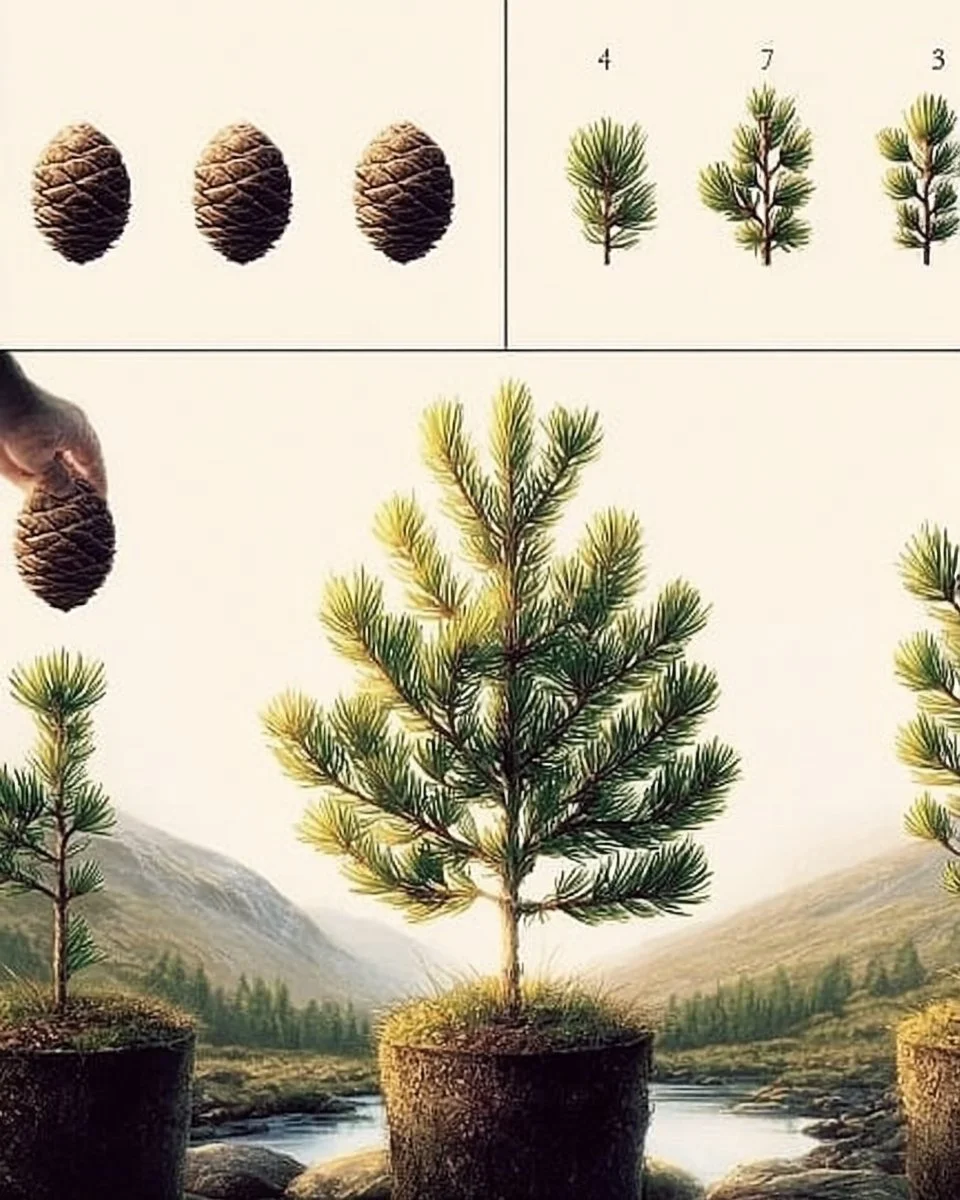
Have you ever been on a hike, marvelling at the tall, majestic pine trees that seem to reach all the way to the sky? These incredible organisms are more than just a feast for the eyes; they also hold a mystery that many people might not consider—their ability to reproduce through cones. If you’re intrigued by the idea of nurturing a beautiful pine tree right from a humble cone, you’re in the right place! In this guide, we’ll explore the fascinating process of growing a pine tree from a cone, covering everything from selecting the right cones to planting the seeds and caring for your young tree. So, let’s get our hands dirty and dive into the world of pine tree propagation!
Table of Contents
Understanding Pine Trees
Importance of Pine Trees
Pine trees have been an essential part of our ecosystems for centuries. They provide shelter and food for a variety of wildlife, from birds to squirrels. Moreover, they play a significant role in carbon sequestration, helping combat climate change. Have you ever thought about how amazing it is that you can grow one in your backyard?
Types of Pine Trees
There are over 100 species of pine trees, each with unique characteristics. From the towering Eastern White Pine to the hardy Ponderosa Pine, they can accommodate a range of climates and soil types. Knowing the variety you want to grow will help you understand its specific needs.
Collecting Pine Cones
When and Where to Find Cones
To start the adventure of growing a pine tree from a cone, timing is crucial. Pine cones typically ripen in the fall, so that’s the best time to look. You can often find them under mature pine trees in parks, forests, or even your neighborhood.
Selecting the Right Cones
Not all cones are created equal. You’ll want to choose those that are mature, usually brown and fully closed. Avoid green cones, as they are not yet ready to release seeds. It’s like picking the ripest fruit; the more mature the cone, the better your chances are of getting viable seeds.
Preparing for Germination
Cleaning the Cones
Once you’ve gathered your cones, it’s time to clean them. Remove any debris, such as twigs and dirt, by gently brushing them off. You may wish to leave the cones in a warm, dry place for a few days to help them fully open up.
Extracting Seeds
After your cones have dried out, they’ll begin to open, revealing the seeds inside. Carefully shake the cones over a shallow container to collect the seeds. Ensure you’re gentle to avoid damaging them—think of it like popping popcorn, but with more care!
Growing a Pine Tree From a Cone
Seed Treatment
Before planting, it’s vital to treat your seeds for successful germination. Some sources recommend a cold stratification process, where seeds are stored in the refrigerator for 30 days. This mimics winter conditions and signals to the seeds that it’s time to wake up and grow.
Planting the Seeds
Now comes the fun part! Fill small pots with seed-starting mix or a light, well-draining soil. Plant the seeds about ¼ inch deep and water them lightly. Place the pots in a sunny location but away from direct afternoon sun, which could scorch the delicate seedlings.
Caring for Your Pine Tree
Watering and Nutrition
Keep the soil moist but not soggy, ensuring — much like growing any plant — to water deeply when you do. You can start using a diluted fertilizer once the seedlings reach a few inches tall, which will help them thrive.
Sunlight and Location
Pine trees love sunshine. At this stage, ensure your seedlings are getting plenty of bright light, whether indoors near a window or outside. They thrive in full sun, so keep that in mind when choosing a location for your young tree.
Common Challenges and Solutions
Pests and Diseases
As your pine tree grows, you might encounter challenges such as pests or disease. Look out for signs like discolored needles or stunted growth. Many issues can be addressed with natural remedies or organic pesticides, so don’t fret if you notice anything unusual.
Weather Considerations
Young trees need extra attention during extreme weather conditions. During dry spells, be vigilant about watering, and ensure your tree is sheltered from harsh winds. A little care goes a long way in establishing a strong tree.
Conclusion
Growing a pine tree from a cone is an enriching experience that connects you with nature and teaches you patience and care. From collecting the perfect cones to watching your tiny seedling grow, the process is filled with joy and anticipation. Remember, each step is vital in nurturing your tree, and soon enough, you’ll have a beautiful pine to share with others and enjoy for years to come. So, go ahead—give it a try, and who knows, you might just end up with your very own forest in your backyard!
FAQs
What is the best time to collect pine cones?
The best time to collect pine cones is in the fall when they are fully matured and starting to open.
How long does it take for pine seeds to germinate?
Pine seeds generally germinate within two to four weeks, but this can vary depending on the species and conditions.
Do I need special soil for planting pine seeds?
A well-draining seed-starting mix is ideal, as it prevents the risk of rot while providing enough nutrients for young seedlings.
Can I grow a pine tree indoors?
Yes, but it will require a lot of sunlight and attention. Make sure to provide adequate light and consider transferring it outdoors as it grows.
What should I do if my seedling starts turning brown?
Brown seedlings can indicate overwatering, underwatering, or nutrient deficiencies. Check the soil moisture and provide a balanced fertilizer if necessary.