
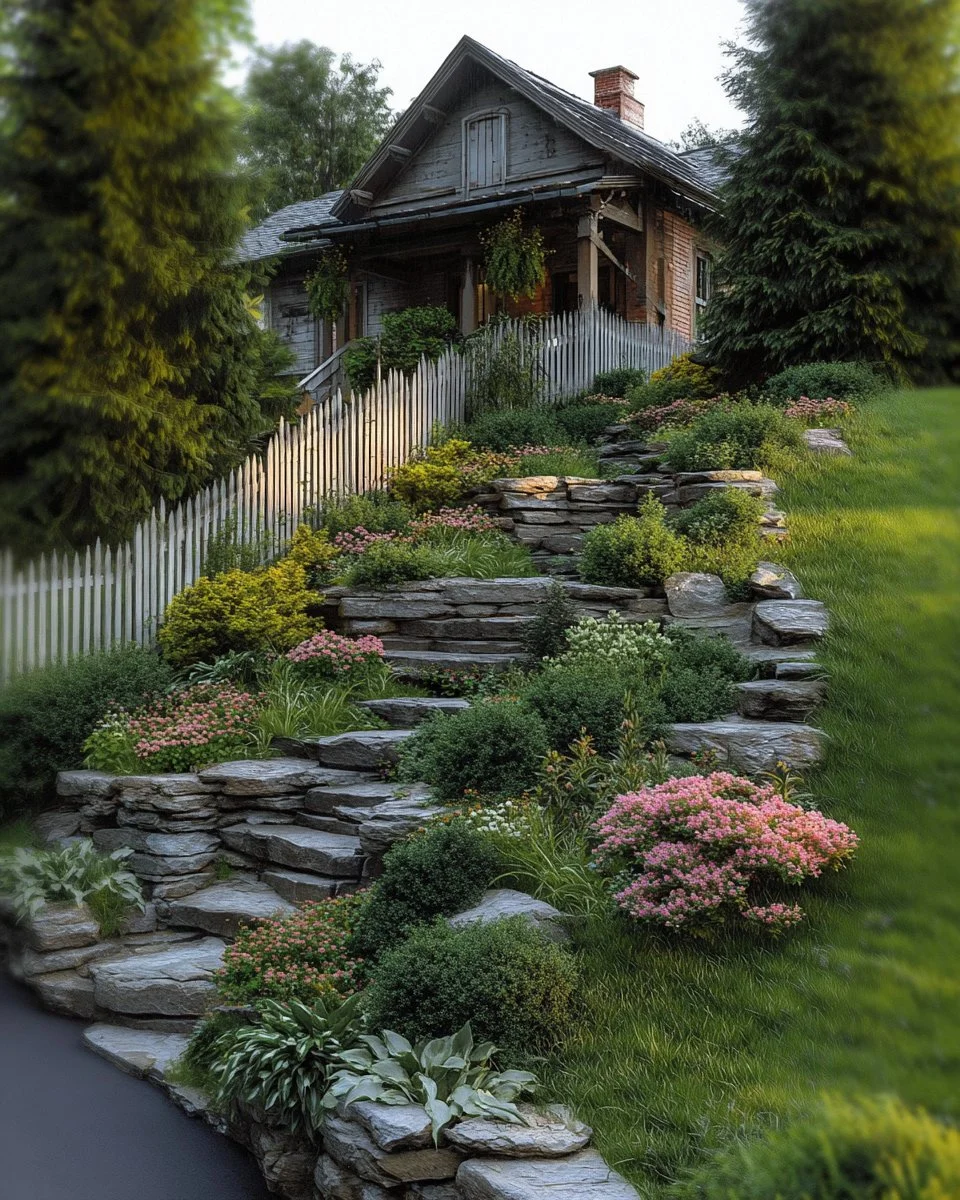
Have you ever found yourself staring at a sloped yard, wishing it could be transformed into something breathtaking? A steep incline can feel like a daunting challenge for many homeowners, but the truth is that it offers incredible potential for creativity. With the right ideas and a bit of imagination, you can turn that hill into an enchanting garden space that not only elevates your landscape but also enhances your outdoor living experience. In this article, we’ll explore 23 Sloped Yard Garden Ideas to Turn That Hill Into a Showstopper. You’ll discover practical tips, inspiring examples, and advice to help you make the most of your unique terrain.
Table of Contents
Creating Terraced Gardens
One of the most transformative ideas for a sloped yard is to create terraced gardens. Terracing not only makes it easier to manage a steep incline but also creates visually appealing levels that enhance your yard’s design.
Benefits of Terracing
Terraced gardens reduce soil erosion, making them ideal for slopes. They also provide distinct planting areas, giving you flexibility in planting different types of vegetables, flowers, or shrubs. Plus, they can add an interesting architectural element to your landscape design.
How to Design Your Terraces
When designing your terraces, start with a plan. Sketch the layout, considering how many levels you want and their dimensions. Loose-fill materials like gravel or stone can work well for retaining walls, and you might want to include steps between the levels for easy access. Consider adding a drip irrigation system for each terrace to optimize water usage and keep your plants happy.
Incorporating Steps and Pathways
Navigating a slope can be tricky, but adding steps and pathways can transform the experience. They not only provide access but also enhance the visual appeal of your yard.
Choosing the Right Materials
When selecting materials for your paths, think about both aesthetics and durability. Natural stone, concrete pavers, or even wooden steps can create a charming pathway that complements your landscape. Consider the slope’s steepness as well, ensuring your steps are safe and easily navigable.
Lighting Your Pathways
Pathway lighting is a wonderful addition, especially for evening strolls or gatherings. Incorporate solar-powered lights or low-voltage landscape lighting to illuminate your steps without overwhelming the beauty of the landscape.
Elevating with Plant Choices
A key component of any successful garden design is plant selection. Different plants can create height, fill spaces, and add color and texture, making your sloped yard come alive.
Selecting the Best Plants
Consider using a mix of perennials, annuals, shrubs, and ornamental grasses. Opt for plants that thrive in your local climate as well as those that can handle the steepness of your slope. Ground-cover plants like creeping thyme or sedum are excellent for preventing erosion, while taller plants can fill out the top or middle areas of your slope.
Layering for Aesthetic Appeal
Layering your plants creates depth and visual interest. Place taller plants at the back or top of the slope, and gradually work down to shorter plants as you move toward the front or bottom of the slope. This arrangement draws the eye through the garden and makes it feel more expansive.
Utilizing Retaining Walls
Retaining walls are another fantastic way to manage a sloped yard and create visually striking features.
Material Options for Retaining Walls
You have various materials to choose from, including stone, brick, or timber. Each material lends its own character to the garden. Stone walls can create a rustic feel, while a smooth timber wall can provide a modern touch.
Landscaping Around Retaining Walls
Consider planting along the base of the retaining walls with colorful flowers, vines, or even small shrubs to soften the edges. This not only enhances the visual appeal but also improves the structural integrity of the wall by adding plants that help hold the soil in place.
Maximizing Outdoor Living Spaces
An important aspect of transforming a sloped yard is incorporating comfortable outdoor living spaces.
Creating Relaxation Zones
Designate areas for seating, dining, or lounging. You might place a patio or deck at the top of your slope, providing views of the beautiful landscape below. Furniture should be durable and weather-resistant, ensuring you can enjoy your space throughout the seasons.
Adding Functional Features
Incorporate features such as fire pits, outdoor kitchens, or even hammocks for a cozy vibe. These elements will make your outdoor space a true extension of your home and a gathering place for friends and family.
Water Features for a Stunning Effect
Water features can bring serenity and a stunning focal point to your sloped yard.
Types of Water Features
Consider adding a small pond, waterfall, or fountain to your landscape. A waterfall cascading down your slope can create soothing sounds while also attracting wildlife, such as birds and butterflies.
Maintenance Tips for Water Features
Ensure you keep your water feature clean and free from debris. Regular maintenance not only keeps it looking great but also promotes a healthy ecosystem for any plants or animals you may have in or around the feature.
Sustainable Practices for Sloped Yards
Incorporating eco-friendly practices into your sloped yard will benefit both your garden and the environment.
Native Plants and Their Benefits
Choosing native plants for your garden is essential for sustainability. They’re adapted to your local climate and soil conditions, require less water, and attract native pollinators, which benefits the environment.
Implementing Rain Gardens
Consider creating a rain garden at the bottom of your slope. This is a planted depression that allows rainwater runoff from impervious surfaces to be absorbed. It not only helps manage stormwater but also provides habitat for wildlife.
Seasonal Considerations
Planning for different seasons is vital for keeping your sloped garden vibrant year-round.
Year-Round Interest
Select a variety of plants that provide seasonal interest. Choose flowering plants for spring, vibrant foliage in fall, and evergreens for winter texture. This thoughtful planning ensures your garden remains visually engaging no matter the season.
Seasonal Planting Ideas
Consider incorporating annual flowers or seasonal vegetables that will rotate through your garden throughout the year. This not only allows you to enjoy fresh produce or blooms but also maintains a dynamic space.
Conclusion
Transforming a sloped yard is an exciting opportunity to enhance your home and create a visually stunning space. With 23 Sloped Yard Garden Ideas to Turn That Hill Into a Showstopper, you can breathe new life into what might feel like a challenging landscaping task. Remember the importance of strategic planning, the right plant choices, and sustainable practices—they’ll help ensure your garden flourishes while also leaving a positive impact on the environment. So, roll up your sleeves and get started on making that slope a beautiful asset to your outdoor living experience!
FAQs
What is the best way to prevent erosion on a sloped yard?
Using terraced gardens, ground cover plants, and retaining walls are effective methods to prevent erosion on sloped yards.
Can I use fruit trees in a sloped garden?
Yes, fruit trees can thrive in a sloped garden if you ensure proper drainage and sunlight exposure. Consider dwarf varieties for easier maintenance.
What types of flowers work best for sloped yards?
Perennial flowers such as daylilies, coneflowers, and black-eyed Susans are great options for sloped yards due to their resilience and minimal maintenance.
How do I maintain a water feature in my sloped yard?
Regularly clean the water feature, check pond filters, and ensure that water levels are sufficient. Also, monitor for plant growth and algae.
Is it safe to plant large trees on a slope?
Large trees should be approached with caution, as their root systems can destabilize soil. Opt for smaller or native trees with shallower roots that can enhance your landscape without risking erosion.