
Have you ever felt that rush of excitement when you spot a garden bursting with beautiful blooms? That’s the magic of hydrangeas! If you’re dreaming of transforming your garden into a vibrant paradise, you’re in the right place. In this article, we’ll uncover the secrets of how to choose the best hydrangeas for your garden, ensuring you pick the perfect varieties that will thrive under your care and compliment your outdoor space. You’ll learn about different types, care instructions, and design tips that breathe life into your green sanctuary. Get ready to dig deep into the colorful world of hydrangeas!
Table of Contents
Understanding Hydrangea Varieties
Choosing the right variety of hydrangea starts with understanding the different types available. Hydrangeas are not a one-size-fits-all plant; knowing what each variety offers can enhance your selection.
Mophead Hydrangeas
Mophead hydrangeas are known for their large, globular flower heads. They come in a range of colors, from pink and blue to white, depending on the soil pH. These hydrangeas thrive in zones 3-9 and can grow quite large, making them perfect for creating statement entries or borders in your garden.
Lacecap Hydrangeas
Unlike their mophead cousins, lacecap hydrangeas have a flatter appearance with smaller, intricate flowers surrounded by larger ones. They boast a unique beauty and are often seen as more delicate in design. These hydrangeas are particularly suitable for shaded areas in your garden and can add an exquisite touch wherever they’re planted.
Panicle Hydrangeas
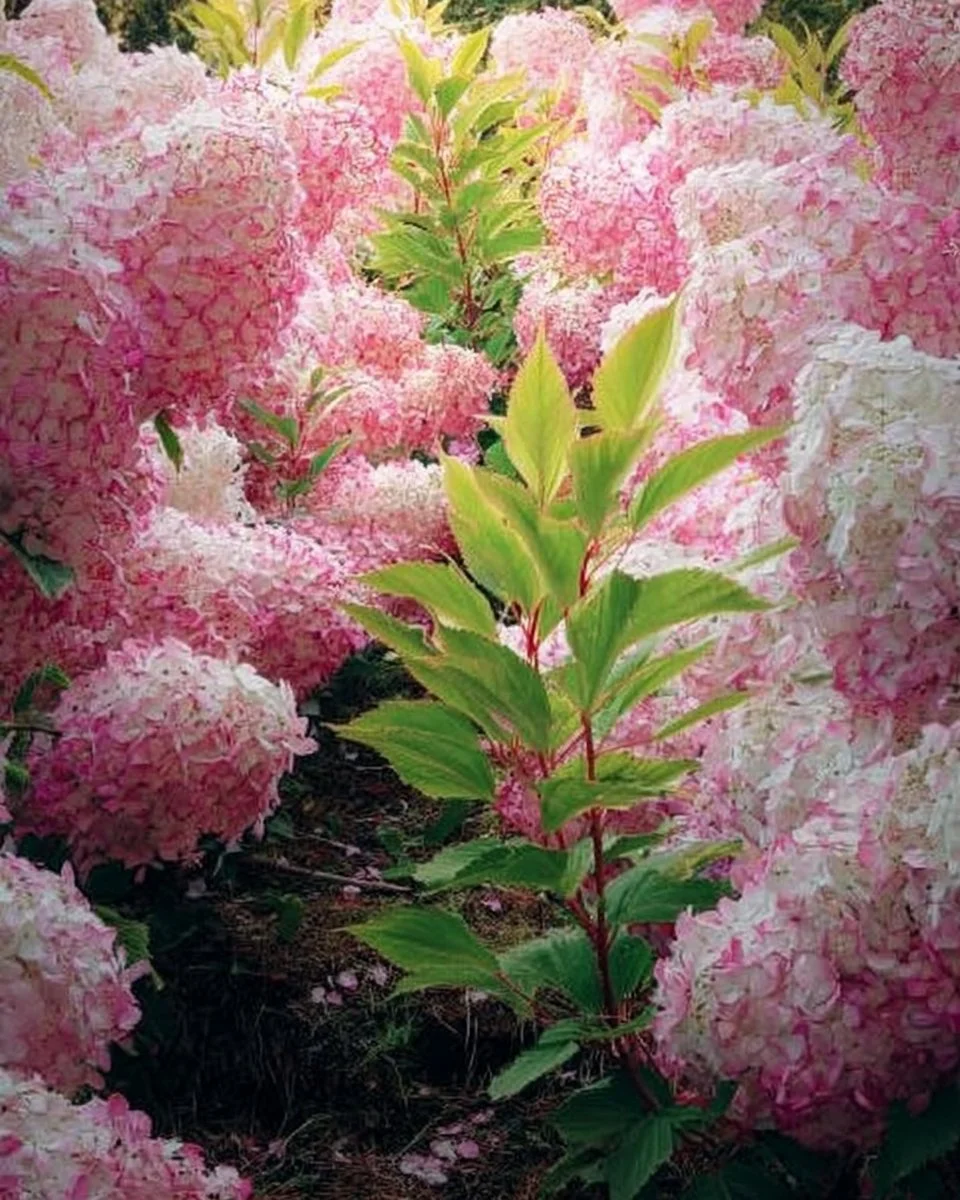
Panicle hydrangeas, or Hydrangea paniculata, are recognized for their cone-shaped flower clusters. They are incredibly adaptable and can tolerate a range of soils and climates. If you’re looking for a hydrangea that offers reliable blooms in vertical spikes, this variety might just be the one for you.
Assessing Your Garden Conditions
Now that you’re familiar with the types of hydrangeas, the next step is to assess your garden conditions. Understanding what your garden provides will guide your hydrangea selection.
Sunlight Requirements
Most hydrangeas thrive in partial shade, but some, like panicle hydrangeas, prefer full sun. Evaluate the sun exposure in your garden throughout the day. Do you have shaded areas where beautiful blooms could fit? If the sunlight is limited, consider varieties that flourish in less sunshine.
Soil Preferences
Hydrangeas are adaptable, but they do thrive in well-draining, loamy soils. One intriguing aspect of hydrangeas is their color, which can be influenced by the soil’s pH. Acidic soils yield lovely blue blooms, whereas alkaline soils shift the hues to pink. Testing your soil pH could not only impact color but also plant health.
Climate Considerations
Different hydrangeas can tolerate various climates. While mophead hydrangeas are frost-sensitive, panicle hydrangeas are hardier. Determine your USDA hardiness zone and choose hydrangeas suited to your specific climate.
Planning Your Garden Design
With the right hydrangeas in mind, it’s time to plan your garden design. This stage is where your creative instincts will shine!
Color Combinations
The floral beauty of hydrangeas can be stunning, but pairing them correctly can elevate the aesthetic of your garden. Soft pastels create a serene atmosphere, while vibrant colors can bring a lively energy to the space. Think about the colors of your home and other plants—how do you want your hydrangeas to complement them?
Height and Size
Consider the size of your hydrangeas at maturity. Taller varieties like panicle hydrangeas can be used at the back of borders, while smaller varieties look great as front row accents. This layering effect creates depth and visual interest.
Seasonal Interest
Hydrangeas can provide varying interest throughout the seasons. While blossoms in spring and summer are breathtaking, dried flowers can create a rustic look in fall and throughout winter. Choose varieties that will keep your garden appealing year-round.
Care and Maintenance Tips
Once your hydrangeas are in the ground, maintaining their health is critical. Let’s dive into some essential care tips.
Watering Hydrangeas
Hydrangeas love water. In hotter months, ensure they receive plenty of moisture, especially newly planted ones. A good rule of thumb is to water them deeply at least once a week. Keeping the soil consistently moist—but not soggy—will help their growth.
Pruning Techniques
Pruning hydrangeas can seem intimidating, but it’s necessary for thriving plants. Mophead hydrangeas should be pruned carefully, mostly right after blooming, while panicle types can be pruned in late winter or early spring to promote healthy new growth. Learning your specific hydrangea’s needs is essential for optimal flowering.
Fertilizing for Health
Fertilizing is another important aspect of hydrangea care. Using a balanced, slow-release fertilizer once in spring can boost growth and blooming. But beware of over-fertilization, as it can harm your plants.
Common Pests and Problems
Just like any other plant, hydrangeas can face some challenges. Knowing how to identify and address these issues will help keep your garden healthy.
Identifying Pests
Common pests like aphids and spider mites can affect hydrangeas. You’ll want to keep an eye out for any unusual changes in your plants—sticky leaves or webbing could indicate a pest problem. Early intervention is key!
Disease Management
Powdery mildew and root rot are common diseases affecting hydrangeas. Ensure proper airflow and avoid excessive watering to prevent these issues. If contamination occurs, you may need to remove affected parts or use appropriate fungicides.
Environmental Stress Factors
Hydrangeas can also suffer from environmental stresses, such as extreme temperatures or drought. They may droop under stress, so it’s essential to provide adequate care and timely intervention.
Conclusion
Choosing the best hydrangeas for your garden should now feel more straightforward and enjoyable. Remember to consider the various types of hydrangeas, assess your garden’s specific conditions, plan thoughtfully for design, and employ proper care techniques. Hydrangeas are a fantastic way to enhance your outdoor space and provide stunning blooms for years to come. So go ahead, and start your hydrangea journey!
FAQs
What are the best hydrangeas for a beginner gardener?
For novice gardeners, mophead and panicle hydrangeas are great selections due to their flexibility and hardiness.
How do I change my hydrangea colors?
To change bloom colors, adjust soil pH: add aluminum sulfate for blue and lime for pink.
When is the best time to plant hydrangeas?
The ideal time to plant hydrangeas is in spring or fall, allowing roots to establish during cooler weather.
Can I grow hydrangeas in pots?
Yes! Many hydrangeas thrive in pots as long as they get adequate sunlight and are watered regularly.
How long do hydrangeas bloom?
Hydrangeas typically bloom from late spring to early fall, depending on the variety and climate.