
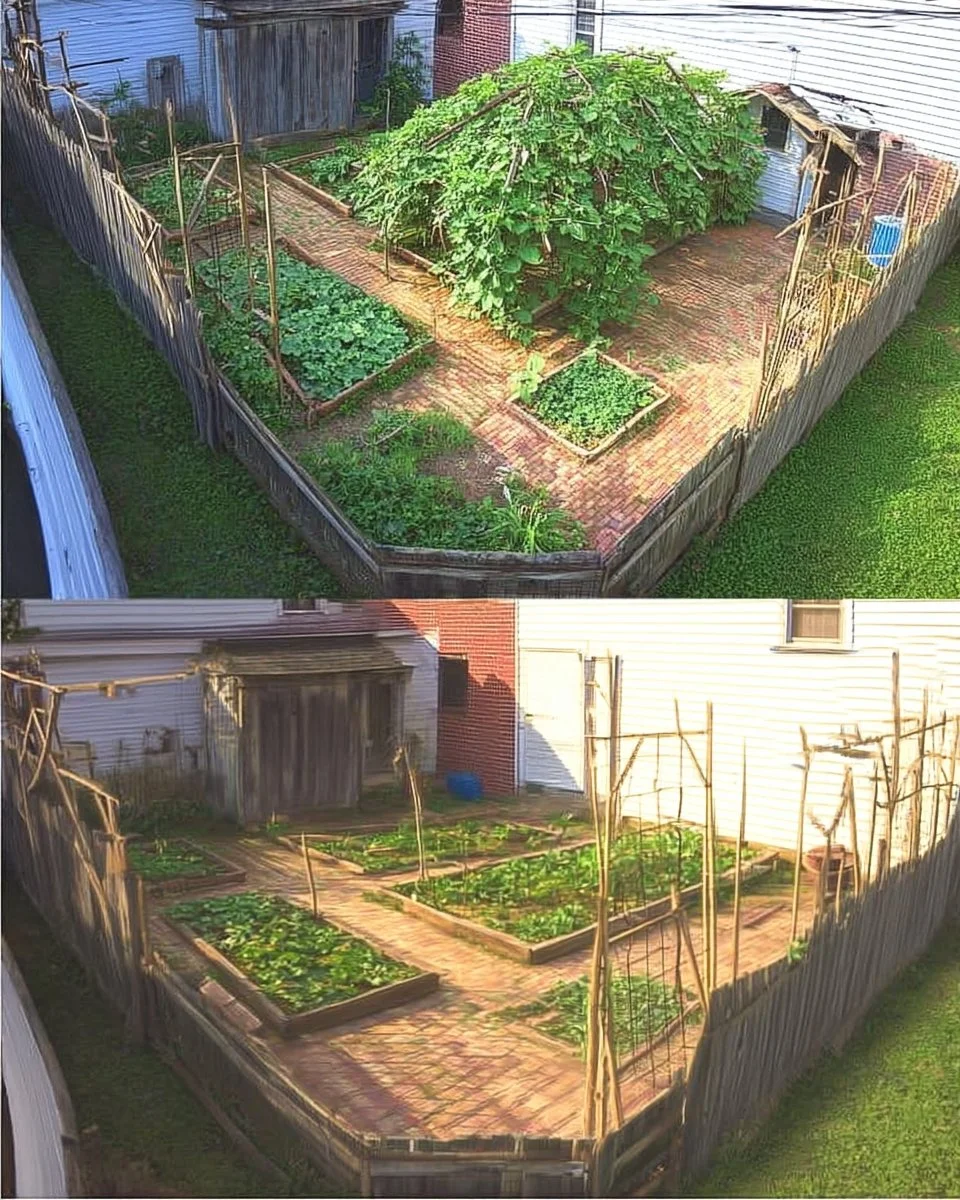
Gardening can feel like a journey into nature’s very own art gallery, brimming with colors, aromas, and fresh produce. Have you ever strolled through a farmer’s market, noticed the vivid displays of vegetables, and thought, “I could grow something like that in my own backyard!”? With a little creativity and planning, you definitely can! In this guide, we’ll dive into 25 inspiring vegetable garden design ideas that will transform your plot into a thriving paradise of greens, reds, and yellows.
Whether you’re a seasoned gardener or a newbie just getting your hands dirty, these ideas will spark your imagination and help you create a space that’s not only productive but also a reflection of your style. You’ll learn about layouts that maximize space, companion planting tips, and aesthetic designs that invite you to spend time in your garden. Let’s get started!
Table of Contents
Designing Your Vegetable Garden
When it comes to the design of your vegetable garden, the first step is about envisioning how you want your space to function. A well-thought-out design not only enhances aesthetics but can also improve your gardening success. So let’s explore some key considerations.
Choosing the Right Location
The site of your vegetable garden can make all the difference. Ideally, look for an area that receives at least six hours of sunlight daily. Are there any trees around that might cast shadows? It’s also important to consider accessibility. You want a spot that’s close to your kitchen, so you can easily pick fresh ingredients when preparing meals.
Understanding Sunlight and Soil
Knowing what type of soil you have can influence the selection of the vegetables you grow. Conduct a simple test by grabbing a handful of soil, moistening it, and trying to shape it into a ball. If it holds together, you’ve got clay soil, which offers nutrients but can hold too much moisture. Sandy soil, on the other hand, drains well but may not have the nutrients your plants need. With this knowledge, you can enhance your soil with compost or other organic materials to create the best growing environment for your plants.
Creative Layout Ideas
Now that you’ve identified the best location and understood your soil’s properties, let’s get into some creative layout ideas.
Raised Beds and Container Gardens
Raised beds are an excellent choice for maximizing yield while minimizing weeds. You can build them from wood, stone, or even repurpose old furniture! Each raised bed can be tailored to a specific crop’s needs. For instance, plant deep-rooted vegetables like carrots in one bed and leafy greens in another.
Container gardens are also fantastic, especially if space is at a premium. Have you ever noticed how strawberries thrive in hanging baskets? Containers allow you to experiment with different layouts and can bring pops of color to small spaces such as patios or balconies.
Vertical Gardening Solutions
If you’re short on space, vertical gardening can transform walls or fence lines into vertical harvests. By using trellises or wall planters, you can grow climbing plants like cucumbers and beans while keeping the ground free for other crops. This not only saves space but adds another visual element to your garden. Imagine a wall of flourishing green beans that also acts as a privacy screen!
Companion Planting Tips
One of the best ways to optimize your vegetable garden design is by using companion planting strategies. This method involves growing certain plants in proximity for mutual benefits, like pest control and enhanced growth.
Beneficial Plant Combinations
For instance, planting marigolds among your vegetables can deter pests. Moreover, pairing tomatoes with basil not only enhances flavor but can also help both plants thrive. Have you ever tried Mexican marigold with your peppers? It’s a crowd pleaser!
Natural Pest Control
Natural pest deterrents help to manage unwanted visitors without resorting to chemicals. Consider planting garlic around your garden; its strong aroma keeps many pests at bay. Remember that your garden can be a harmonious ecosystem when you use these natural strategies.
Seasonal Vegetable Selection
To enjoy a bounty from your garden all year, consider what crops thrive in which seasons.
Planning for Year-Round Harvests
Start by gardening in staggered cycles. By planting quick-growing crops like radishes between slower ones like brussels sprouts, you can have a continuous harvest. If you plant a mix of spring peas and fall garlic, you’ll enjoy diverse flavors throughout the seasons.
Choosing Varieties for Your Climate
Every region has its unique climate, affecting what vegetables will grow best for you. Research local varieties that do well in your area. Heirloom tomatoes, for instance, may be easier to grow if your summer is long and warm!
Aesthetic Elements in Vegetable Gardens
Gardening can also be an art form, and incorporating aesthetic elements elevates your vegetable garden into a landscape feature.
Incorporating Color and Texture
Do you want to be inspired by color? Consider planting colorful vegetables like purple carrots or bright yellow peppers. Furthermore, planting flowers around the edges can attract pollinators while adding bursts of color. The juxtaposition of different textures adds a layer of interest to your garden design; think about how the broad leaves of squash plants contrast with the delicate blossoms of zucchini.
Incorporating Paths and Borders
Designing pathways between planting beds not only creates a neat visual element but also makes maintenance easier. You can use gravel, wood chips, or paving stones to create inviting paths that encourage strolls through your garden. A well-defined border with stones or bricks can frame your vegetable plots and give a tidy, organized feel.
Maintenance and Care Strategies
Lastly, a beautiful garden requires ongoing maintenance, but with a few strategies, it can become a joyful ritual rather than a chore.
Essential Maintenance Tips
Regular watering, weeding, and checking for pests are critical to success. Try to set aside a bit of time each week to stroll through your garden. It’s a great way to unwind, and you’ll catch potential problems early.
Tools and Resources for Success
Investing in a good set of hand tools can make a world of difference. Consider ergonomic tools designed for ease, especially if you’re gardening in small spaces. Joining local gardening clubs or online communities can also provide valuable insights and tips tailored to your specific region.
Conclusion
Creating a vegetable garden that delights the senses and provides fresh produce is within reach for anyone willing to put in a little effort and imagination. With these 25 inspiring vegetable garden design ideas, you can bring your vision to life—whether through unique layouts, companion planting strategies, or beautiful aesthetics. Remember, gardening is as much about enjoying the journey as it is about the destination.
So take a deep breath, roll up your sleeves, and start your gardening adventure today!
FAQs
1. What vegetables are the easiest to grow for beginners?
Beginner-friendly vegetables include radishes, lettuce, and zucchini—these tend to thrive with minimal care.
2. How often should I water my vegetable garden?
While it depends on your climate, a general rule is to water when the top inch of soil feels dry. It’s better to water deeply once a week than to do it lightly every day.
3. Can I grow vegetables in pots?
Absolutely! Many vegetables thrive in pots, making them perfect for small spaces. Just ensure the pots have proper drainage.
4. What’s the best way to deal with pests?
Natural methods include introducing beneficial insects like ladybugs or using barriers like row covers.
5. How do I prepare my soil for planting?
Start by testing your soil, then amend it with organic matter like compost. Tilling the soil can also improve aeration and drainage.