
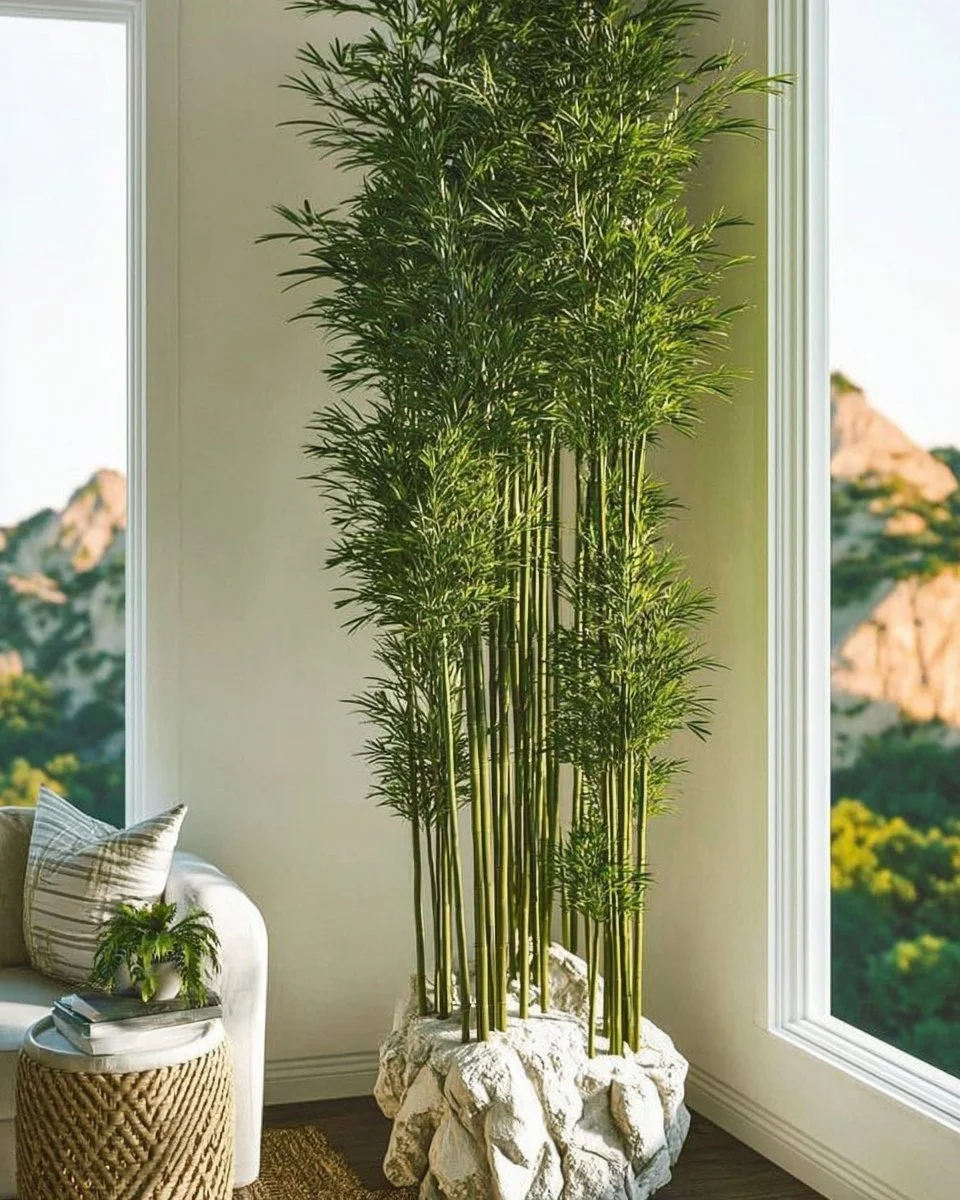
Have you ever felt like your home is a safe haven, yet something is still triggering your allergies or asthma? You’re not alone! Many people struggle with indoor air quality, often without realizing that their beloved houseplants could actually be part of the problem. The good news is that there are specific plants that can help mitigate these issues, making your living space both beautiful and healthier. In this article, we’ll explore the 10 Best Indoor Plants For Allergies And Asthma and showcase what makes each one an excellent choice for improving indoor air quality while minimizing allergy and asthma symptoms.
From vibrant foliage to soothing scents, these plants not only purify the air but also bring a sense of calm to any room. Let’s dive into how these wonderful indoor companions can help you breathe easier!
Table of Contents
Indoor Plants and Air Quality
Importance of Indoor Plants for Allergies and Asthma
Indoor plants can significantly contribute to improving air quality. According to research by NASA, certain plants can remove common indoor air pollutants like formaldehyde, benzene, and carbon monoxide. For those suffering from allergies and asthma, this is particularly crucial. Poor indoor air quality can exacerbate symptoms, leading to discomfort and health issues.
How Plants Purify Air
Plants purify air through a process called phytoremediation. They absorb toxins through their leaves and roots, converting them into harmless substances. Moreover, they also release oxygen as a byproduct of photosynthesis. In essence, having greenery indoors is akin to having a natural air filter that can reduce airborne irritants and allergens.
The 10 Best Indoor Plants For Allergies And Asthma
Let’s take a closer look at these 10 Best Indoor Plants For Allergies And Asthma. Each of these plants can help improve your indoor environment while fitting seamlessly into your home décor.
Spider Plant
The Spider Plant is renowned for its air-purifying abilities, capable of removing pollutants such as formaldehyde and xylene. It’s also incredibly easy to care for and thrives in a variety of conditions. This resilient plant produces “baby” spiders that can be propagated easily, making it a wonderful choice for beginners and seasoned plant enthusiasts alike.
Peace Lily
With its elegant blooms and glossy leaves, the Peace Lily doesn’t just beautify your space; it also excels at filtering out harmful toxins like ammonia and benzene. However, keep in mind that it’s mildly toxic if ingested, so it’s best to keep this beauty away from pets and small children.
Boston Fern
Boston Ferns are fantastic for adding humidity to the air, a boon for those with asthma. They prefer moist environments and can effectively remove formaldehyde and other pollutants. A little extra care is needed to keep the soil constantly moist, but their lush fronds are worth the effort.
Rubber Plant
The Rubber Plant is a strong contender among the best air purifiers. Not only does it thrive in low light, but it’s also effective at removing toxins like formaldehyde from the air. Plus, its large, glossy leaves can make a bold statement in your home.
Bamboo Palm
The Bamboo Palm adds a tropical feel to any indoor space and is known for its knack for filtering out harmful chemicals, especially formaldehyde and benzene. It thrives in low light conditions and enjoys humidity, making it perfect for bathrooms or kitchens.
Aloe Vera
Beyond its well-known skin-healing properties, Aloe Vera also serves as a natural air purifier by absorbing carbon dioxide at night and releasing oxygen, making it perfect for bedrooms. It’s an easy-care plant with a forgiving nature, making it ideal for both new and experienced plant parents.
Snake Plant
Snake Plants, or Mother-in-Law’s Tongue, are almost indestructible and are famous for their ability to absorb toxins while also producing oxygen at night. Their angular leaves add a modern touch to your home, and they require minimal watering, making them a low-maintenance choice.
Dracaena
Dracaena plants come in various varieties and are known for their ability to filter out benzene, formaldehyde, and trichloroethylene. They can grow quite tall, making them suitable for filling empty corners and making a bold indoor statement while improving air quality.
Pothos
Pothos is another low-maintenance plant that can help improve indoor air quality by filtering out formaldehyde and other toxins. Its trailing vines make it a great option for hanging baskets or as a tabletop centerpiece, and it’s quite forgiving of neglect.
Lavender
While not a traditional air purifier, Lavender offers calming properties that can help reduce stress and promote better sleep. It’s known to repel insects, making it a great choice for bedrooms or living areas where reducing allergens is key.
How to Care for Indoor Plants
General Care Tips
Caring for indoor plants doesn’t have to be daunting. Most of these plants require basic care like:
- Regular watering, but ensure you avoid overwatering.
- Understanding light requirements; most prefer indirect sunlight.
- Monthly fertilization during the growing season will keep them thriving.
Signs of a Healthy Plant
Healthy plants usually exhibit vibrant foliage and robust growth. Keep an eye out for signs such as:
- Bright, lively color without browning edges
- Sturdy stems
- New leaf growth
If your plant shows signs of distress, it may be time to reassess its care conditions.
Creating the Perfect Plant Environment
Light and Humidity Needs
Each plant has specific needs when it comes to light and humidity. For instance, the Peace Lily prefers brighter environments yet thrives out of direct sunlight, while the Boston Fern loves humidity and can benefit from misting.
Arrangement Tips for Maximum Benefit
Positioning is essential for maximizing the benefits of indoor plants. Place air-purifying plants in areas where you spend the most time—like the living room or bedroom. Arrange taller plants like Dracaena in corners and hang trailing plants like Pothos in spots where they can cascade beautifully.
Conclusion
Selecting the right indoor plants can profoundly influence your health and comfort, particularly if you suffer from allergies or asthma. The 10 Best Indoor Plants For Allergies And Asthma not only enhance your home’s aesthetic but also contribute to a healthier indoor breathing environment. With the right care and placement, these plants can become both your green companions and your allies in combating indoor allergens. So go ahead and bring some greenery into your space—your lungs will thank you!
FAQs
Can indoor plants really help reduce allergy symptoms?
Yes, certain indoor plants can filter out allergens like pollen and dust and improve air quality, thereby reducing allergy symptoms.
How often should I water my indoor plants?
Watering frequency varies by plant type. Generally, it’s best to check the soil; if it’s dry an inch down, it’s time to water.
Are there any plants to avoid if I have allergies?
Some plants can produce pollen or mold, which can worsen allergies. Examples include flowering plants and some types of ferns.
Do I need special soil for indoor plants?
Using a good quality potting mix is recommended, as it helps with drainage and provides essential nutrients for plant growth.
What if I don’t have a green thumb?
Start with low-maintenance plants like the Snake Plant or Pothos. They’re forgiving and require minimal care, making them perfect for beginners!