
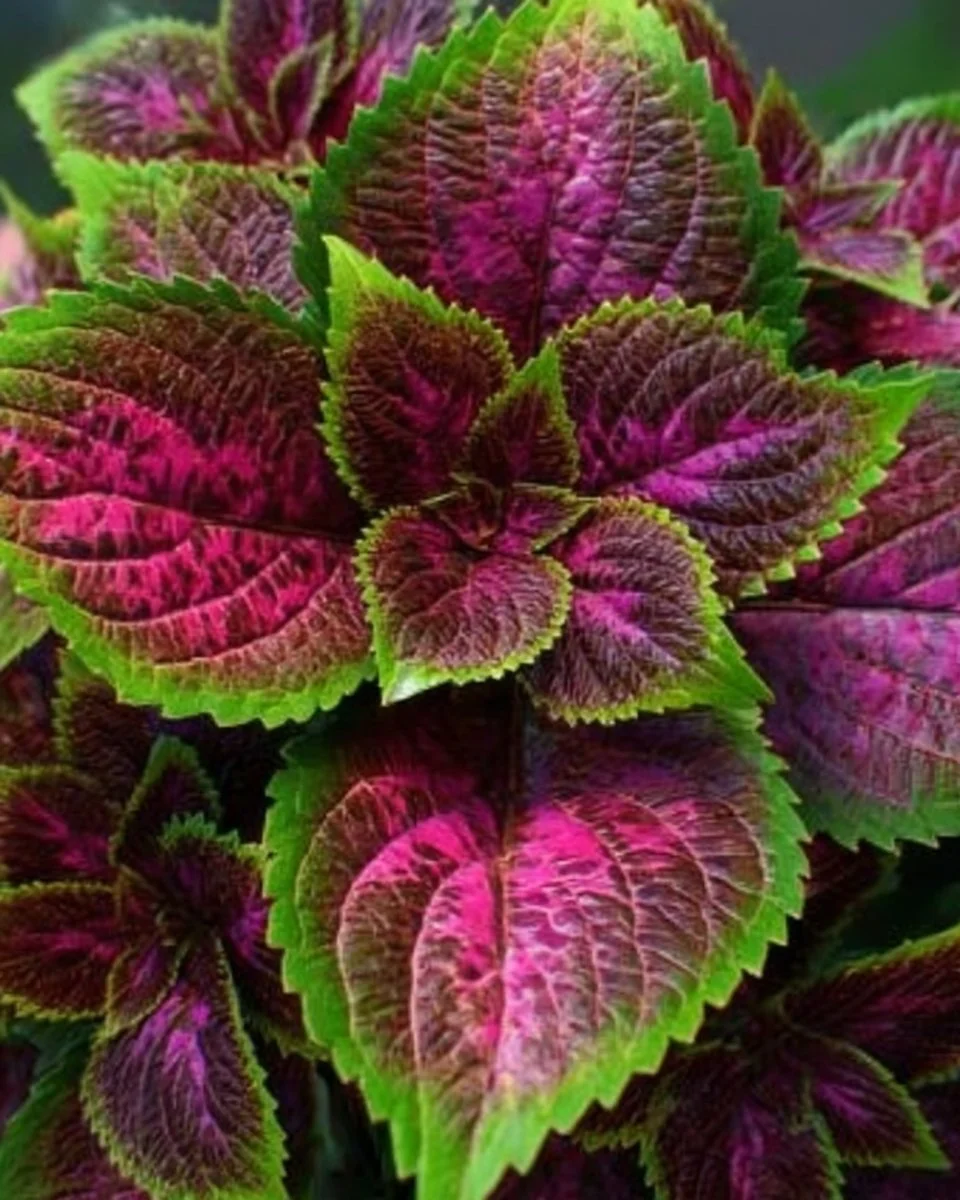
Have you ever strolled through your garden and felt a little downcast when you reached those shady corners? It’s a common dilemma; many of us enjoy the warmth of sun-drenched blooms, but unfortunately, not every garden space gets that glorious sunlight. Don’t worry, though! If you’re looking to create a vibrant oasis even in less-than-sunny spots, you’re in the right place. In this article, we’ll explore 25 Shade Loving Perennials To Brighten Up Shady Spots. From lush foliage to colorful flowers, these hardy plants will not only survive but thrive in your shady areas. Let’s dive into this green wonderland and discover how to transform neglected spaces into lush retreats!
Table of Contents
Choosing the Right Shade Loving Perennials
Navigating the path to selecting the right shade-loving perennials for your garden can feel overwhelming, but it doesn’t have to be! Understanding a few key factors can make this journey much smoother.
Understanding Light Levels
Before you start planting, assess how shady your spots really are. Some areas might receive dappled sunlight, while others may be completely shaded. This is crucial for choosing the right plants. For instance, plants like hostas prefer heavy shade, whereas others, such as astilbes, can tolerate some sunlight. A simple way to determine light levels is to observe the area at different times of the day.
Assessing Soil Conditions
Another essential factor is soil quality. Shady areas often have different soil moisture content due to limited sunlight. Conduct a soil test to check pH and nutrient levels. Wouldn’t it be frustrating to plant gorgeous perennials only to have them struggle due to poor soil? If you discover that your soil is lacking, consider amending it with organic matter or compost before planting. This simple step can lead to thriving perennials and a vibrant garden display!
Annuals vs. Perennials: What’s the Difference?
It’s important to understand the distinction between annuals and perennials as you venture into choosing plants for your garden. Annuals bloom for one season and then die, requiring you to replant every year. Perennials, on the other hand, come back year after year, providing a lasting impact in your garden.
When thinking about incorporating 25 Shade Loving Perennials To Brighten Up Shady Spots, you’ll appreciate the long-term beauty they bring without the hassle of annual replanting. Your investment in perennials will pay off in dividends as they fill your shady spaces with color year after year.
Top 25 Shade Loving Perennials
Let’s explore the star players of shaded gardens! Here’s a list of the 25 Shade Loving Perennials To Brighten Up Shady Spots, organized by color and foliage characteristics.
Colorful Options
- Astilbe: Known for its feathery plumes, astilbe flowers can range from white to pink and red. These perennials shine in moist soils, adding vibrant color to your garden.
- Pulmonaria (Lungwort): With lovely spotted leaves and charming blue or pink flowers, lungwort is perfect for early spring. It’s also a great ground cover!
- Tricyrtis (Toad Lily): This unique perennial boasts delicate, orchid-like flowers that bloom in late summer and fall. They thrive in shade and add exotic flair to your garden.
- Bergenia: Known for its large, leathery leaves and tall pink blossoms, bergenia blooms in late winter to early spring. Its foliage continues to look great throughout the year.
- Heuchera (Coral Bells): With a wide variety of colors, from deep purple to bright red, coral bells are a great choice for adding vibrancy with their unique leaf shapes.
Foliage Favorites
- Hostas: One of the most popular shade perennials, hostas come in numerous varieties, offering a lush display of leaves in colors ranging from deep green to blue and variegated patterns.
- Brunnera (False Forget-Me-Not): Featuring lovely blue flowers and heart-shaped leaves, brunnera is a standout choice for moist, shaded areas.
- Ferns (Various Species): Add texture and movement with ferns! Factors like size and shape vary across species, giving variety in looks while thriving in a shady environment.
- Ligularia: Its large leaves provide dramatic foliage, while its tall yellow blooms in mid-summer add pops of color that bring joy to shaded landscapes.
- Rudbeckia (Black-Eyed Susan): While many associate this plant with sunny spots, there are varieties, like ‘Goldsturm,’ that perform beautifully in partial shade.
Design Ideas for Shady Spots
Creating a garden that is both visually appealing and functional in shaded areas can be a delightful project. Here are some ideas that can inspire you to design your shady corners more creatively.
Creating a Tranquil Retreat
Consider building a cozy nook using seating, surrounded by enchanting perennials. A few benches nestled among lush ferns, hostas, and astilbes can create a peaceful retreat, perfect for relaxation. Imagine the soothing sounds of nature as you sip your morning coffee in this calm environment.
Mixing Textures and Colors
Another engaging approach involves mixing different textures and colors within your shade-loving perennial collection. Combine large-leafed hostas with delicate lungwort and vibrant astilbe to create an exciting visual dynamic. Layering plants of varying heights can also add depth and interest. Have you ever wandered into a garden and felt an instant connection because of the unique combinations? That’s the power of thoughtful design!
Care Tips for Shade Loving Perennials
To ensure that your 25 Shade Loving Perennials To Brighten Up Shady Spots flourish throughout the seasons, implementing a few care tips is essential.
- Water Wisely: Shaded areas can have varied moisture levels, so check the soil’s moisture content regularly. Be cautious not to overwater; most shade-loving perennials prefer evenly moist soils.
- Mulching: Apply a layer of mulch to help retain moisture and combat weeds. Organic mulch not only adds beauty but also breaks down over time to improve soil health.
- Fertilization: During spring, apply a slow-release balanced fertilizer to provide essential nutrients. This helps your perennials kick-start their growing season!
- Pruning: Keep your garden tidy by removing spent flowers and dead foliage. This encourages new growth and can help prevent diseases.
Seasonal Considerations for Your Shade Garden
Shady spots can change dramatically with the seasons, which is why it’s essential to consider them when planning your planting. Some plants may perform better during certain times of the year.
In early spring, you can enjoy the blooms of ice plants and lungwort. During summer, ferns can fill the garden with lush greenery, while fall brings the stunning colors of astilbe and hydrangeas.
Creating a year-round interest in your shade garden means incorporating a diverse range of perennials! Each season should bring new beauty, keeping your garden fresh and inviting.
Conclusion
Transforming shaded spots into vibrant spaces can feel like a daunting task, but with the right approach and a selection of carefully chosen plants, it becomes an enjoyable endeavor! The 25 Shade Loving Perennials To Brighten Up Shady Spots make creating a captivating, lively garden possible, even where sunlight is less prevalent. Your efforts to nurture shade-loving plants not only helps in blooming colors but also offers a peaceful retreat amidst your busy life. So, roll up your sleeves, grab those plants, and let’s start brightening up your shady spots today!
FAQs
What are the best perennials for deep shade?
Some of the best perennials include hostas, ferns, and astilbes, which thrive in low-light conditions.
Can shade-loving plants also tolerate some sun?
Many shade-loving plants can tolerate partial sun. Be sure to check individual plant requirements for optimal growth!
How do I maintain my shade garden?
Regular watering, mulching, and seasonal pruning are essential to keeping your shade garden thriving and beautiful.
Are there any flowering perennials for shade?
Absolutely! Varieties like astilbe, lungwort, and toad lilies provide colorful blooms even in shady areas.
Do shade-loving plants attract pollinators?
Many shade-loving perennials, like astilbe and brunnera, can attract butterflies and bees, adding life to your garden!