
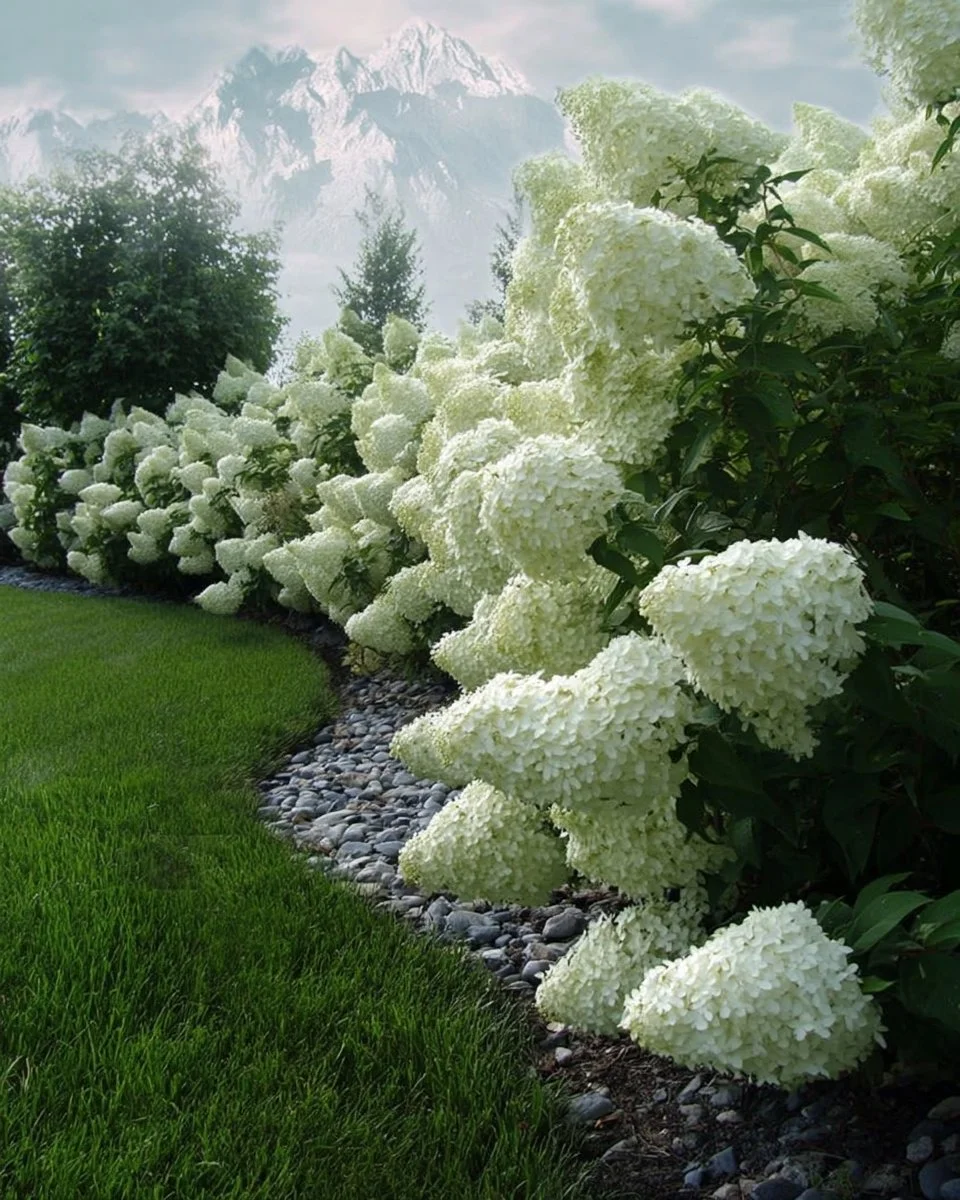
Have you ever strolled through a garden and been captivated by a breathtaking display of vibrant blooms? The thrill of discovering lush greenery and colorful flowers can be one of life’s simple pleasures. One plant that often steals the spotlight is the Limelight hydrangea. Known for their stunning large flower heads and unique lime green hue that turns to creamy white, these hydrangeas are a favorite for gardeners and landscape designers alike.
In this article, you’ll learn everything you need to know about Limelight hydrangeas, including how to care for them, when to prune, and tips for creating a breathtaking garden display. Let’s dive into the world of these magnificent blooms!
Table of Contents
Understanding Limelight Hydrangeas
Limelight hydrangeas are a deciduous shrub that belongs to the Hydrangea paniculata species. They are renowned for their massive flower clusters, which can reach up to 12 inches long. The initial lime-green color is a refreshing sight during the growing season, and as they mature, they change to a soft white, eventually turning a lovely rose-pink in the fall. This transformation adds layers of visual interest to any garden.
Characteristics of Limelight Hydrangeas
These hydrangeas can grow up to 6-8 feet tall and wide, providing an excellent backdrop for other flowering plants. They are relatively hardy and can thrive in USDA zones 3-9, making them versatile for various climates. The flowers are also a magnet for pollinators, including bees and butterflies, enhancing the overall biodiversity of your garden.
Ideal Growing Conditions
Limelight hydrangeas love full sun to partial shade. A location that receives at least six hours of sunlight is ideal for them to bloom at their best. They perform well in moist, well-drained soil but are adaptable to various types of soil as long as drainage isn’t an issue.
Planting Limelight Hydrangeas
When it comes to planting these stunning hydrangeas, timing and location matter greatly.
Best Time to Plant
The best time to plant Limelight hydrangeas is in the spring or fall. This timing allows the roots to establish before the heat of summer or the frost of winter sets in.
Location Selection
Select a location that has good air circulation to prevent fungal diseases. Moreover, avoid planting them in overly shaded areas, which can limit flowering.
Soil Preparation
Before planting, amend the soil with organic matter such as compost. This not only enriches the soil but also improves drainage, ensuring a healthy start for your new plants.
Caring for Limelight Hydrangeas
Once planted, ongoing care is crucial to keeping your Limelight hydrangeas healthy and vibrant.
Watering Guidelines
Limelight hydrangeas prefer consistent moisture. Water them thoroughly once a week, allowing the top inch of soil to dry out in between waterings. On particularly hot days, you may need to water more frequently.
Fertilizing Tips
Fertilize your hydrangeas in the spring with a balanced fertilizer to encourage lush growth. Aim for a product that contains a ratio of nitrogen, phosphorus, and potassium, such as 10-10-10.
Pruning Techniques
Pruning is essential for maintaining the shape and promoting healthy blooms. Ideally, you should prune Limelight hydrangeas in late winter or early spring before new growth emerges. Don’t be afraid to cut them back to about one-third of their size to encourage more vigorous growth.
Using Limelight Hydrangeas in Landscaping
These hydrangeas are incredibly versatile and can enhance any garden layout.
Design Ideas
Consider using Limelight hydrangeas as a focal point in your garden beds. Their height can provide a stunning backdrop for shorter plants. They also work beautifully as a hedge or in containers. Their blooms can be cut and arranged in bouquets, offering indoor beauty as well!
Companion Plants
Limelight hydrangeas pair well with other flowering plants like daylilies and hostas. Their unique color contrasts beautifully with the bold hues of other blooms, creating a captivating display throughout the growing season.
Troubleshooting Common Issues
While Limelight hydrangeas are generally low-maintenance, they can occasionally encounter problems.
Pest Control
Keep an eye out for common pests like aphids and spider mites. A simple spray of insecticidal soap can usually take care of these little nuisances.
Disease Management
Fungal diseases can be a concern, especially in humid conditions. Ensure good air circulation and avoid overhead watering to prevent issues like powdery mildew.
Conclusion
With their stunning blooms and ease of care, Limelight hydrangeas can truly elevate your garden. From their unique colors to their capacity to attract pollinators, they are a gardener’s delight. Remember to provide adequate sunlight, consistent moisture, and proper pruning to keep them looking their best. Whether you’re new to gardening or a seasoned pro, incorporating Limelight hydrangeas into your landscape can bring a refreshing touch of beauty that you’ll cherish year after year.
FAQs
What is the ideal soil pH for Limelight hydrangeas?
Limelight hydrangeas prefer a slightly acidic to neutral pH, about 6.0 to 7.0.
Can I grow Limelight hydrangeas in pots?
Yes, they can be grown in large containers, ensuring they have enough space for their root systems and adequate drainage.
Why is my Limelight hydrangea not flowering?
Lack of sunlight, insufficient watering, or improper pruning can all contribute to a hydrangea not blooming.
Do Limelight hydrangeas need winter protection?
In colder climates, providing some winter protection, such as mulching, can help protect the roots from freezing temperatures.
How often should I fertilize my Limelight hydrangeas?
Fertilize them once in early spring, as this is generally sufficient for promoting healthy growth and blooms.