
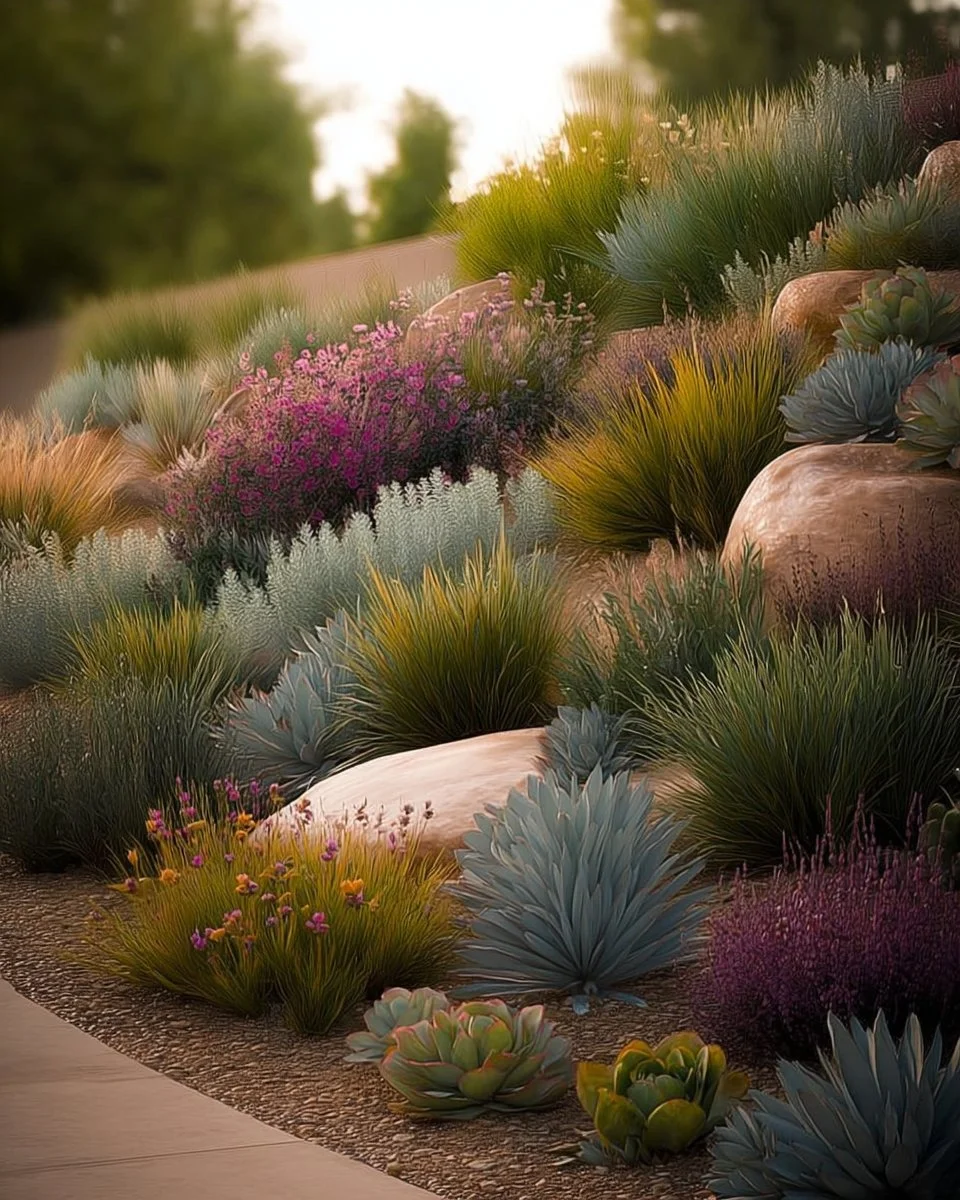
Have you ever stepped into a neighbor’s yard and instantly felt a wave of envy? Lush greenery, vibrant blooms, and a perfectly manicured landscape can be quite captivating. However, if you live in an area prone to drought, achieving that same lush look can be a challenge. Fortunately, you’re in for a treat! In this article, you’ll discover 23+ stunning drought-resistant landscaping ideas for front yards that will not only keep your home looking beautiful but will also conserve water and reduce maintenance. Let’s dive in to explore how you can create a gorgeous, eco-friendly outdoor oasis.
Table of Contents
Innovative Plant Choices
Native Plants
When thinking about drought-resistant landscaping, native plants are your best friends. They’ve adapted to the local climate and soil conditions and require less water than traditional garden plants. By choosing native species, you’re supporting local wildlife, such as bees and butterflies, which are crucial for pollination. Consider incorporating plants like the vibrant California poppy or Texas bluebonnet, depending on your region. These beauties not only bloom beautifully but thrive with minimal upkeep.
Succulents and Cacti
Succulents and cacti are often considered the stars of drought-resistant gardening. Their ability to store water in their leaves makes them resilient and stunning additions to your front yard. Imagine a beautifully landscaped area filled with a variety of shapes and colors—aloe vera, agave, and different types of sedums can make your yard a living art piece. Plant them in clusters or alongside decorative rocks for added texture. Fun fact: you can even get creative by using old containers as pots for a funky and unique look!
Perennials That Thrive
While annuals are lovely, they demand more water and care. Instead, focus on perennial plants that come back year after year, providing constant beauty with less effort. Plants like coneflowers, daylilies, and lavender not only add attractive blooms but also have low water requirements once established. You could create a layered garden by placing taller plants in the back and shorter ones in front—this creates depth and visual intrigue.
Hardscape Elements
Pathways and Patios
Incorporating hardscape elements like pathways and patios can significantly enhance your front yard, giving it structure while reducing water use. For example, using permeable pavers allows rainwater to seep through, replenishing groundwater without sacrificing aesthetics. Additionally, walking paths made of decomposed granite or flagstones add rustic charm while helping to prevent erosion, as well as providing a non-uv resistant surface that’s durable and attractive.
Retaining Walls
If your yard is on a slope, retaining walls can be both functional and stylish. These walls can help prevent soil erosion while creating flat areas for planting. Use natural stones or bricks that harmonize with your landscape, and consider planting drought-tolerant ground cover in front of the wall to soften the look. This approach adds dimension to your yard while ensuring optimal water management.
Decorative Gravel
Using decorative gravel in your landscaping can also contribute to a drought-resistant design. Not only does gravel help with drainage and reduce weed growth, but it’s also an aesthetically pleasing option that offers versatility. Create a dry riverbed, zen garden, or simply spread a layer of colored gravel around your plants for a polished look. When you combine it with beautiful rocks and boulders, you create a landscaping masterpiece your neighbors will admire.
Water-Saving Techniques
Drip Irrigation Systems
One of the most effective ways to save water is by installing a drip irrigation system. Unlike traditional sprinklers, these systems deliver water directly to the plant roots, minimizing waste and ensuring that your plants get the moisture they need. The best part? You can set timers to schedule watering, so you don’t have to worry about it during those scorching hot days.
Rain Gardens
Consider adding a rain garden in your front yard. These gardens are designed to absorb and manage stormwater runoff, allowing water to soak into the ground rather than running off into gutters or streets. Positioning your rain garden near downspouts can help filter pollutants and reduce water use while enhancing biodiversity with various native plants.
Mulching Best Practices
Mulching is an excellent way to retain soil moisture, suppress weeds, and improve soil health. Use organic materials like wood chips or shredded bark to cover the soil around your plants. Not only does this help conserve water, but it also adds nutrients back into the soil as it decomposes, making your garden even more resilient.
Colorful Focal Points
Artful Planters
Incorporating unique planters can serve as stunning focal points in your front yard. Look for whimsical designs or upcycled items like old buckets, wooden crates, or even vintage suitcases that can double as flower beds. When filled with drought-tolerant plants, these planters not only save water but also make your yard stand out in a creative way.
Garden Sculptures
Adding sculptures or ornamental features can elevate the aesthetics of your yard while still embracing a drought-tolerant theme. Choose pieces that align with your personal style—whether it’s modern art, rustic metalwork, or intricate stone carvings. Placing these elements among your plants adds layers and makes your front yard an inviting space. Have you ever stood in a garden and felt inspired by a unique piece of art? That’s the effect you can create!
Creative Use of Color
Don’t be afraid to play with color in your drought-resistant landscape. Choose plants with vibrant flowers and foliage to create a visually stunning mixture. You can also incorporate colorful pots, garden furniture, or decorative stones to harmonize with the plants. Consider creating a color scheme that speaks to your personality—it makes your space not only drought-resistant but uniquely yours!
Sustainable Practices
Composting and Soil Health
Building healthy soil is essential for any successful garden. By composting kitchen scraps and yard waste, you not only reduce trash but enrich your soil with nutrients. A well-aerated, organic-rich soil helps retain moisture, allowing plants to thrive even during dry spells. It can be incredibly satisfying to see how garden waste becomes something incredibly useful!
Using Reclaimed Materials
Get creative with your resources! Using reclaimed materials for building beds, fences, or decorative elements can give your garden a unique feel. It’s not just environmentally conscious but also budget-friendly. Whether it’s old wooden pallets or bricks from previous projects, you can repurpose the materials to serve an aesthetic purpose while being functional.
Efficient Lawn Alternatives
If you’re tired of traditional grass lawns that require constant watering, consider alternatives like clover or native grasses. These ground covers often need less water and can thrive in various conditions. Plus, they can create a soft, inviting green space that feels just as lush and appealing as a traditional lawn.
Personal Touches
DIY Projects
Embrace your creativity by engaging in DIY projects that enhance your front yard. From building custom planters to creating garden art, the possibilities are endless! You could even design a unique birdhouse that becomes a home for local wildlife. These projects can provide a sense of accomplishment while allowing you to tailor your landscape to your style and preferences.
Seasonal Decor Ideas
Don’t forget to change your decor with the seasons! Adding temporary elements, such as pumpkins in the fall or colorful flowers in spring, can breathe new life into your yard all year round. Utilizing drought-resistant plants means you’ll have a base that requires little water, making it easier to replace seasonal displays without worrying about water waste.
Conclusion
Creating a drought-resistant front yard doesn’t mean sacrificing beauty for efficiency. With these 23+ stunning drought-resistant landscaping ideas for front yards, you can easily design a space that’s both visually appealing and environmentally friendly. Your home can become a tranquil oasis that thrives with minimal water while also serving as a testament to sustainable living. Embrace these ideas, and inspire others in your community to cherish their landscapes with love and care. Remember, every small change makes a significant impact, and your front yard can be the perfect place to begin making a difference!
FAQs
What are the best plants for drought-resistant landscaping?
Native plants, succulents, and perennials like coneflowers or lavender are excellent choices.
How can I reduce water waste in my garden?
Consider using drip irrigation systems, mulching, and planting drought-tolerant plants to effectively conserve water.
What is a rain garden?
A rain garden is a planted depression that allows rainwater runoff to be absorbed, reducing erosion and improving water quality.
How do I maintain soil health in a drought-resistant garden?
Composting regularly and using organic mulch can significantly help retain moisture and improve soil structure.
Can I still have a lawn if I want a drought-tolerant yard?
Yes, consider alternatives to traditional grass, such as clover or native grasses, which require less water while still providing a green space.