
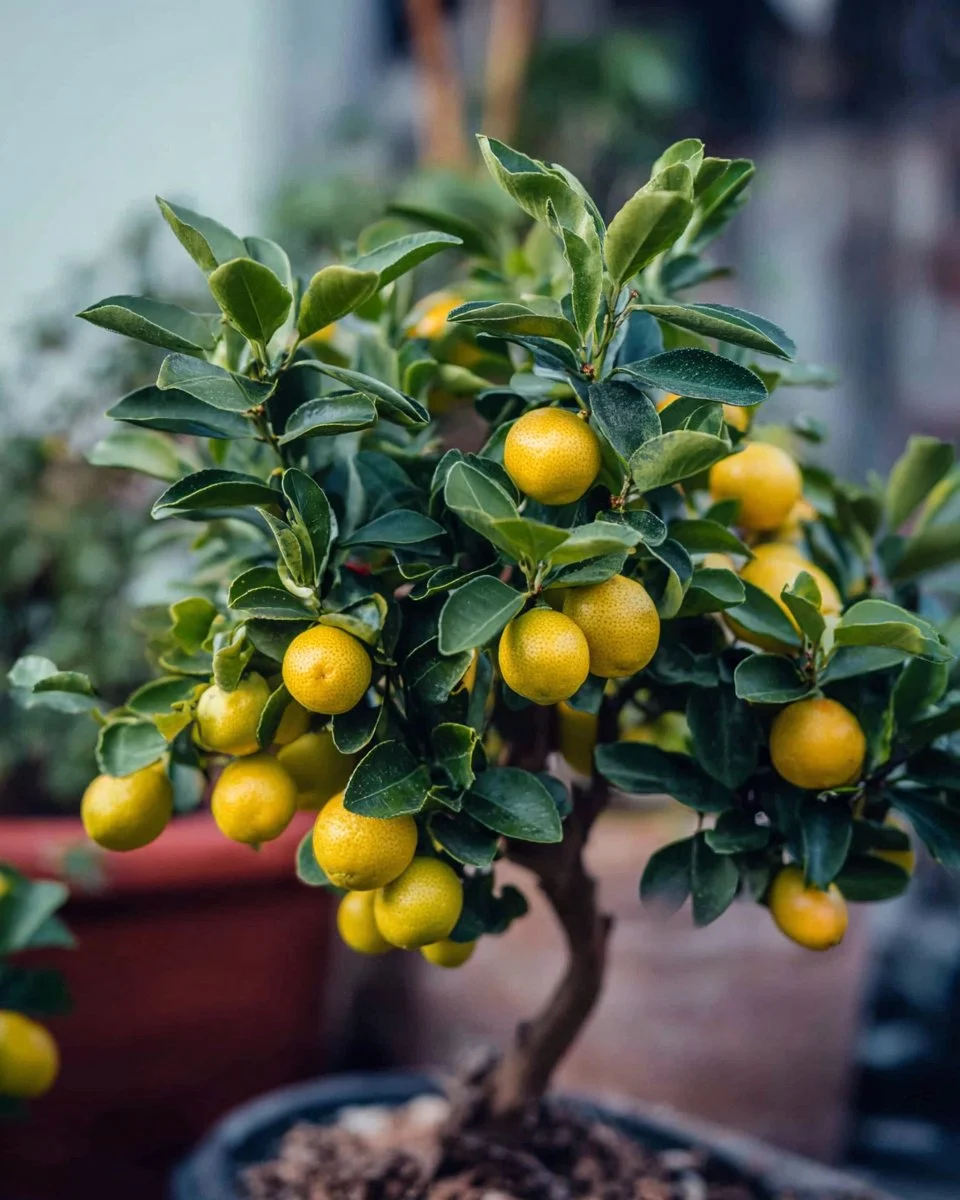
If you’ve ever dreamed of harvesting your own fruit but thought limited space was an insurmountable barrier, you’re not alone. Many urban dwellers and those with smaller yards wonder if they can cultivate a fruitful garden amidst their cramped quarters. The good news? You can indeed create your own little orchard, even in the tightest of spots! In this article, we’ll explore 20 dwarf fruit trees to grow when space is limited, offering practical advice and insights that will help you turn your small space into a vibrant fruit-producing haven. Whether you have a tiny backyard, a patio, or even just a balcony, these trees can thrive in confined areas and provide delicious rewards year after year.
Table of Contents
Benefits of Dwarf Fruit Trees
Dwarf fruit trees are an incredible solution for anyone looking to grow fruit in limited spaces. They’re not only space-efficient but also tend to bear fruit quicker than their full-sized counterparts. One advantage of these trees is that they usually have a compact root system, making them well-suited for pots and small areas. Furthermore, dwarf varieties often have beautiful blooms, adding visual interest to your garden even before the fruit appears.
Another key benefit is their ease of maintenance. With less height to manage, pruning and harvesting are much simpler tasks, making it an excellent avenue for novice gardeners or those who might struggle with mobility. Plus, having fresh produce at your doorstep contributes to a healthier lifestyle and can save you money at the grocery store. Who wouldn’t want to munch on a freshly picked apple or cherry?
Selecting the Right Dwarf Fruit Trees
Factors to Consider
Choosing the right dwarf fruit trees for your space involves considering a few essential factors. Firstly, think about your climate zone. Many fruit trees have specific temperature requirements and won’t thrive outside their suitable range. Secondly, consider sunlight; most fruit-bearing trees need at least six hours of direct sunlight daily to produce abundantly.
Another consideration is the size of the pot or space you have available. Ensure your chosen trees fit comfortably in their designated spots, allowing for growth. Lastly, think about pollination—some trees require a second tree for cross-pollination to produce fruit, while others are self-pollinating.
Popular Dwarf Fruit Trees
Some popular dwarf fruit trees that are ideal for smaller spaces include: dwarf apple trees, cherry trees, and peach trees, as well as citrus varieties like lemons and limes. Each type has its unique attributes, such as flavor nuances, size, and growing conditions, allowing you to select trees that suit both your space and your palate.
Caring for Dwarf Fruit Trees
Planting Tips
When planting dwarf fruit trees, it’s crucial to start with high-quality soil and ensure proper drainage. A well-drained potting mix can significantly support healthy root development. Choose pots that are at least 12-18 inches in diameter for most dwarf varieties, allowing ample room for root growth. When planting, make sure to position the tree so that its graft union (where the trunk meets the roots) is slightly above the soil level to encourage healthy growth.
Pruning and Maintenance
Regular pruning is essential for keeping your dwarf trees healthy and productive. Prune in late winter before spring growth begins, removing any dead, diseased, or crossing branches. This will promote air circulation within the tree, reducing disease risks while improving fruit production. Annual fertilization with a balanced fertilizer during the growing season will also aid in their health and productivity.
Top 20 Dwarf Fruit Trees To Grow When Space Is Limited
Apple Trees
Dwarf apple trees are endlessly popular due to their delicious fruits. Varieties such as ‘Golden Delicious’ or ‘Honeycrisp’ are fantastic choices. They can thrive in pots and only reach about 4-8 feet tall. Not to mention, they often produce fruit in just a couple of years. Imagine picking an apple off your very own tree—you can’t get fresher than that!
Peach Trees
Look to dwarf peach trees like ‘El Dorado’ for sweet, juicy peaches in your tiny garden. They prefer full sun and well-drained soil, and with heights of about 4-6 feet, they’re ideal for space-conscious gardeners. Plus, they bloom in spring with lovely pink flowers—perfect for adding to your outdoor aesthetics.
Cherry Trees
For those who adore cherries, varieties like ‘Stella’ or ‘Compact North Star’ are excellent options. These trees can fit easily in a pot and yield a bountiful harvest of sweet cherries. They typically grow to about 4-5 feet tall, ideally suited for those who want quick access to fresh fruit from their patio.
Citrus Trees
Citrus trees, such as dwarf lemon or lime trees, are fantastic for small spaces while delivering vibrant fruit and delightful scents. Varieties like ‘Improved Meyer Lemon’ fit in containers and offer fruit within a year or two. The cheerful flowers and bright foliage can brighten your indoor space as well.
Berry Bushes
While not technically fruit trees, dwarf berry bushes like raspberries and blueberries are worth mentioning. They can be grown in pots and yield delicious fruits in abundance. Plus, they’re perfect for smaller spaces and can provide privacy or aesthetic appeal in your garden.
Harvesting and Enjoying Your Fruit
Once you’ve nurtured your dwarf fruit trees, the excitement of harvesting will begin. Remember to pick your fruit at the right time for peak flavor! For example, apples should be harvested when they have reached full color, and peaches should feel slightly soft to the touch. There’s something immensely satisfying about biting into a piece of fruit you’ve grown yourself.
You can also get creative with your harvest—think homemade jams, desserts, or simply enjoying the fruits fresh. Sharing your bounty with friends and family makes it even more special.
Common Challenges with Dwarf Fruit Trees
Every gardener encounters challenges, but dwarf fruit trees have unique considerations. Pests, such as aphids and fruit flies, can be more prevalent due to their proximity to your house. Regular inspection and proper care can keep these critters at bay. Additionally, consider environmental factors like wind; many delicate dwarf trees might need protection from harsh winds. A simple trellis or nearby structures may offer the needed refuge.
Ensuring good pollination is another challenge. If your tree requires cross-pollination, it’s wise to plant another compatible variety nearby or choose a self-pollinating option to foster fruit production.
Conclusion
Growing your own fruit trees, even within limited space, is attainable and rewarding. By selecting from our list of 20 dwarf fruit trees to grow when space is limited, you’ll set yourself up for success with wonderful flavors and the joy of gardening. Remember to care for your trees appropriately, and you’ll soon reap the fruits of your labor! So, what are you waiting for? Start planning your mini orchard today!
FAQs
What are dwarf fruit trees?
Dwarf fruit trees are compact versions of traditional fruit trees that grow to a much smaller size, making them suitable for limited spaces like gardens, patios, or balconies.
How long do dwarf fruit trees take to produce fruit?
Typically, dwarf fruit trees can begin producing fruit within 2-4 years of planting, depending on the variety and conditions.
Do I need to prune dwarf fruit trees?
Yes, regular pruning is essential for health and productivity. Prune in late winter to remove dead or diseased branches and encourage airflow.
Can I grow dwarf fruit trees in pots?
Absolutely! Dwarf fruit trees are perfect for container gardening as they have a compact root system that thrives in pots.
Are dwarf fruit trees self-pollinating?
Many dwarf fruit trees are self-pollinating, but some varieties may require cross-pollination to bear fruit. Check the specific needs of the variety you choose.