
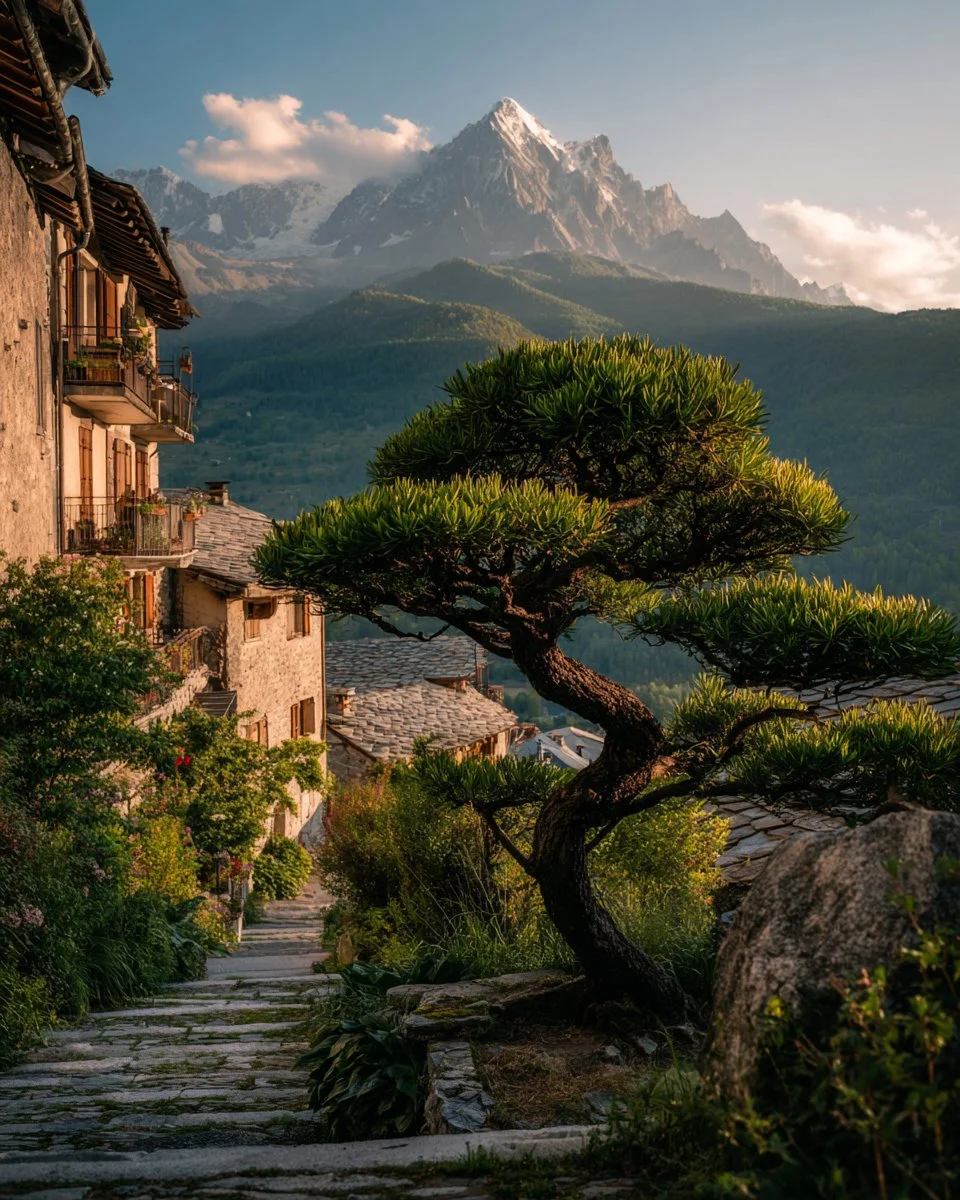
Have you ever walked past a bonsai tree and felt a sense of awe? These miniature trees are not just beautiful; they hold an enchanting charm that draws many into the world of gardening. When I first laid eyes on a stunning bonsai in a friend’s home, I was captivated. Little did I know, that simple moment would spark my journey into bonsai cultivation! For those of you curious about dipping your toes into this rewarding hobby, you’re in the right place. In this guide, we’ll explore The Best Bonsai Trees for Beginners (Easy to Grow!), ensuring you have a solid start as you cultivate your own little piece of nature. Get ready to learn about the best options for new growers, along with practical tips and tricks to keep your bonsai thriving!
Table of Contents
The Allure of Bonsai: Why You Should Start
Bonsai trees offer more than just a delightful aesthetic; they provide a meditative experience. The ancient practice of bonsai involves careful nurturing and patience, making it an excellent way to unwind. Have you ever felt lost in the hustle and bustle of life? Tending to a bonsai can be the perfect escape, allowing you to connect with nature and your inner self. Bonsai gardening can also spark creativity; as you shape and design your tree, you’ll find yourself experimenting with styles and techniques.
In the upcoming sections, we will dive deeper into The Best Bonsai Trees for Beginners (Easy to Grow!) so you can embark on your low-maintenance bonsai journey with confidence.
Essential Tools for Bonsai Care
Getting started with bonsai requires a few essential tools to ensure your tree thrives. These tools will not only help you nurture your bonsai but will also make the process enjoyable.
Pruning Shears and Wiring Tools
Pruning is a crucial aspect of bonsai care, as it allows you to shape the tree and maintain its size. Invest in a good pair of bonsai shears; they should be sharp, allowing for clean cuts. Wiring tools are also helpful for bending and shaping branches, encouraging growth in desired directions.
Soil and Potting Essentials
Bonsai prefer well-draining soil. Look for specialized bonsai soil mixes; they typically include components like akadama, pumice, and lava rock. Sourcing the right pot is equally important. Ensure it has drainage holes to prevent root rot.
Watering Tools and Accessories
A simple watering can with a fine spout can help control the amount of water your bonsai receives. Since bonsai trees thrive on moisture and should not be overwatered, using a moisture meter can also assist in gauging when to water.
The Best Bonsai Trees for Beginners (Easy to Grow!)
Now, let’s dive into The Best Bonsai Trees for Beginners (Easy to Grow!). Each of these species is chosen for their resilience and ease of care, making them perfect for those just starting out.
Ficus Bonsai: Resilient Beauty
Ficus trees are perhaps the most popular choice among beginners. They’re incredibly forgiving and can thrive in various conditions. With glossy leaves and a strong trunk, they exude vitality. Plus, ficus is well-suited for indoor living, making it a perfect starter tree.
Juniper Bonsai: Outdoor Charm
Junipers are stunning outdoor options with vibrant foliage that changes with the seasons. They are hardy and can withstand various weather conditions, but they do best in full sun. Their flexibility makes them suitable for different styles, from traditional to modern.
Chinese Elm: A True Classic
The Chinese Elm is another fantastic choice for novices. Known for its fine-textured leaves and lovely branching, it can be classified as deciduous or evergreen. The elm adapts well to indoor or outdoor settings and can be styled in numerous ways.
Jade Bonsai: Succulent Delight
If you’re a fan of succulents, the Jade plant should be on your list. This adorable little tree is easy to care for and withstands neglect. With its thick leaves and twisted trunk, it adds a unique touch to your bonsai collection.
Hawaiian Umbrella: A Compact Gem
The Hawaiian Umbrella tree has a lovely umbrella-like canopy, making it a stunning addition to your indoor garden. It’s a relatively low-maintenance tree and can thrive in low light, making it suitable for beginners.
Boxwood Bonsai: Traditional Elegance
Boxwoods are well-loved in traditional bonsai for their dense foliage and sculptural appearance. They’re incredibly hardy and can withstand a variety of conditions, providing a classic look in any bonsai garden.
Serissa Bonsai: Flowering Wonder
For those wanting a splash of color, the Serissa is the ideal option. Known as the “Tree of a Thousand Stars” for its tiny white flowers, it adds a fragrant touch and is easy to grow with proper care. It thrives in a bright setting and brings a fresh vibe indoors.
Tips for Caring for Your Bonsai Tree
Caring for your bonsai tree involves a blend of knowledge and instinct. Here are some essential tips to keep your plant healthy and thriving.
Understanding Light and Placement
Each bonsai species has specific light requirements. Ficus trees prefer indirect light, while junipers thrive in full sunlight. Position your bonsai according to its needs, rotating it regularly for even growth.
Mastering the Watering Technique
Watering might seem straightforward, but it can be tricky with bonsai. Always water thoroughly until you see drainage from the bottom. Remember, it’s better to underwater than to overwater. Let your tree dry out slightly between waterings.
Regular Pruning and Shaping
Pruning encourages growth and allows you to maintain your tree’s style. It’s essential to remove any dead or crossing branches. Practicing wiring techniques will help shape your bonsai effectively, but be cautious not to damage the bark.
Troubleshooting Common Bonsai Problems
Just like any other plant, bonsai trees can face challenges. Here’s how you can tackle some common issues.
Identifying Pests and Diseases
Keep an eye out for pests like spider mites and aphids. A gentle spray with insecticidal soap can help control infestations. Regularly inspect your bonsai for signs of disease, such as yellowing leaves or mold.
Overwatering and Underwatering Symptoms
Watch for signs of overwatering (leaf yellowing and root rot) or underwatering (wilted leaves or dry soil). Adjust your watering schedule accordingly based on the type of bonsai and its environment.
Seasonal Care Adjustments
During growth seasons, you may need to increase watering and fertilizing. Conversely, in winter, most trees will require less. Adjust your care routine based on the season, and always be observant of your tree’s needs.
Choosing the Right Pot for Your Bonsai
Choosing a pot is crucial to your bonsai’s health. The right pot will complement your tree’s aesthetic while providing sufficient support for roots.
Pot Styles and Sizes
There are various styles of bonsai pots—from traditional to modern. Choose a pot that matches the style of your tree, but ensure it’s not too large; a confined space supports root growth.
Importance of Drainage
Make sure your pot has good drainage holes because bonsai need well-drained soil to thrive. Standing water can quickly lead to root rot.
Transplanting Tips
Bonsai trees need occasional repotting. Generally, this is done every couple of years. When transplanting, clean the roots and trim any that are overgrown. This promotes healthy growth in your bonsai.
Conclusion
As we wrap up our exploration of The Best Bonsai Trees for Beginners (Easy to Grow!), remember that bonsai gardening is a journey. These miniature trees offer a blend of beauty, tranquility, and creativity. By selecting easy-to-grow varieties and following practical care tips, you’ll not only develop your skill but also create a charming addition to your home or garden. So gather your tools, choose your favorite bonsai, and embark on this fulfilling adventure!
FAQs
What is the easiest bonsai tree for beginners?
The Ficus Bonsai is often considered the easiest for beginners due to its resilience and minimal care requirements.
Can bonsai trees grow indoors?
Yes, many bonsai varieties, like the Ficus and Jade, can thrive indoors with proper light and care.
How often should I water my bonsai tree?
Watering frequency depends on the type of bonsai, but generally, water when the topsoil feels dry.
What type of soil is best for bonsai?
A specialized bonsai soil mix is best, as it ensures proper drainage and aeration for the roots.
When should I repot my bonsai tree?
Repotting is usually done every couple of years, during the early spring when the tree is ready to grow.