
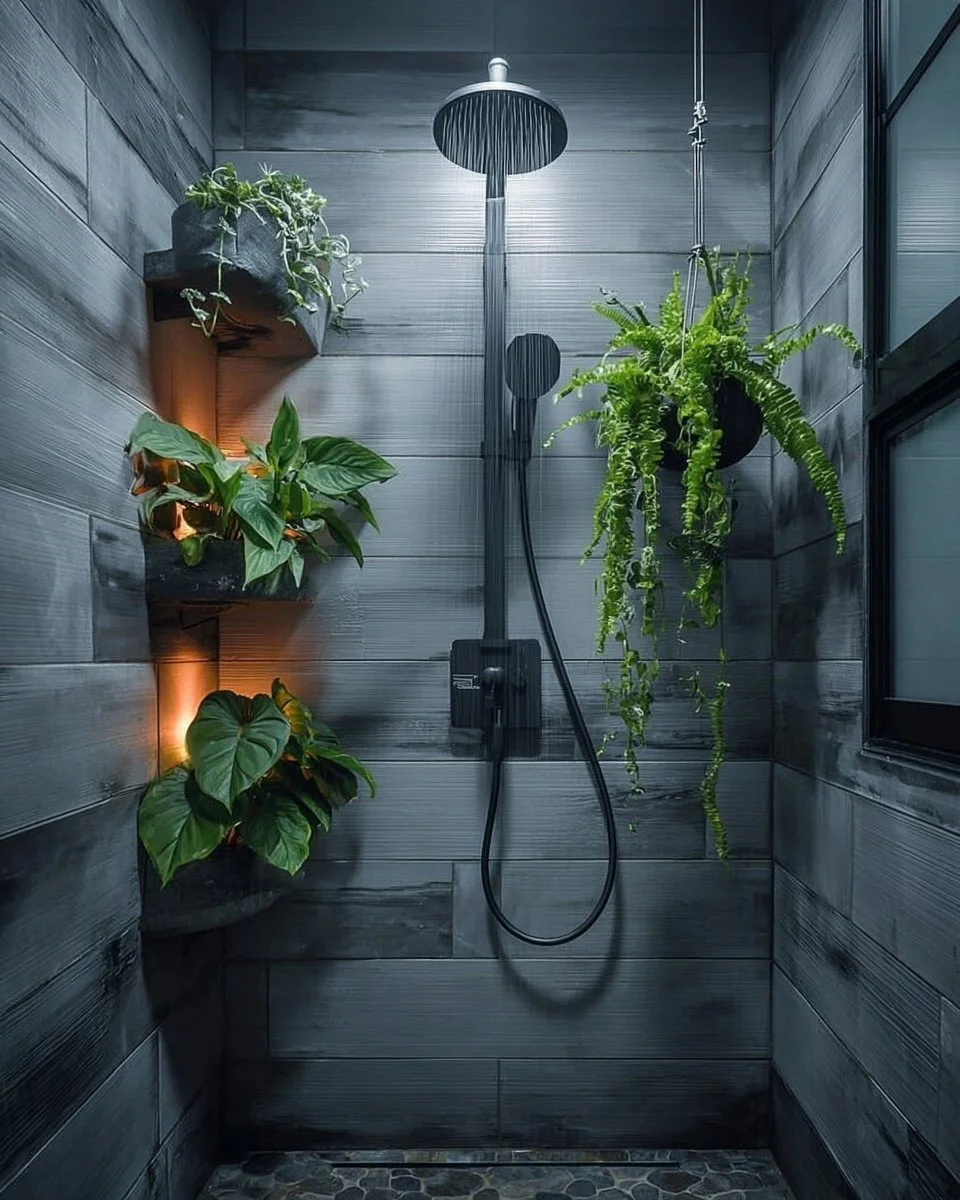
If you’ve ever come across the vibrant, humid world of shower plants, you probably found yourself captivated. These lush greens thrive where most plants can’t—turning bathrooms into mini jungles. But keeping them alive can feel like a monumental task if you’re not familiar with their unique needs. That’s where this guide comes in. You’re about to uncover the essential tips on how to keep shower plants alive all year round, ensuring your little green friends flourish through every season.
Imagine standing in your bathroom, surrounded by ferns, orchids, or even a spider plant, all thanks to the moisture and indirect light they receive. However, without the right care, you might find them drooping or, worse, brown and brittle. So, let’s dive into the secrets of maintaining your shower garden for the long haul!
Table of Contents
Light Requirements for Shower Plants
Natural Light Sources
Understanding the lighting conditions in your bathroom is crucial for learning how to keep shower plants alive all year round. Most bathrooms have limited natural light, but there are ways to optimize what’s available. Position your plants near windows where they can soak up the gentle morning light without being scorched by harsh afternoon rays. North-facing windows are ideal since they typically provide soft, indirect sunlight.
Artificial Lighting Options
If your bathroom lacks good natural light, consider adding artificial lighting. LED grow lights are a fantastic option because they mimic natural sunlight without the excessive heat. A simple clip-on grow light can make a significant difference, allowing your plants to thrive year-round. Hang it above your shower plants, ensuring they get at least 12 hours of light daily, especially during the gloomy winter months.
Humidity and Temperature Needs
Ideal Conditions
Bathrooms tend to have higher humidity levels, which is perfect for many shower plants. Ideally, you want humidity levels around 50-70%. If your bathroom is overly dry, especially in winter when heaters are running, you might need to use a humidifier or place a shallow tray of water near your plants to boost moisture levels.
Seasonal Adjustments
Different seasons can pose challenges—summer heat can dry out your plants, while winter’s chill can stunt their growth. During colder months, make sure your plants aren’t placed too close to heat sources. Alternatively, in hotter months, a little extra misting can help keep your shower plants hydrated and happy. Have you noticed a difference in how they react with the changing seasons?
Watering Practices
How Frequently to Water
A pivotal factor in learning how to keep shower plants alive all year round is establishing the right watering schedule. Most shower plants prefer to be kept slightly moist, but overwatering can lead to root rot. A good rule of thumb: check the top inch of the soil before watering. If it’s dry, it’s time to give them a drink.
Signs of Over and Under-Watering
Understanding your plants’ signals is incredibly helpful. Yellowing leaves might indicate overwatering, whereas wilting and browning tips can signal underwatering. Also, be mindful of drainage—ensure your pots have good drainage holes to prevent standing water.
Choosing the Right Plants
Best Bathroom Plants
Selecting the right plants for your shower is essential. Some tropical plants, like pothos, peace lilies, and ferns, thrive in high humidity and low light. For more color, consider adding orchids or a vibrant snake plant. When choosing, pick plants that suit your specific bathroom conditions and your level of gardening expertise.
Pet-Friendly Options
If you have curious pets, it’s also wise to choose non-toxic options. Spider plants and Boston ferns not only brighten up the space but are safe for furry friends. Always check reliable resources to confirm the safety of any plants you consider bringing home.
Pest Management
Identifying Common Pests
Even in the serene atmosphere of a bathroom, pests can find a way to invade. Keep an eye out for common culprits like spider mites and aphids. Their presence may show through webs or sticky residue. Maintaining good air circulation around plants can help prevent infestations.
Natural Remedies
If pests do appear, don’t fret! A mixture of water and mild soap can work wonders. Spray this mixture directly on the affected areas. Regularly checking your plants ensures any problems are caught early before they spread.
Fertilizing Your Shower Plants
Best Fertilizers to Use
To keep your shower plants healthy, occasional fertilization is necessary. A well-balanced, water-soluble fertilizer works wonders, particularly during the growing season—spring and summer. Following the package instructions is key, as too much fertilizer can be just as harmful as too little.
Frequency of Fertilization
In general, you should fertilize your shower plants every 4-6 weeks during their active growing months. In fall and winter, cut back on feeding as most plants enter a dormant phase. Tailoring your fertilization schedule can truly enhance your plant care strategy.
Conclusion
Learning how to keep shower plants alive all year round may seem daunting, but with the right knowledge and care, it can become an enjoyable hobby. By understanding their light and humidity needs, watering correctly, choosing the right plants, and keeping pests at bay, you can create a thriving indoor oasis. Embrace the joy of nurturing your shower plants as they add a breath of fresh air and beauty to your daily routine. Start small, and watch your green thumb grow!
FAQs
What types of plants are best for low-light bathrooms?
Some excellent options include pothos, snake plants, ferns, and peace lilies, all of which thrive in low-light and humid conditions.
How often should I water my shower plants?
Typically, you should check the top inch of soil; if it’s dry, it’s time to water. Most shower plants prefer slightly moist soil but avoid overwatering.
Can I use regular houseplant fertilizer on my shower plants?
Yes, a balanced, water-soluble fertilizer works fine, but always follow the manufacturer’s instructions to avoid over-fertilization.
What signs indicate that my plant is not getting enough humidity?
Common signs include browning leaf tips, wilting, and leaf drop. If you notice these, consider increasing humidity levels through misting or a humidifier.
How can I protect my shower plants from pests?
Regular inspections are key. If you spot pests, a mixture of water and mild soap can effectively get rid of them. Keep the area clean and avoid overcrowding your plants to promote good air circulation.