
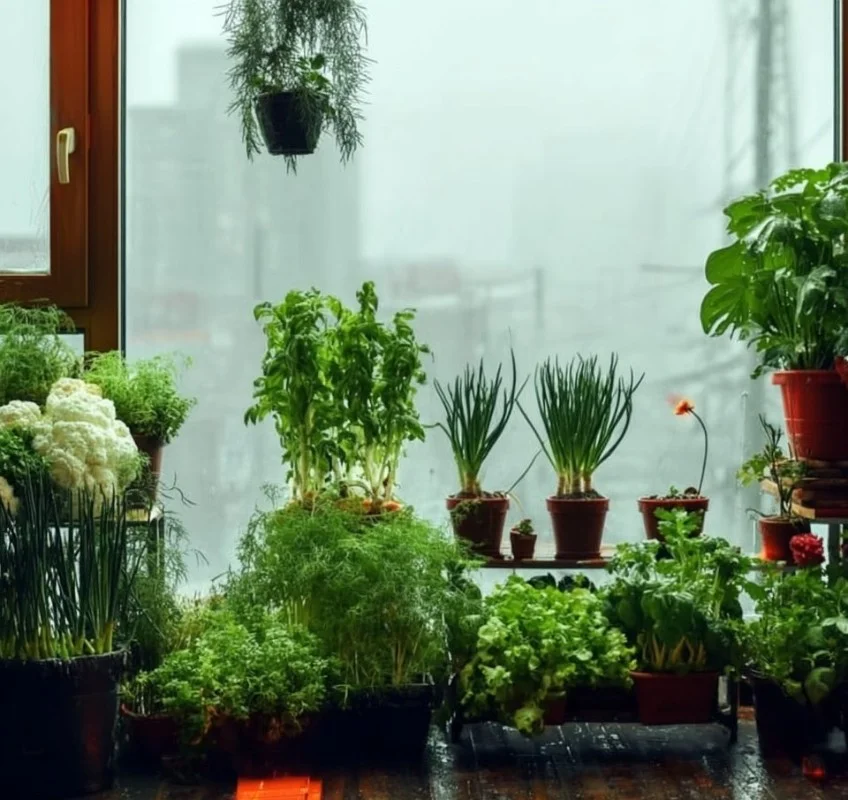
Have you ever experienced the joy of biting into a fresh tomato you’ve grown yourself or snipping a handful of herbs right from your kitchen window? Indoor gardening is becoming increasingly popular, and for a good reason! Not only does it beautify your space, but it can also provide you with a continuous harvest of fresh produce right from the comfort of your home. In this article, you’ll discover the 12 Top Indoor Vegetable Plants that are perfect for sunny windowsills, cramped spaces, or anywhere in between. Get ready to turn your living area into a lush, vibrant garden oasis!
Table of Contents
Choosing the Right Indoor Vegetable Plants
When it comes to selecting the best indoor vegetable plants, it’s essential to assess both your space and light availability. Let’s explore these considerations further.
Consider Your Space and Light
Not every vegetable plant thrives in the same environment. If your apartment has ample sunlight, you might consider larger plants like tomatoes. On the other hand, if you have limited sunlight, opt for shade-tolerant varieties, such as leafy greens or herbs.
Assess Your Skill Level
Are you a seasoned gardener or just starting? Your experience level will guide you in choosing manageable plants. Beginner-friendly options provide a gratifying experience without overwhelming you.
Essential Growing Conditions
For your indoor vegetable plants to flourish, specific growing conditions must be met. Let’s take a look at what they need to thrive.
Light Requirements
Vegetable plants typically require at least 6-8 hours of direct sunlight daily. Position your plants near south-facing windows, or consider using grow lights to supplement natural light.
Temperature and Humidity
Most indoor vegetables prefer a consistent temperature between 65°F and 75°F (18°C and 24°C). Maintaining good humidity levels is also crucial, so consider a humidifier for dry indoor environments, especially during winter.
Soil and Fertilization
Using high-quality potting soil is essential for success. Mix in organic compost for added nutrients. Regular fertilization during the growing season will ensure your plants receive the nutrients they require.
Top Picks for Indoor Vegetable Plants
Let’s dive into the 12 Top Indoor Vegetable Plants you can grow without hassle. Each category has its own charm, and you’ll soon find your favorites!
Herbs
- Basil: A classic for culinary use, basil thrives in warm conditions and enjoys plenty of sunlight.
- Mint: This fast-growing herb is perfect for windowsills and offers a refreshing scent.
- Chives: Hardy and flavorful, chives need minimal attention and are a delightful addition to various dishes.
Leafy Greens
- Lettuce: Varieties like butterhead or romaine can quickly grow and provide several cuttings per plant.
- Spinach: Nutrient-rich and easy to grow, spinach loves cooler temperatures, making it an excellent choice year-round.
- Kale: This nutrient-dense superfood can be grown indoors, requiring good light and space to flourish.
Fruiting Plants
- Cherry Tomatoes: Compact varieties are suitable for pots and can produce a bountiful harvest with enough light.
- Peppers: Whether sweet or hot, peppers do well indoors and add color to your garden.
- Strawberries: These sweet delights not only taste great but also look beautiful in hanging baskets.
Root Vegetables
- Radishes: Fast-growing and easy to care for, radishes are a rewarding choice for impatient gardeners.
- Carrots: Choose shorter varieties that adapt well to container life for your indoor garden.
Maintaining Your Indoor Garden
Growing plants indoors requires ongoing care, but it’s easier than you might think!
Watering Techniques
Ensure your plants are watered adequately, but don’t overdo it. The soil should be kept moist but not soggy. A good rule of thumb is to check the soil’s moisture level a couple of inches down before watering.
Pest Management
Indoor plants can still attract pests. Keeping your plants clean by wiping the leaves and checking for issues can prevent infestations. Consider natural insecticides if necessary.
Pruning and Harvesting
Regularly prune your plants to encourage growth and remove dead leaves. Knowing when and how to harvest will also yield more produce, leading to a more robust yield!
Benefits of Growing Indoor Vegetables
The benefits of cultivating your indoor garden extend beyond taste. Having access to fresh produce right at home can be a remarkable experience, and it’s also an excellent way to reduce stress. Additionally, growing your veggies contributes positively to the environment and enhances air quality in your living space.
Troubleshooting Common Issues
Every gardener runs into problems from time to time. Keep an eye out for yellowing leaves, which often signal over or under-watering. Brown leaf tips may indicate insufficient humidity, while slow growth could point to a lack of nutrients or light.
Encouraging Your Gardening Journey
Remember, every gardening journey starts small. Don’t hesitate to experiment with different plants as you discover what works best for your space and lifestyle. Gardening can be a wonderfully rewarding hobby, providing both fresh produce and a sense of accomplishment.
Conclusion
In summary, cultivating any of the 12 Top Indoor Vegetable Plants can turn your home into a productive green space filled with flavor and health benefits. By understanding your plants’ needs and maintaining a nurturing environment, you can look forward to a bountiful harvest and countless enjoyable moments as you nurture your indoor garden.
FAQs
What indoor vegetables are easiest to grow?
Herbs like basil and mint, along with leafy greens like lettuce, are among the simplest to grow indoors.
Do indoor vegetables require special care?
Indoor vegetables thrive under controlled conditions. Ensure they receive enough light, warmth, and proper watering, and they’ll flourish.
Can I grow indoor vegetables without direct sunlight?
Yes, you can use grow lights to help your plants thrive in low-light conditions.
How often should I fertilize my indoor plants?
Generally, fertilizing every 4-6 weeks during the growing season is ideal, but always refer to specific plant needs.
What should I do if my indoor plants attract pests?
Regularly inspect your plants, clean the leaves, and consider using natural pest repellents if you notice any issues.