When I first started my gardening journey, I was overwhelmed by the sheer number of plants to choose from and the resources it seemed to take just to cultivate a few fresh vegetables. Was I really ready to commit to full-scale gardening? To my surprise, I found that with a little creativity and the right approach, growing vegetables in containers could be not just manageable but downright delightful. If you’ve ever wondered about how to make the most of limited space while still enjoying a bountiful harvest, you’re in the right place! In this guide, you’ll discover 10 Easy Vegetables to Grow in Containers for a Thriving Garden, along with tips and tricks for making your container garden flourish.
Table of Contents
How Container Gardening Works
Benefits of Growing in Containers
Container gardening is a fantastic option for both seasoned gardeners and beginners wanting to ease into the green-thumb life. One of the most appealing aspects is that you can have a garden even on a balcony, patio, or small yard. It’s all about utilizing the space you have—perfect for apartment dwellers or those with limited outdoor areas!
Growing in containers allows for better control over soil quality and moisture levels. Plus, you can easily relocate your plants as needed to optimize sunlight exposure or protect them from extreme weather. No more worrying about those pesky garden bugs either; many gardeners find that container plants can be easier to manage when it comes to pests.
Choosing the Right Containers
Selecting the right container is more crucial than it might seem. You want something that’s large enough to accommodate the root systems of the vegetables you’re planting but also lightweight for easy mobility. Opt for pots with drainage holes—this is essential to prevent waterlogging, which can lead to root rot. Materials like plastic, clay, or ceramic are all good, but be mindful of how they hold temperature and moisture.
Top Vegetables to Grow
Lettuce and Leafy Greens
Let’s kick things off with perhaps the easiest container vegetable: lettuce. With its shallow roots, lettuce thrives in containers and grows fast. You can even mix different varieties in the same container! Just make sure you keep them in a spot that gets indirect sunlight, as too much direct heat can turn those delicate leaves bitter.
Tomatoes
Ah, the quintessential gardening favorite. With a little staking for support, tomatoes can flourish in pots. Choose smaller varieties like cherry tomatoes if you have limited space. They need plenty of sun, so try to place them in the brightest spot on your patio or balcony. Regular watering is key as tomato plants can wilt quickly.
Bell Peppers
Brighten your container garden with colorful bell peppers. They thrive in warm weather, so planting them after the last frost is ideal. They benefit from both sun and consistent watering, and you’ll be rewarded with vibrant, crunchy peppers in no time.
Radishes
Radishes are another quick crop to grow in containers. They have a relatively short growing period, which is perfect for impatient gardeners! Plus, you can plant them successively every few weeks for a continuous harvest throughout the season. Thin them out once they sprout to ensure they have enough room to grow.
Carrots
You might not think of carrots as a container vegetable, but many dwarf varieties do quite well in pots. Ensure that your container is deep enough—at least 12 inches is ideal. Carrots enjoy loose, well-draining soil with plenty of organic material, so don’t skimp on that aspect!
Cucumbers
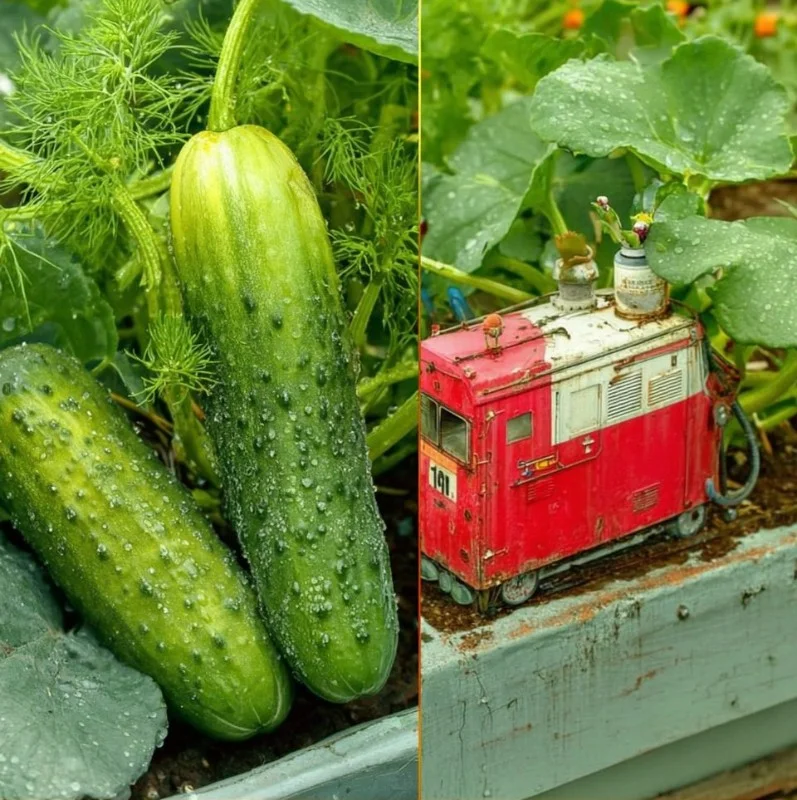
Cucumbers can be trained to grow vertically, so they’re perfect for smaller spaces! Make sure your container is at least 5 gallons to allow for robust growth. Provide a trellis or some support for the vines, helping save space while also getting those delicious crunchy snacks.
Green Beans
Like cucumbers, green beans can also climb. These plants are prolific producers, and they grow quickly. You can choose bush varieties or pole beans—just make sure to give them something to climb! They thrive in full sun and are relatively low maintenance.
Herbs
Don’t forget about herbs! They’re essential for cooking and can be easily grown in containers. From rosemary to basil to mint, growing herbs can also deter pests in your vegetable garden. Place them in a spot where you can easily snip off fresh leaves for your meals.
Care Tips for Container Gardens
Watering and Drainage
One of the most crucial elements of success in container gardening is proper watering. Plants in containers can dry out faster than those planted directly in the ground, so check the moisture level regularly. Overwatering is as detrimental as underwatering; ensure your pots have adequate drainage and monitor your plants closely.
Soil Requirements
Using high-quality potting soil is critical for your plants’ success. Avoid using garden soil, which can be dense and compact, leading to poor drainage. Look for a mix that retains moisture while still allowing for airflow.
Sunlight Considerations
Different plants have varied sunlight requirements. Most vegetables prefer full sun—about 6-8 hours a day—so keep that in mind when you position your containers. If you notice your plants starting to stretch excessively or “reach” for the light, it may be a sign they need more sun.
Using Vertical Space in Container Gardens
Thinking vertically can dramatically increase your growing space. Wall-mounted planters, hanging pots, and trellises can make use of every inch. This not only maximizes your space but also adds visual appeal.
Troubleshooting Common Problems
Even the most careful gardeners can run into issues! Watch for signs of distress in your plants: yellowing leaves can indicate either overwatering or nutrient deficiency. Pests might appear, particularly on leafy greens. A little soapy water can go a long way in treating many common pests.
Seasonal Tips for Continuous Harvesting
Timing is everything. To keep your container garden thriving all year, consider planting crops that thrive in different seasons. Start with cool-weather vegetables in early spring, and as summer approaches, switch to those that thrive in the heat. Rotate your crops and even try using companion planting to enhance growth.
Conclusion
Embarking on the journey of container gardening can be one of the most rewarding experiences for a budding gardener. By focusing on 10 Easy Vegetables to Grow in Containers for a Thriving Garden, you can create a vibrant, productive garden that provides a bounty of fresh vegetables right from your own home. Remember, patience and observation are key. You’ll learn what works best for your unique space, and before you know it, you’ll be harvesting your very own veggies!
FAQs
What size containers do I need for vegetables?
Generally, a 5-gallon container is a good size for most vegetables, while deeper-rooted crops like carrots or tomatoes may need at least a 12-inch deep pot.
How often should I water my container garden?
It largely depends on weather conditions, but check the moisture in the soil daily; if it feels dry an inch down, it’s time to water.
Can I grow vegetables indoors?
Absolutely! Just make sure you have adequate lighting, either from a bright window or grow lights, to provide the necessary sunlight.
What types of soil should I use for my containers?
Look for quality potting soil blends specifically designed for container gardening, as they allow for proper drainage and moisture retention.
How can I improve drainage in my containers?
Make sure they have drainage holes, and you can also use materials like gravel or rock at the bottom of the pot to enhance drainage.