
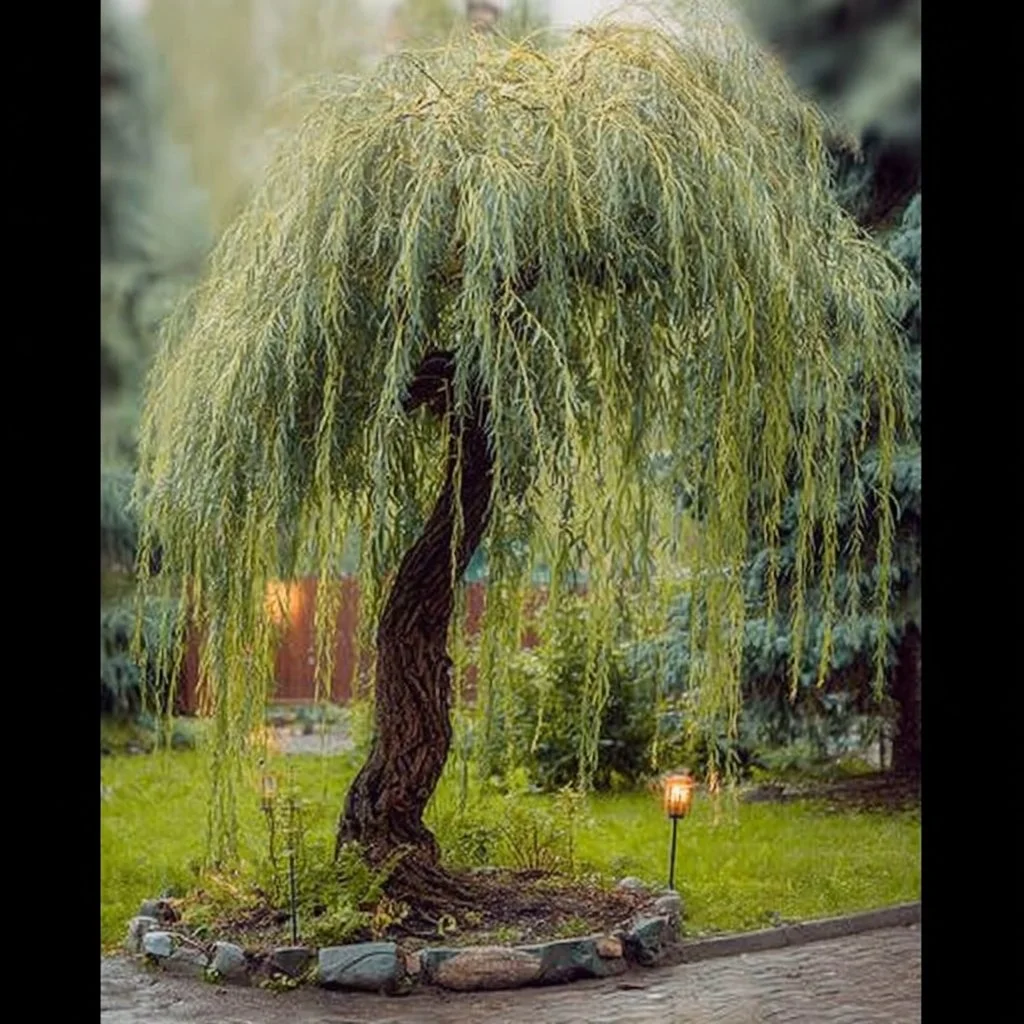
Have you ever walked through a garden filled with twisting branches and cascading leaves, feeling as though you’ve stepped into a fairytale? Dwarf weeping trees can instill that very magic in your small garden. These charming trees add drama and character while still fitting seamlessly into tight spaces. In this article, you’ll discover the 10 Dwarf Weeping Trees For Small Gardens and learn how each unique specimen can enhance your outdoor oasis.
Table of Contents
What Are Dwarf Weeping Trees?
Characteristics of Dwarf Weeping Trees
Dwarf weeping trees possess a distinctive structure—tendrils that droop gracefully towards the ground. These trees maintain a compact size, making them ideal for small gardens. With varieties that can complement different garden styles, from modern to traditional, they provide an aesthetically pleasing focal point.
Benefits of Including Them in Your Garden
Integrating dwarf weeping trees into your garden enhances its overall appeal. Not only do these trees add height and texture, but they also create a serene environment. The lush foliage can provide shade, and their unique forms can serve as natural sculptures, drawing the eye and creating a tranquil space for relaxation.
Top Dwarf Weeping Trees For Small Gardens
Weeping Cherry (Prunus subhirtella ‘Pendula’)
This tree bursts into a stunning display of pink or white blossoms each spring, creating a picturesque moment that delights all who encounter it. It grows to about 15 to 25 feet with a beautiful pendulous habit, perfect for small spaces.
Dwarf Japanese Maple (Acer palmatum ‘Crispum’)
Known for its delicate leaves and vibrant fall colors, the Dwarf Japanese Maple can grow up to 6 feet tall. Its graceful weeping branches soften the garden’s look, making it ideal for an Asian-themed garden or as a statement piece.
Weeping Hinoki Cypress (Chamaecyparis obtusa ‘Nana’)
This slow-growing tree features dark green, fern-like foliage that emits a lovely fragrance. Generally reaching around 4 to 6 feet, it makes a lovely addition to cottage gardens, creating a soft, tranquil feel.
Dwarf Weeping Willow (Salix babylonica ‘Nana’)
Dwarf Weeping Willows can give your garden a charming, woodland feel. With their characteristic long, trailing branches, they typically grow to about 6–10 feet and their feathery foliage offers a wonderful texture against the backdrop of other plants.
Weeping Blue Atlas Cedar (Cedrus atlantica ‘Glauca Pendula’)
This spectacular tree boasts silvery-blue needles and a dramatic weeping shape, reaching about 10–15 feet. It serves as a stunning focal point, ideal for modern gardens looking for a sleek design element.
Weeping Redbud (Cercis canadensis ‘Forest Pansy’)
With its heart-shaped leaves and striking rosy blooms in spring, the Weeping Redbud can grow to around 5–6 feet. This tree doesn’t just create visual interest; it also attracts pollinators, making it a great choice for eco-friendly gardens.
Dwarf Weeping Fig (Ficus benjamina ‘Nikki’)
This tree is perfect for indoor or patio gardens, often used in bonsai. Growing up to 3-6 feet, its glossy green leaves and elegant shape make it a wonderful way to bring a bit of the outdoors inside.
Weeping Mulberry (Morus alba ‘Weeping’)
This tree features long, cascading branches and can grow around 10–15 feet tall. It’s not only lovely to look at but can provide delicious berries in late summer, adding functionality to its beauty.
Dwarf Weeping Norway Spruce (Picea abies ‘Pendula’)
Ideal for colder climates, this tree features short, dark green needles and a dense canopy. Reaching about 4-6 feet, it can thrive in various soil types, making it a practical option for small gardens.
Weeping Pear (Pyrus calleryana ‘Chanticleer’)
This tree is known for its unique shape and stunning white flowers in spring. It grows up to 20 feet tall and offers ornamental fruit, adding a seasonal interest that enhances any garden.
How to Care for Dwarf Weeping Trees
Location and Planting Tips
Position your dwarf weeping trees in spots with good drainage and plenty of sunlight. Select a location away from strong winds, as their delicate branches may struggle against harsh weather. When planting, dig a hole twice the size of the root ball and fill it back with high-quality soil.
Watering and Fertilization
Most dwarf weeping trees prefer moist but not soggy soil. Ensure they are watered regularly, especially during dry spells. Fertilize once a year with a balanced fertilizer to support healthy growth.
Pruning and Maintenance
Regularly check your trees for growth; pruning can help maintain their shape and encourage new growth. Focus on removing dead or diseased branches. Late winter or early spring is the best time for pruning before new buds appear.
Design Ideas Incorporating Dwarf Weeping Trees
Consider grouping different dwarf weeping trees to create a multi-layered effect. Pair a weeping cherry with contrasting upright shrubs or perennials for visual balance. You can also frame garden paths or seating areas with these trees, guiding the eye and drawing visitors into your cozy space.
Conclusion
Dwarf weeping trees truly can transform small gardens into enchanting havens. With so many captivating varieties, the 10 Dwarf Weeping Trees For Small Gardens can breathe life and character into any outdoor space. By selecting the right trees for your garden and providing them with proper care, you’ll create a landscape that’s not only beautiful but also inviting and serene.
FAQs
What is a dwarf weeping tree?
A dwarf weeping tree is a compact tree with cascading branches and leaves, specifically bred to maintain smaller sizes suitable for tight spaces.
Do dwarf weeping trees require special care?
While they need attention like all trees, their compact size often makes them easier to manage. Regular watering, fertilization, and occasional pruning will keep them healthy.
How tall do dwarf weeping trees typically grow?
Most dwarf weeping trees grow between 3 to 15 feet tall, depending on the species and growing conditions.
Can I plant dwarf weeping trees in pots?
Yes, many dwarf weeping trees thrive in pots, making them excellent for patios or balconies. Just ensure the pot is large enough and has drainage holes.
What are some good companion plants for dwarf weeping trees?
Consider low-maintenance perennials, ground covers, or larger shrubs that won’t overshadow the trees. Flowers like hostas or ferns can create beautiful contrasts.