
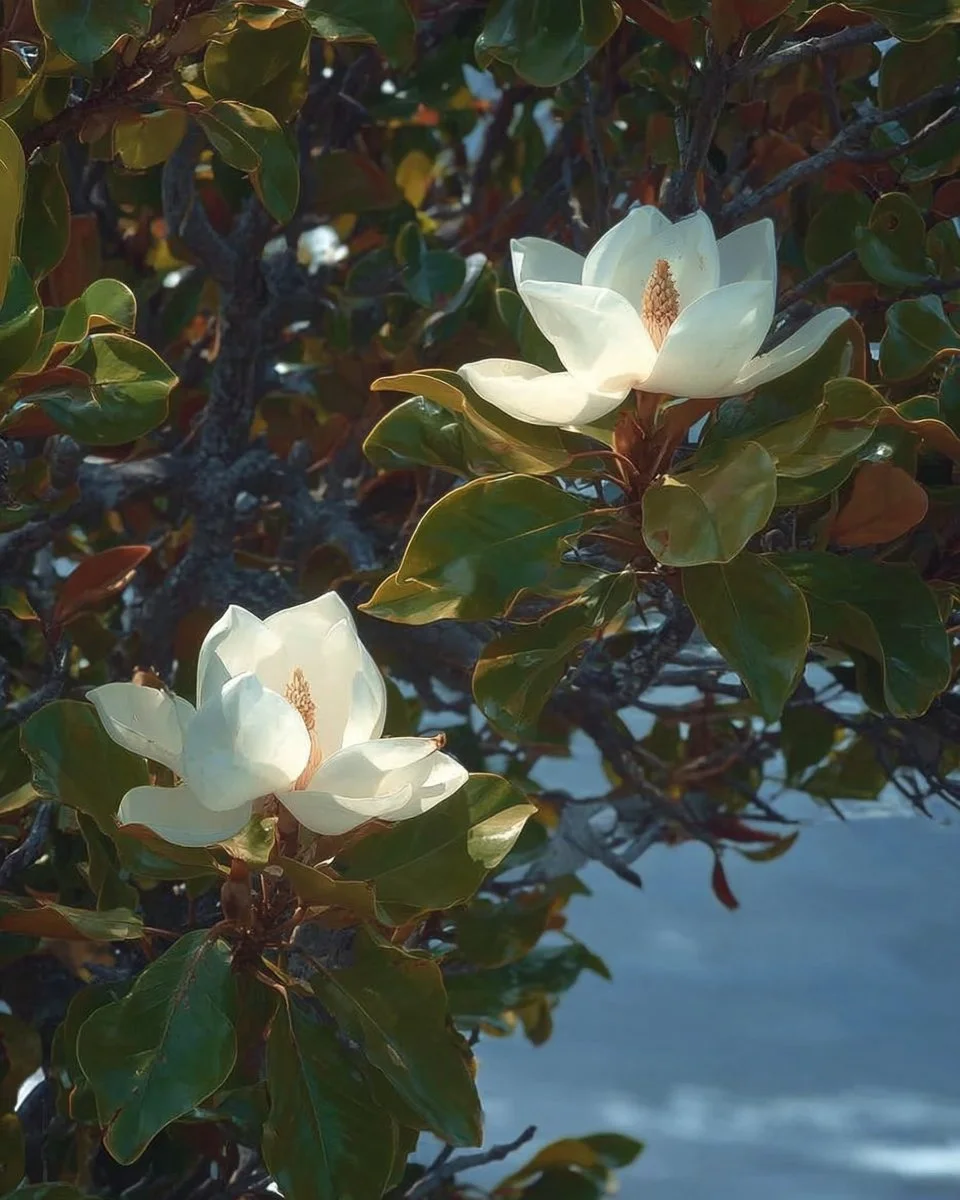
Have you ever strolled through a garden and been captivated by the stunning beauty and fragrance of a Southern Magnolia? These majestic trees are not only known for their large, glossy leaves and magnificent white blossoms but also for their ability to create a sense of southern charm and serenity in any space. If you’re dreaming of having this iconic tree as a centerpiece in your green sanctuary, you’re in for a treat. In this article, you’ll learn invaluable insights about Growing Southern Magnolia in Your Yard or Garden, including everything from site selection and planting tips to ongoing care and maintenance. Get ready to transform your outdoor space!
Table of Contents
Understanding Southern Magnolia
Characteristics of Southern Magnolia
Southern Magnolias (Magnolia grandiflora) are renowned for their distinctive, fragrant white blooms that can measure up to 12 inches in diameter. They can grow quite large, reaching heights of 60 to 80 feet, and have a robust, pyramidal shape, making them excellent focal points or shade trees. The leathery, dark green leaves provide year-round interest, and their glossy appearance stands out even in winter.
Why Choose Southern Magnolia for Your Garden
Imagine hosting a summer gathering beneath the sprawling branches of your own Southern Magnolia, the air filled with its intoxicating fragrance. This tree not only enhances aesthetic beauty but can also provide shelter for birds and wildlife, making your yard a haven of biodiversity. If you appreciate stunning foliage and flowers, Growing Southern Magnolia in Your Yard or Garden is a decision you won’t regret.
Choosing the Right Location
Sunlight Requirements
Southern Magnolias thrive in full sun—ideally, they need at least six hours of direct sunlight each day. When choosing a spot in your yard, consider how much light the area receives throughout the day. A sunny location will encourage abundant blooms and healthy growth.
Soil Conditions
These trees prefer well-drained, acidic soils rich in organic matter. If your soil is clay-heavy or alkaline, you might need to amend it before planting. Conduct a soil test to guide your amendments and ensure your Southern Magnolia has a solid foundation for growth.
Planting Your Southern Magnolia
Preparing the Site
To successfully plant your Southern Magnolia, start by clearing the area of any grass, weeds, or debris. Dig a hole that is twice the width of the root ball and about the same depth. This gives the roots plenty of room to spread.
Correct Planting Techniques
When placing your Southern Magnolia in the hole, make sure that the root flare—the point where the roots meet the trunk—is level with the ground surface. This prevents issues with drowning roots. After planting, gently tamp down the soil and water thoroughly to settle the roots.
Caring for Your Southern Magnolia
Watering and Fertilizing
During the first few years, regular watering is crucial to establish deep roots. Water deeply once a week, or more often if there’s extended dry weather. Once established, Southern Magnolias are relatively drought-tolerant. Fertilization should be done in springtime using a slow-release fertilizer designed for trees.
Pruning and Maintenance
Pruning is essential for maintaining the shape and health of your Southern Magnolia. While it’s best to prune in late winter or early spring, be mindful not to over-prune, as this can damage the tree. Focus on removing dead or crossing branches to enhance airflow and light penetration.
Common Pests and Diseases
Identifying Issues
Southern Magnolias can occasionally face challenges from pests like scale insects, aphids, and borers, as well as diseases such as leaf spot or powdery mildew. Regular inspections for these issues will help you catch problems early.
Prevention and Treatment
For pest management, introducing beneficial insects or using neem oil can be effective. For diseases, ensure good air circulation around your tree and avoid overhead watering to reduce moisture on the leaves. If diseases occur, prompt treatment with appropriate fungicides or pesticides may be necessary.
Exploring Varieties of Southern Magnolia
Different Types to Consider
Not all Southern Magnolias are the same! There are several varieties, including ‘Little Gem,’ which is a dwarf option suitable for smaller spaces, and ‘Bracken’s Brown Beauty,’ known for its exceptional cold hardiness.
Features of Popular Varieties
These varieties offer unique features, from compact sizes to varying leaf colors. Researching different options ensures that you’re making an informed decision that suits your landscape perfectly.
Conclusion
Growing Southern Magnolia in Your Yard or Garden is an excellent choice, offering both beauty and a sense of timeless elegance. With the right location, proper care, and occasional pruning, you can ensure your Southern Magnolia thrives, bringing joy and charm to your outdoor space for many years to come. So, don’t hesitate—plant your tree today and watch it grow into a magnificent addition to your home.
FAQs
Q: How fast do Southern Magnolias grow?
A: Southern Magnolias typically grow 1 to 2 feet per year, depending on conditions.
Q: Can Southern Magnolias tolerate cold weather?
A: Most varieties are hardy but may need protection in extreme cold.
Q: How often should I fertilize my Southern Magnolia?
A: Fertilize once in early spring with a slow-release fertilizer.
Q: Do Southern Magnolias require a lot of water?
A: They need regular watering in the first few years but become drought-tolerant once established.
Q: When is the best time to prune Southern Magnolias?
A: Late winter or early spring is ideal for pruning to avoid disrupting blooming.
By following these guidelines on Growing Southern Magnolia in Your Yard or Garden, you can enjoy the beauty and benefit of this remarkable tree in your own outdoor space. Happy gardening!