
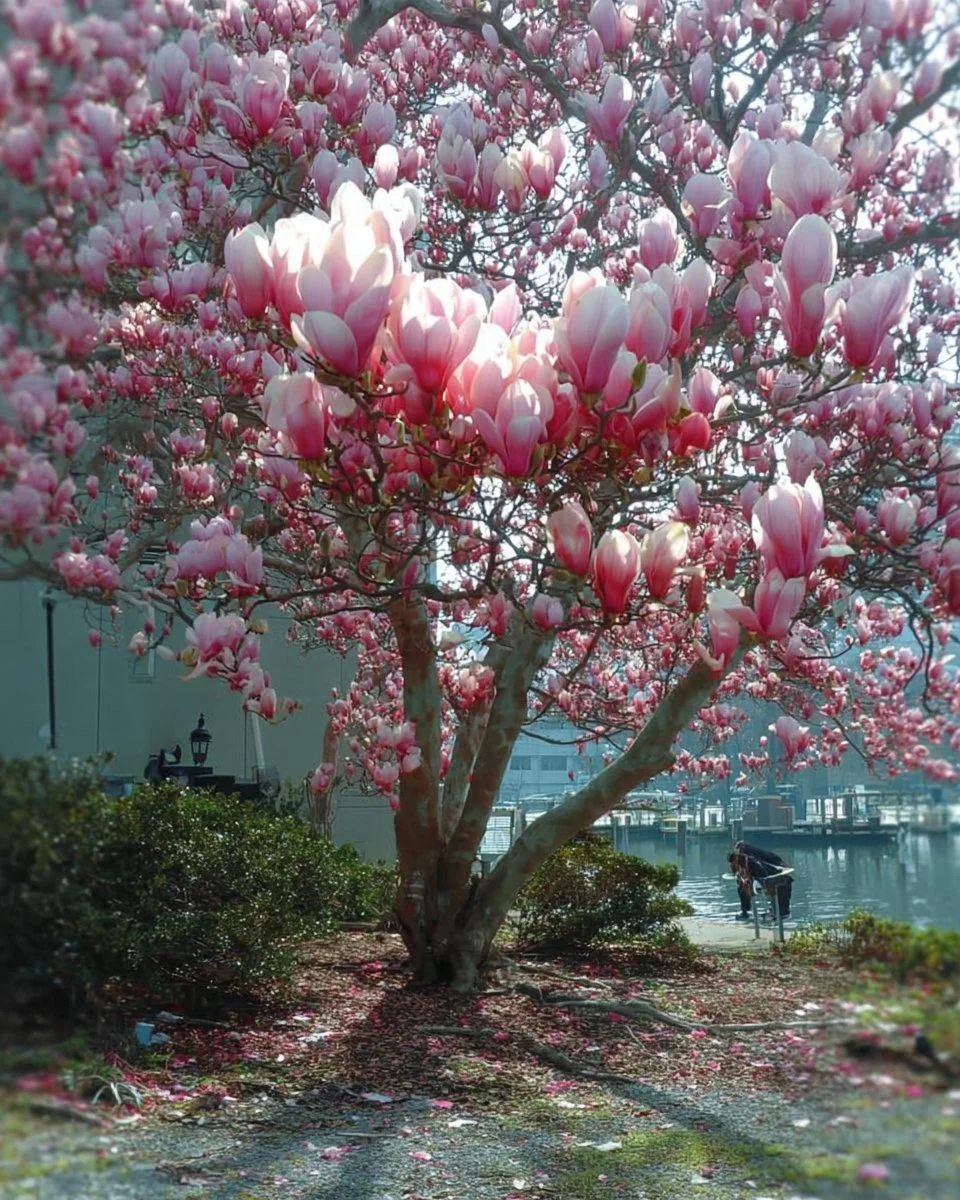
Have you ever stood beneath a beautiful magnolia tree, inhaling the sweet fragrance of its blossoms while marveling at the incredible variety of colors? Magnolias are not just stunning trees; they symbolize dignity and nobility, captivating anyone who comes across them. As someone who’s spent countless afternoons watching these beautiful trees sway in the breeze, I can testify to the joy they bring to gardens and landscapes. In this article, you’ll discover the fascinating aspects of magnolias: from their rich history and diverse species to practical tips on how to cultivate and care for these majestic plants in your own backyard.
Table of Contents
Why Magnolias Are Special
Magnolias have a unique charm that draws people in, and there’s an abundance of reasons for their appeal. Their history dates back more than 100 million years, making them one of the oldest flowering plants on Earth. Imagine the tales these trees could tell if they could talk!
The History of Magnolias
Magnolias originated in the warm, subtropical regions of Asia and the Americas, boasting a lineage that includes over 200 distinct species. They were named after the French botanist Pierre Magnol, even though their story stretches far beyond that. Early settlers in North America revered the Southern Magnolia for its appealing fragrance and dramatic presence, using it in landscapes and gardens across the southern U.S.
Cultural Significance
In many cultures, magnolias represent purity, nobility, and love. In China, they’re seen as a sign of perseverance and dignity, while in the southern United States, they are often synonymous with home, represented in countless pieces of literature, art, and folklore. Just like the stories woven around them, magnolias have a profound impact rarely matched by other plants.
Types of Magnolias
When it comes to choosing a magnolia for your garden or landscape, you’ll find a delightful assortment. Each type has its unique characteristics, sizes, and colors.
Popular Species for Gardens
Southern Magnolia (Magnolia grandiflora): This iconic tree can reach heights of over 80 feet and is characterized by its large, glossy leaves and magnificent, fragrant white blossoms.
Star Magnolia (Magnolia stellata): A smaller tree or large shrub, the star magnolia is known for its star-shaped white flowers, making it popular in smaller gardens.
Saucer Magnolia (Magnolia x soulangeana): This hybrid is celebrated for its gorgeous pink and white flowers that bloom early in the spring, often before the leaves emerge.
Size and Growth Characteristics
While some magnolias grow into towering trees, others remain shrubs, making it essential to choose the right species for your space. Southern Magnolias are quite large, while Star Magnolias tend to stay compact at around 15 to 20 feet tall. Consider your yard’s layout before making a selection!
How to Plant Magnolias
Planting magnolias might seem daunting, but with a bit of knowledge, you can nurture these trees to flourish in your garden.
Choosing the Right Location
Magnolias love full sun to partial shade, which means you should select a spot that receives at least six hours of sunlight daily. But be cautious of the wind; they prefer sheltered areas where strong gusts won’t damage their delicate blooms.
Soil and Water Requirements
These trees thrive in well-draining, slightly acidic soil. Conduct a soil test if you’re unsure of the pH levels, as magnolias prefer a range of 5.5 to 6.5. When planting, make sure to dig a hole twice the diameter of the root ball, adding organic matter to enrich the soil. Seating your magnolia properly will allow for healthy roots and stability! Water your new tree thoroughly post-planting.
Caring for Magnolias
Caring for magnolias is crucial for ensuring they remain a stunning focal point in your landscape.
Pruning Techniques
Pruning is an essential task for maintaining the shape and health of magnolias. The best time to prune is in late winter or early spring before growth begins. Use sharp, clean cuts to remove any dead or crossing branches, allowing for better air circulation. Be careful not to prune too heavily, as magnolias can take a while to recover.
Common Pests and Problems
Although magnolias are generally hardy, they can fall prey to pests like scale and aphids. Regular inspection and an occasional application of insecticidal soap can help manage any outbreaks. Also, be on the lookout for leaf spot diseases, especially if you notice discolored spots on leaves—removing affected areas can help prevent further spread.
The Best Time to Enjoy Magnolias
Magnolias bloom during different seasons depending on the species, so knowing when to experience their beauty enhances your appreciation.
Seasonal Blooms
Spring is often the hallmark season for magnolias. The saucer magnolia starts blooming as early as late winter, while Southern magnolias will amaze you with large, creamy flowers that appear throughout the summer months. Are you ready to take a stroll through a garden filled with signature magnolia blooms?
Events and Festivals
Many regions celebrate magnolias through festivals and garden tours. This provides a splendid opportunity to view various species in bloom and learn more about their care from local experts.
Incorporating Magnolias in Landscaping
Finally, let’s delve into how you can highlight magnolias in your outdoor spaces.
Design Ideas
Consider planting a magnolia as a statement piece in your garden or using several along a driveway or pathway for visual impact. Their size and lush blooms can create a breathtaking backdrop to outdoor gatherings.
Companion Plants for Magnolias
Complement your magnolias with companion plants such as azaleas or hostas, which can help enhance the colors and textures in your landscape. Pairing plants ensures that you create a harmonious look that maximizes the beauty of your magnolias while providing a diverse ecosystem for local wildlife.
Conclusion
Magnolias are breathtaking trees that offer beauty, history, and significance. By exploring the various types, planting techniques, and care instructions, you can appreciate and cultivate these remarkable plants in your garden. Whether you’re strolling through a public garden or your backyard, the splendor of magnolias is hard to miss. Enjoy the magic they bring to your landscape!
FAQs
What conditions do magnolias prefer?
Magnolias thrive in full sun to partial shade and prefer well-draining, slightly acidic soil.
When is the best time to plant magnolias?
It’s best to plant magnolias in early spring or fall when temperatures are milder.
How often should I water my magnolia?
Water newly planted magnolias regularly, about once a week, especially during dry spells. Once established, they are more drought resistant.
Do magnolias attract pests?
Yes, magnolias can attract pests like scale and aphids. Regular inspection and appropriate pest management can help mitigate issues.
How do I prune my magnolia?
Prune in late winter or early spring, removing dead or crossing branches to promote healthy growth and air circulation.