
Introduction
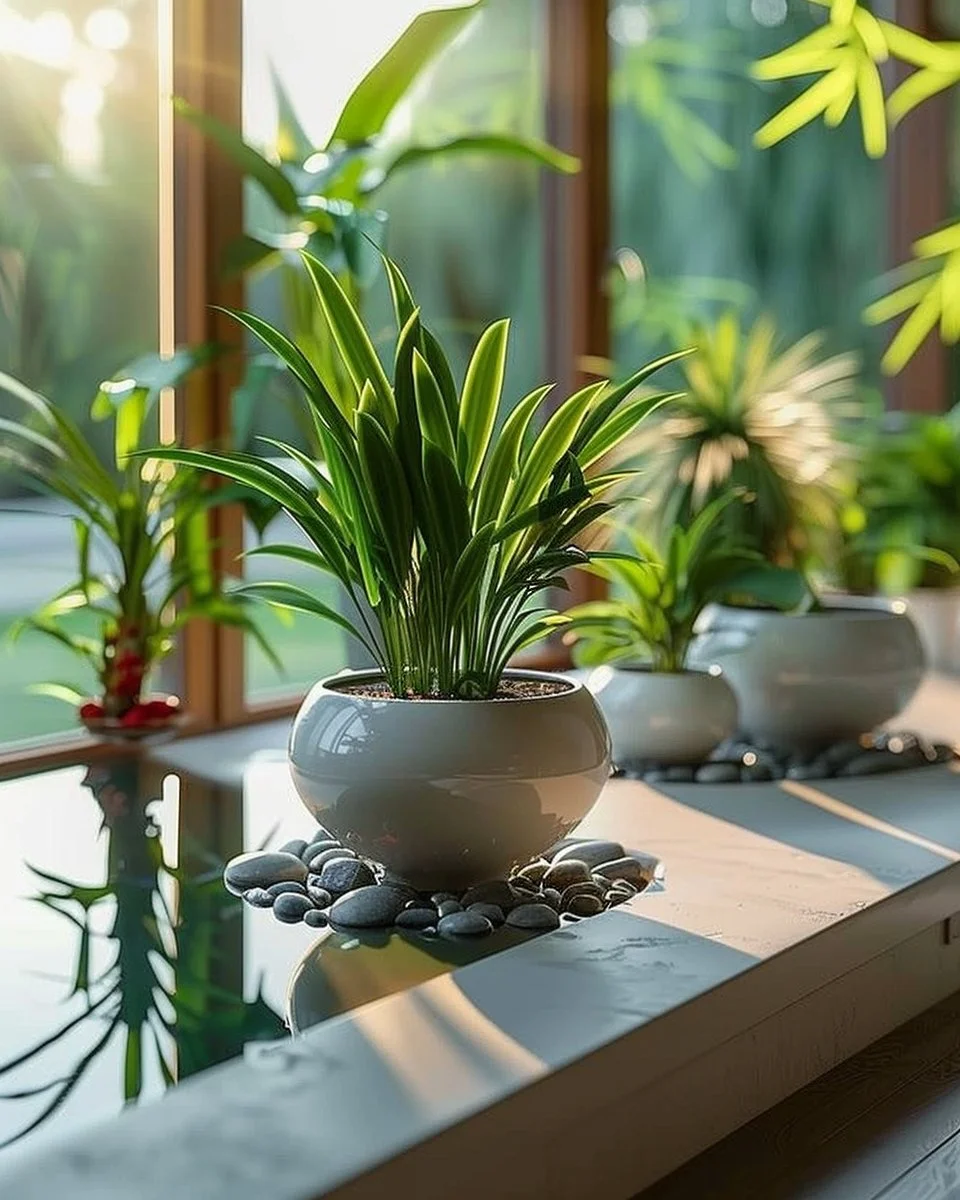
There’s something undeniably magical about houseplants, but few capture that charm quite like lucky bamboo. Known not just for its green allure but also for its symbolic representation of prosperity and good luck, lucky bamboo is a staple in many homes and offices. Have you ever noticed how a little greenery can lift your spirits or change the ambiance of a space? That’s the power of plants! In this article, we’ll explore 9 Enchanting Tips to Flourish Your Lucky Bamboo for Prosperity and Charm – BambRise. We’re going to delve into nurturing techniques, placement strategies, and even the best care practices to ensure your lucky bamboo thrives while bringing charm and prosperity into your life.
Table of Contents
Choosing the Right Type of Lucky Bamboo
When starting your lucky bamboo journey, it’s important to choose the right type. While many people go for the classic Dracaena sanderiana—often sold in stores as lucky bamboo—there are actually varieties that can add different vibes to your space. For instance, if you want something that grows tall, try the three or seven-stalk varieties, as these are often associated with different forms of luck and prosperity.
Have you ever seen those intricate arrangements of lucky bamboo? They’re not just pretty; they’re also symbols of various types of luck! Here’s a fun tip: if you’re looking for love, opt for the two-stalk arrangement; it’s said to promote romantic relationships. So, take a moment to consider what you want from your lucky bamboo before making a selection.
Optimal Watering Techniques
Watering is one of the most crucial aspects of keeping your lucky bamboo healthy. Lucky bamboo loves water but doesn’t want to drown. Here’s where it gets interesting—what kind of water you use can impact its growth significantly.
Distilled vs. Tap Water
Using distilled water is ideal because it lacks the chemicals often found in tap water, such as chlorine and fluoride, which can harm the plant. If you must use tap water, let it sit out overnight. This method allows harmful chemicals to evaporate, making it safer for your green friend.
Signs of Overwatering
Have you ever noticed your lucky bamboo looking a bit sad? Yellowing leaves can signal overwatering or root rot. If this happens, gently remove the plant from its pot and inspect the roots: healthy roots will be firm and white. If they’re mushy or brown, trim them away and repot the plant in fresh, clean water.
Ideal Lighting Conditions
While lucky bamboo can tolerate low light, it truly flourishes in bright, indirect sunlight. This balance can be a bit tricky to master. You can almost think of it like balancing the heat in a relationship—it needs attention but not too much!
Avoid placing your lucky bamboo in direct sunlight, as this can scorch its leaves. A perfect spot might be near a window that lets in filtered light, giving the plant the brightness it craves without the harshness of direct rays.
Nutrient Requirements for Healthy Growth
Lucky bamboo doesn’t ask for much in terms of nutrients, but occasional feeding can encourage vibrant growth. You may want to try a diluted liquid fertilizer designed for houseplants. Just remember, moderation is key!
A good rule of thumb is to fertilize every few months or so, especially during the growing season. This not only helps your lucky bamboo grow stronger but also enhances the lush green color—an eye-catching feature in any room.
Repotting Your Lucky Bamboo
Like all plants, lucky bamboo will eventually outgrow its home. Knowing when and how to repot can save you a lot of hassle later on.
When to Repot
Repotting is usually needed once a year, especially if you notice your plant has become root-bound. Signs of being root-bound include roots coming out of the drainage holes or a general halt in growth.
Choosing the Right Pot
When it comes to selecting a new pot, look for one that has good drainage. You want your plant to breathe! A terracotta pot is a great option, as it allows for airflow and helps prevent overwatering.
Understanding Feng Shui with Lucky Bamboo
Incorporating lucky bamboo into your home isn’t just about aesthetics; it also weaves in the principles of Feng Shui. Different arrangements and numbers of stems can symbolize various types of luck. For example, a single stalk is often associated with independence and simplicity, while five stalks represent health and abundance.
Have you ever considered how your lucky bamboo arrangement affects the energy in your space? The placement of your lucky bamboo can energize your environment, attracting positive vibes when positioned correctly.
Common Pests and How to Manage Them
Every gardener’s nightmare—pests. Understanding how to manage common pests like spider mites, aphids, and mealybugs will keep your lucky bamboo flourishing.
A gentle soap solution can work wonders; just a little bit diluted in water and applied with a cotton ball can eliminate unwanted guests without harming your plant.
Troubleshooting Growth Issues
Despite your best efforts, lucky bamboo can sometimes show signs of stress. Common issues include yellow leaves, stunted growth, or wilting.
If the leaves are turning yellow, it may be a sign of low light or overwatering. Conversely, stunted growth could indicate that the plant needs more nutrients or a little extra light. The beautiful thing about plants is that they often tell you what they need if you know how to listen.
Conclusion
Fortifying your space with lucky bamboo doesn’t just bring beauty; it’s an act infused with intention. Following these 9 Enchanting Tips to Flourish Your Lucky Bamboo for Prosperity and Charm – BambRise will not only ensure its growth but also enhance the charm and prosperity it symbolizes. As you nurture your lucky bamboo, remember the principles of care—light, water, and love will create a thriving plant that invigorates your space. So, why not invest a little time into your green friend? You might be surprised at how much joy and prosperity it can bring to your life!
FAQs
What type of water is best for lucky bamboo?
The best type of water for lucky bamboo is distilled water, but treated tap water can work if left out overnight.
How often should I fertilize my lucky bamboo?
Fertilize your lucky bamboo every few months during the growing season to help it thrive.
Is it okay to keep lucky bamboo in low light?
Yes, lucky bamboo can tolerate low light, but it will grow best in bright, indirect sunlight.
What do I do if my lucky bamboo leaves turn yellow?
Yellow leaves may indicate overwatering or low light conditions. Adjust your care accordingly to see improvement.
How can I prevent pests on my lucky bamboo?
Regularly inspect your plant and use a gentle soap solution to eliminate pests without harming the plant.