
Introduction
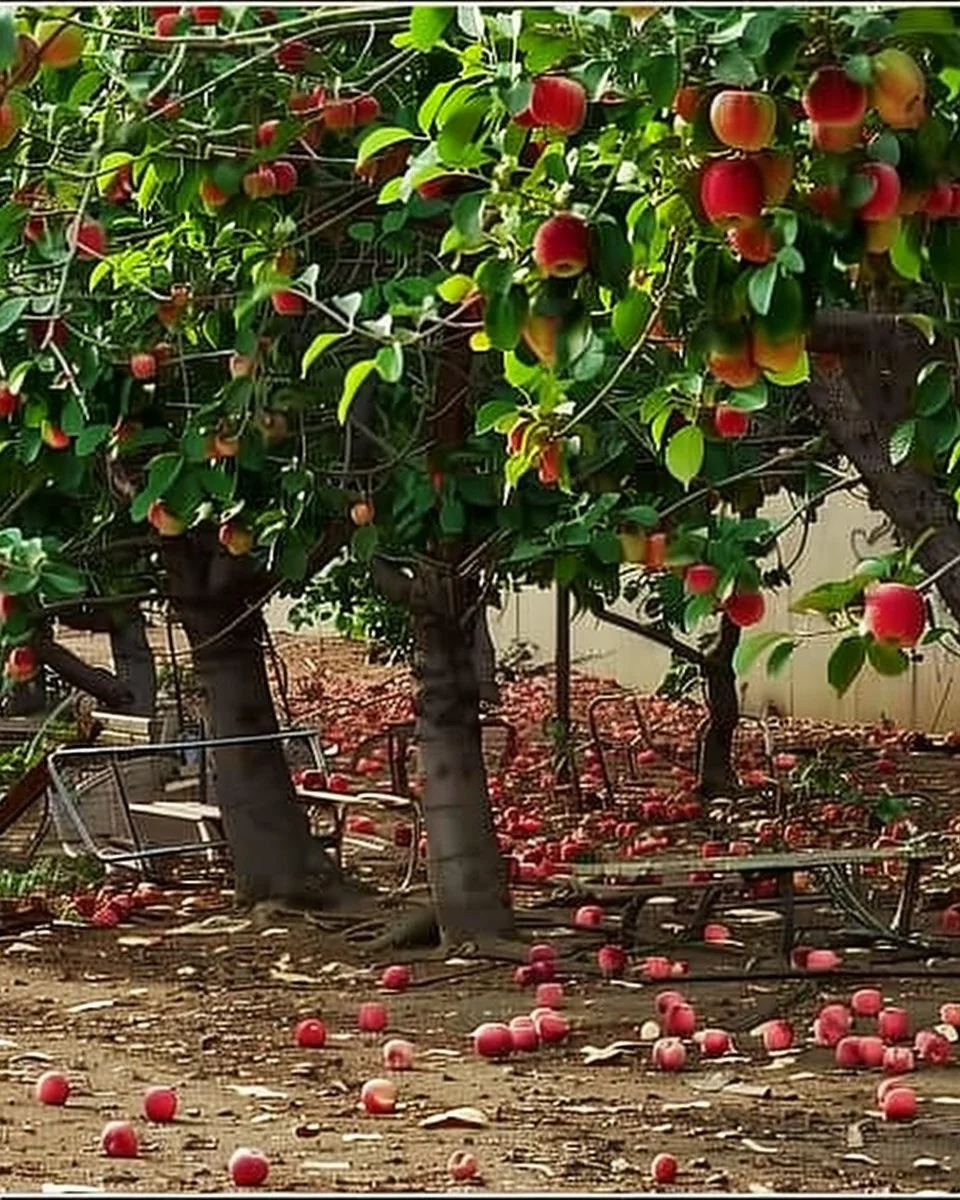
Have you ever dreamed of stepping into your backyard and plucking fresh fruit right off a tree? The allure of a personal orchard is not just a fantasy; it’s a rewarding and delicious reality. Imagine the satisfaction of tending to your own fruit-bearing trees, providing sweet rewards for your patience and care. In this guide, we’ll explore 9 Fruit Trees for a Backyard Orchard that will thrive in your space, offering bountiful harvests and stunning seasonal beauty. You’ll learn about the best varieties, care tips, and how to plan your orchard layout for maximum enjoyment and yield. Let’s dig in!
Table of Contents
Choosing the Right Trees for Your Climate
Assessing Your Hardiness Zone
Before you plant, understanding your hardiness zone is crucial. This USDA classification helps you determine which trees will thrive in your specific climate, as different fruit trees have varying temperature tolerances. For instance, apple trees generally flourish in zones 3 to 8, while citrus trees prefer warmer environments, typically thriving in zones 9 to 11. To find your zone, you can use the USDA Plant Hardiness Zone Map available online. It’ll guide you in choosing the right varieties for your backyard orchard.
Understanding Sunlight and Soil Needs
Different fruit trees have diverse needs for sunlight and soil types. Most fruit trees require at least six hours of direct sunlight daily for optimal growth and fruit production. Soil quality is equally vital; sandy loam is usually ideal for most fruit-bearing trees. However, a simple soil test can help you understand pH levels and nutrient requirements, allowing you to amend your soil for the best possible growth.
Top 9 Fruit Trees for a Backyard Orchard
Apple Trees
Apple trees are a classic choice for any backyard orchard. They come in various varieties, such as Honeycrisp and Gala, offering sweet, crispy fruit that’s perfect for eating fresh or baking. With proper care, apple trees can produce a bountiful harvest—some varieties yielding up to 300 apples in a single season! To get started, choose a variety suited to your hardiness zone and ensure you plant at least two for cross-pollination.
Pear Trees
If you love the gentle sweetness of pears, consider adding pear trees to your orchard. Varieties like Bartlet and Bosc are popular choices. These trees are relatively easy to grow and can yield fruit within three to five years of planting. Pear trees thrive in well-drained soil and need plenty of sunlight, making them perfect companions to apple trees.
Cherry Trees
There’s nothing quite like biting into a juicy cherry straight from the tree in mid-summer. Sweet cherry trees need well-drained soil and full sunlight. Consider planting Bing or Rainier varieties for sweetness. On the other hand, sour cherry trees like Montmorency are perfect for baking. These trees do need certain companion varieties for cross-pollination, so be sure to plant more than one.
Peach Trees
For a delicious and fragrant addition, peach trees are an excellent choice. Their beautiful blossoms in spring make them a stunning part of your landscape. Varieties such as Elberta or Red Haven thrive well in a sunny spot, and with proper care, they yield abundant, juicy fruit. Peaches generally prefer well-draining sandy-loam soil and need protection from extreme cold.
Plum Trees
Plum trees can be incredibly rewarding, producing sweet fruit that’s perfect for fresh eating, jams, or baking. Japanese varieties like Santa Rosa are known for their excellent flavor and minimal maintenance. To ensure a fruitful harvest, plant two different varieties to promote cross-pollination.
Fig Trees
Figs are becoming increasingly popular for backyard orchards due to their unique taste and the aesthetic appeal of their sprawling branches. Varieties like Brown Turkey thrive in warmer climates, producing sweet fruit that’s perfect for fresh consumption or drying. Figs prefer well-drained soil and need protection from frost, so choose a sheltered location for planting.
Citrus Trees
If you’re in a warmer region, citrus trees can bring a tropical flair to your backyard. Varieties like lemon, lime, and orange trees not only produce delicious fruit but their fragrant blossoms are a delight in spring. Citrus trees do require a bit more care when it comes to frost protection and pest control, so be prepared for regular maintenance.
Apricot Trees
Apricot trees are great for cooler climates and produce sweet, golden fruit. Varieties like Tilton and Katy are particularly popular for their flavor. They thrive best in well-drained soil and need pollinators to produce fruit, so consider planting more than one for a better yield.
Pomegranate Trees
If you’re looking for something unique, pomegranate trees are an attractive option. They thrive in warm climates and produce striking flowers before yielding fruit. Consider choosing a disease-resistant variety for the best results. These trees prefer well-drained soil and minimal watering once established.
Planting and Caring for Your Trees
When to Plant Your Trees
Timing your planting is vital for your orchard’s success. The best time to plant fruit trees is in early spring or late fall, depending on your climate. Take care to choose a day when the soil isn’t overly wet or frozen. Proper planting techniques include digging a wide, deep hole and gently spreading the roots before backfilling with soil.
Watering and Fertilization Tips
Regular watering is essential, especially for young trees. A deep watering once or twice a week is often enough, depending on your climate and soil type. Once your trees are established, you can adjust your watering schedule based on seasonal rainfall. Fertilization should typically occur in early spring, using a balanced fertilizer to encourage healthy growth—make sure to follow recommended guidelines for application rates.
Common Pests and Diseases to Watch For
Keeping an eye out for pests and diseases is essential for maintaining the health of your orchard. Common issues include aphids, scale insects, and fruit rot. Emphasizing preventative measures such as good sanitation practices, such as cleaning fallen fruit, can significantly reduce pest problems. Introducing beneficial insects, like ladybugs, can also help manage pests naturally.
Harvesting and Enjoying Your Orchard’s Bounty
There’s nothing more rewarding than enjoying the fruits of your labor. Know when your fruit is ripe—this can vary from tree to tree. For instance, apples should be picked when they have a rich color and feel firm to the touch. Enjoy fresh fruit as is, bake delicious treats, or even consider canning or freezing to enjoy your harvest long after the season ends.
Creating a Beautiful Orchard Space
Don’t forget that your orchard can be a beautiful space to enjoy with family and friends. Consider planting companion flowers like marigolds or sunflowers to attract pollinators and provide color. Adding paths, seating areas, and decorative elements can transform your orchard into a lovely retreat.
Conclusion
Creating your own backyard orchard with these 9 Fruit Trees for a Backyard Orchard is a fulfilling endeavor that can provide you with fresh, delicious fruits for years to come. From apples to pomegranates, there’s a variety to suit every taste and climate. By understanding your local growing conditions and properly caring for your trees, you’ll cultivate an edible landscape that not only feeds your family but also enhances your outdoor experience. So grab your gardening tools, dig in, and enjoy the journey of nurturing nature’s bounty!
FAQs
What is the best time to plant fruit trees?
The best time to plant fruit trees is in early spring or late fall when the soil is workable and temperatures are moderate.
How long does it take for fruit trees to bear fruit?
Typically, most fruit trees will start to bear fruit within three to five years, though some may take longer depending on the variety.
Do I need more than one fruit tree for cross-pollination?
Yes, many fruit-bearing trees, such as apples and pears, require another tree for cross-pollination to produce a good harvest.
How often should I fertilize my trees?
Young trees typically benefit from fertilization once a year in early spring. Established trees usually need less frequent feeding.
What are common pests that affect fruit trees?
Common pests include aphids, codling moths, and spider mites. Regular inspections and good garden maintenance can help keep them at bay.