
Introduction
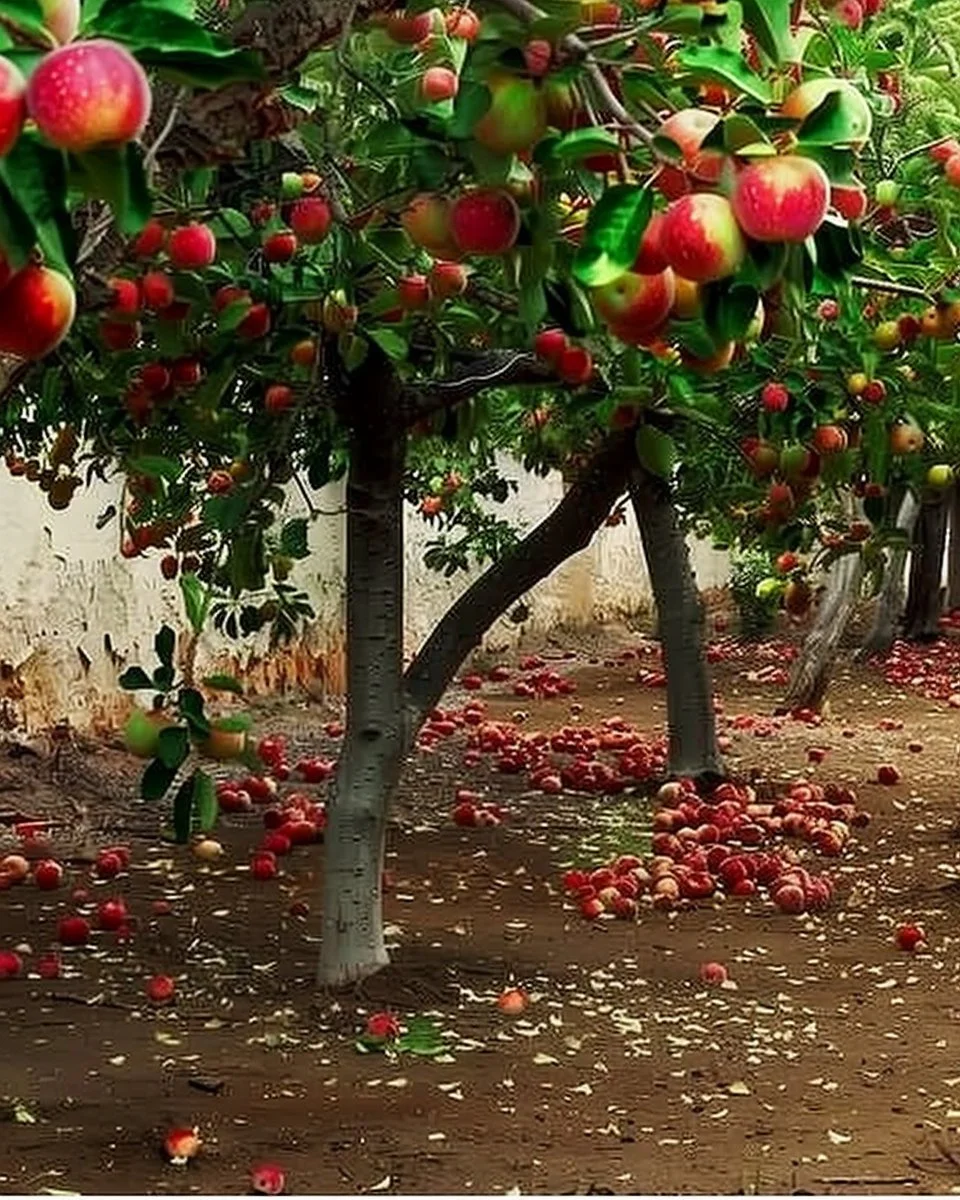
Picture this: you step outside into your backyard, the sun kisses your skin, and a gentle breeze rustles the leaves of your flourishing garden. As you stroll through rows of vibrant trees bursting with fruit, you can’t help but smile. Growing your own fruit trees not only beautifies your space but also provides delicious, fresh produce at your fingertips. In this article, you’ll explore the 9 Fruit Trees for a Backyard Orchard that can transform your yard into a fruitful haven. We’ll cover their benefits, care tips, and varieties so you can choose the perfect additions to your home. Whether you have a sprawling estate or a cozy urban plot, there’s something here for everyone!
Table of Contents
Choosing the Right Location for Your Orchard
When planting fruit trees, the location plays a paramount role in their growth and productivity. Ideally, you want a spot that receives full sun for at least six to eight hours a day. Do you have any large trees or buildings nearby? Ensure that they won’t cast shade, especially during critical growing periods.
Also, consider the soil—fruit trees thrive in well-drained soils. If your backyard has heavy clay, you might want to amend it with compost or organic matter to enhance drainage. Lastly, ensure access to water; a nearby hose or irrigation system can save you time and effort during dry spells.
Top 9 Fruit Trees for a Backyard Orchard
Apple Trees
Apple trees are perhaps the quintessential choice for many backyard orchards. They come in numerous cultivars that range from sweet to tart. Varieties like ‘Honeycrisp’ and ‘Granny Smith’ are well-loved for their flavor. Not only are they relatively easy to care for, but they also attract pollinators, adding life to your garden. Apples thrive in full sun and require regular watering, especially when they’re young.
Peach Trees
If you’ve ever bitten into a perfectly ripe peach, you know the joy they can bring! Peach trees produce luscious fruit during the summer months. Varieties like ‘Elberta’ and ‘Redhaven’ are popular for their robustness and flavor. They do require a bit more care regarding pruning and pest management, but the sweet reward in August makes it all worthwhile.
Cherry Trees
Cherry trees can be a stunning focal point in your orchard due to their beautiful blossoms in the spring. They come in sweet varieties like ‘Bing’ and tart ones like ‘Montmorency.’ Keep in mind they need well-drained soil and good airflow around the tree to prevent disease. Have you considered adding this spectacle to your garden?
Pear Trees
Renowned for their crisp, juicy fruit, pear trees can be a delightful addition. Varieties such as ‘Bartlett’ and ‘Bosc’ thrive in various climates and offer an abundance of fruit. They require less maintenance than some other trees, making them great for beginners. Just be sure to plant them with another variety nearby for proper pollination.
Plum Trees
Plum trees not only bear sweet, juicy fruit but also add decorative value with their stunning flowers in the spring. Varieties like ‘Santa Rosa’ and ‘Slo’ are easy to grow and produce bountiful crops. They prefer warmer climates but can adapt to different environments. With the right care, you’ll be harvesting plump plums in no time!
Fig Trees
Figs are an amazing addition for those living in warmer regions. They thrive in hot, dry climates and can even be grown in pots! ‘Brown Turkey’ and ‘Kadota’ varieties are particularly popular. Regular watering during their first year will lead to a fruitful, robust tree, and the reward is a unique taste you won’t find in grocery stores.
Pomegranate Trees
Pomegranate trees are perfect for adding a unique flavor to your orchard. These drought-tolerant trees prefer sunny locations and produce bright red, jewel-like fruit. They’re wonderful for creating a Mediterranean vibe in your backyard. Make sure to plant them in well-drained soil to help them flourish.
Citrus Trees
For a refreshing scent and taste, consider citrus trees like orange, lemon, and lime. They thrive in sunny areas and require well-drained soil. Varieties like ‘Eureka’ lemons and ‘Valencia’ oranges are popular choices. Growing citrus can also be rewarding as they can be maintained in pots if space is limited.
Apricot Trees
Lastly, don’t forget about apricot trees! These trees produce sweet fruit that’s perfect for fresh eating or canning. Varieties like ‘Tilton’ and ‘Blenheim’ are typically favored. They need full sun and well-drained soil, but they yield beautiful fruits that make the wait worthwhile.
Maintaining Your Orchard: Tips and Tricks
Once your trees are planted, keeping them healthy is essential. Regular watering is crucial, especially during the first few years while they are establishing their root systems. Mulching around the base can help retain moisture and suppress weeds.
Pruning your trees is another vital aspect of maintenance. It promotes better air circulation and allows sunlight to reach all parts of the tree. Research the best time to prune each variety to ensure optimal growth.
Have you thought about how to protect your trees from harsh weather? For fruit trees susceptible to frost, consider using frost cloths in late spring and early fall. You’ll be amazed at how a little protection can lead to a fruitful harvest!
Common Pests and Diseases
Like any garden, an orchard isn’t without its challenges. Pests such as aphids, spider mites, and fruit flies can be problematic. Keeping an eye out for these and using organic measures, like neem oil or insecticidal soap, can keep them at bay.
Diseases are another concern, with the possibility of fungal diseases like powdery mildew and black knot. Regularly inspecting your trees and maintaining good airflow will make a difference. If you notice an issue, early intervention is key to managing and treating any outbreak.
Harvesting and Enjoying Your Fruit
Once harvest time arrives, the thrill of picking your fruit can’t be overstated! Depending on the tree variety, fruits may be ready from late spring to early fall. It’s important to know the right time to pick; generally, fruits should be firm but yield slightly under pressure when ripe.
After harvesting, be sure to wash them thoroughly. Enjoy them fresh, bake them into pies, or even make jam. The great thing about growing fruit is being able to share with friends and family. Consider hosting a harvest party where you can showcase your hard work!
Inspiration from Real Orchard Stories
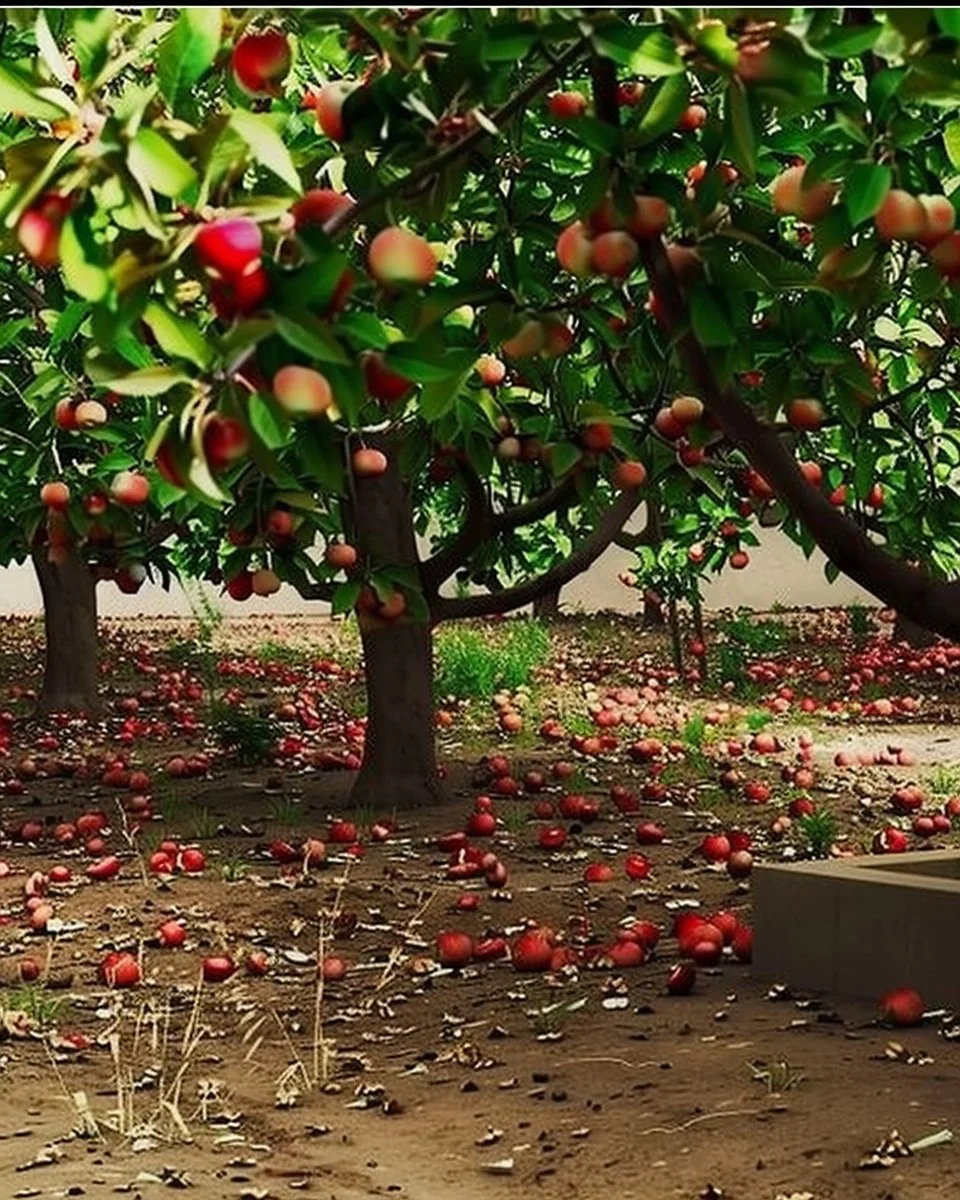
I have a friend, Sarah, who transformed her tiny urban backyard into a vibrant orchard. With a mix of apple and peach trees, she’s been amazed at the variety she can produce in limited space. What once was a dull patch of grass is now a flourishing garden, filled with the sweet scents of summer. Sarah often shares her bounty with neighbors, and it’s created a wonderful sense of community in her area.
Her success story can be yours, too! Remember, with the right planning and care, you can turn your backyard into a productive and delightful oasis.
Conclusion
Exploring the 9 Fruit Trees for a Backyard Orchard opens up a world of possibilities for your garden. Whether you prefer the crisp bite of an apple or the sweet juiciness of a peach, each tree brings something unique to your yard and your table. Remember to choose the right location, provide necessary care, and enjoy the fruits of your labor. Transforming your backyard into an orchard isn’t just about fruit—it’s about creating memories and enjoying nature.
FAQs
Q: How much space do I need for a backyard orchard?
A: Ideally, you’ll want at least 10-15 feet between each tree to allow for proper growth and air circulation. However, using dwarf varieties can significantly reduce space requirements.
Q: Can I grow fruit trees in pots?
A: Yes! Many fruit trees, especially smaller or dwarf varieties, can thrive in pots. Just ensure they are large enough to support root growth and have excellent drainage.
Q: When is the best time to plant fruit trees?
A: Early spring or late fall is usually the best time to plant fruit trees while they are still dormant, helping to establish roots before the growing season.
Q: How long will it take for my fruit trees to bear fruit?
A: Depending on the tree species and variety, it may take anywhere from 2 to 5 years for fruit production to begin.
Q: What’s the best way to protect young trees from pests?
A: Regular inspections and organic deterrents like neem oil can help protect young trees. Additionally, placing physical barriers like netting can be effective against birds and larger pests.