
Introduction
Have you ever dreamed of stepping into your backyard and plucking fresh fruit from your very own trees? If you live in a small space, you might think that’s just a fantasy. Luckily, there’s good news! The trend of dwarf fruit trees is on the rise, making it possible to cultivate a backyard orchard without sacrificing valuable space. In this article, we will explore the 9 Best Dwarf Fruit Trees For Small Backyards, showcasing varieties that are not only compact but also incredibly fruitful.
With careful selection, these dwarf trees can flourish in even the tiniest of gardens, providing you with bountiful harvests and stunning beauty. So, let’s dive into the world of dwarf fruit trees and discover which ones are perfect for your small backyard!
Table of Contents
Understanding Dwarf Fruit Trees
What Are Dwarf Fruit Trees?
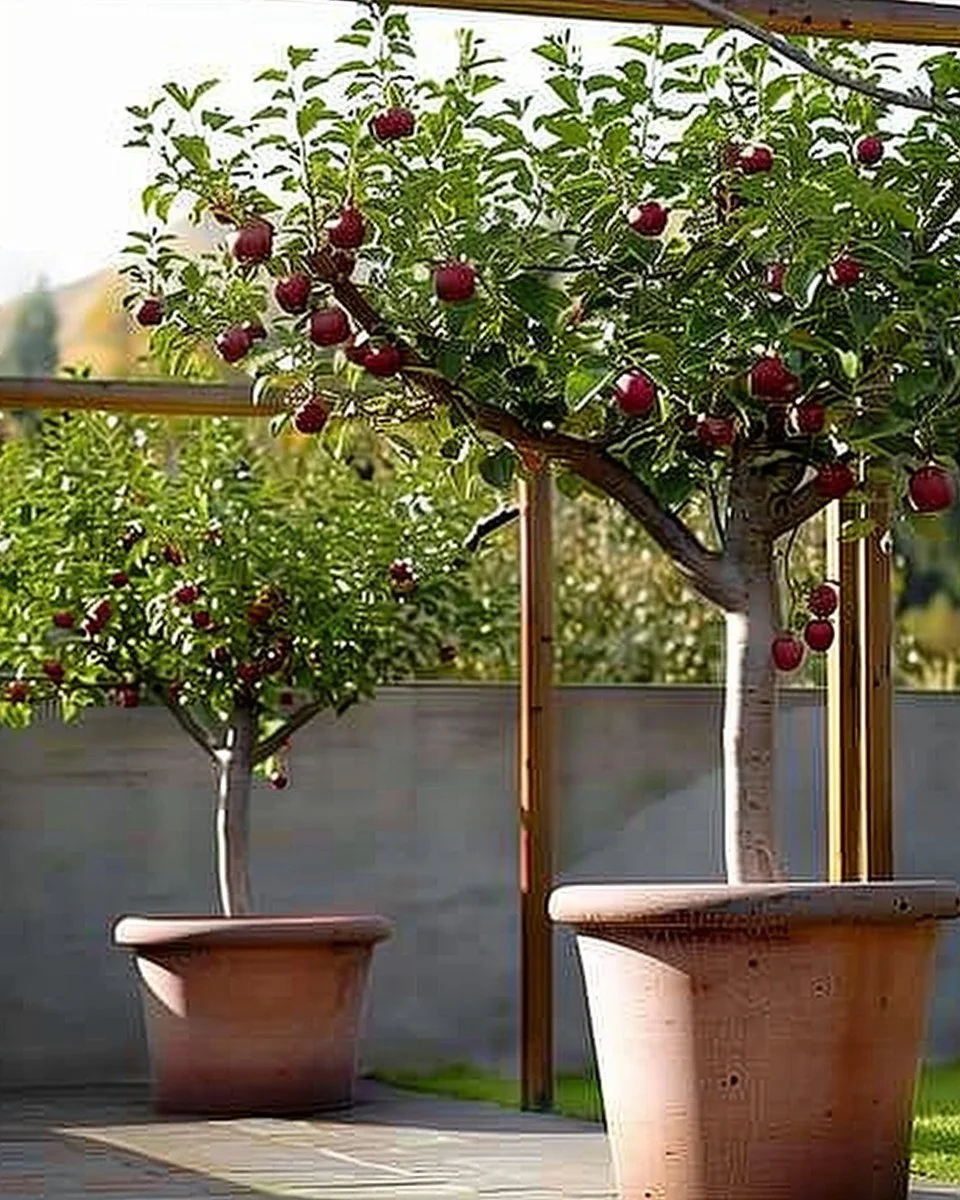
Dwarf fruit trees are hybrid trees bred to remain small while still producing full-sized fruit. Typically, these trees reach no more than 4 to 8 feet in height and can easily be managed in a smaller space compared to traditional fruit trees. Their compact size makes them ideal for those who want to enjoy homegrown fruit without requiring vast amounts of land.
Benefits of Dwarf Fruit Trees
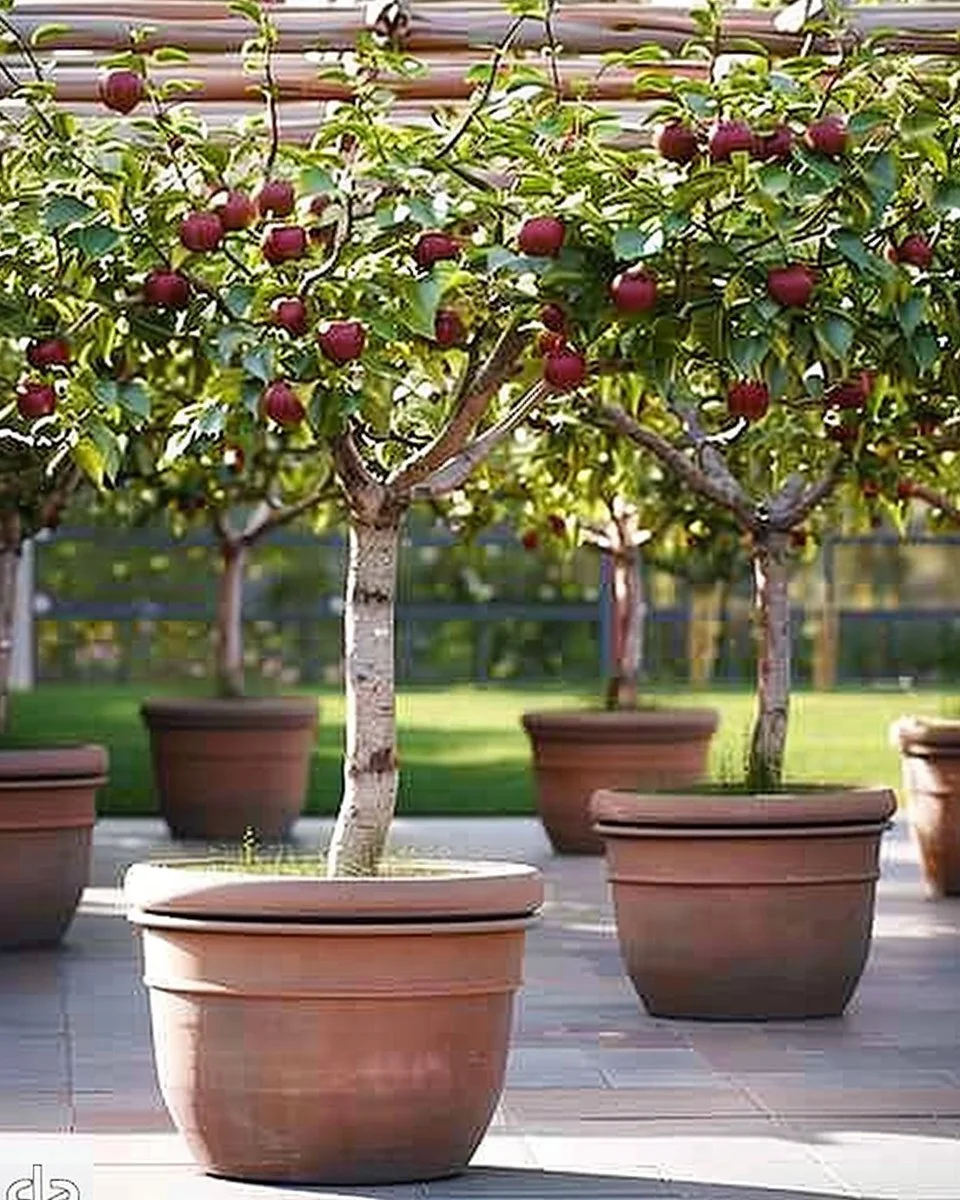
One of the most appealing advantages of dwarf fruit trees is their ability to thrive in limited space. They also tend to produce fruit more quickly than standard trees, often bearing fruit in just a couple of years. Additionally, many dwarf varieties can be grown in containers, offering even more versatility for gardening enthusiasts. Plus, their manageable height makes pruning, harvesting, and caring for them much simpler.
Top Dwarf Fruit Trees
Apple Trees
Popular Varieties
Some popular dwarf apple varieties include ‘Honeycrisp’, ‘Granny Smith’, and ‘Fuji’. Each offers a unique flavor, ensuring you can find the perfect fit for your palate.
Best Growing Conditions
Apple trees thrive in full sun and well-draining soil. A little protection from the wind and consistent watering will help these trees flourish. Additionally, you can easily train them into a shape that suits your space.
Peach Trees
Popular Varieties
Dwarf peach trees like ‘Bonanza’ and ‘Honey Babe’ yield sweet, juicy peaches that are simply irresistible.
Care Tips
Peach trees require warm weather and should be planted in a sunny location. Regular pruning will not only help keep them small but also encourage healthy growth and fruit production.
Cherry Trees
Popular Varieties
Look for varieties such as ‘Stella’ or ‘Compact Stella’, which provide delicious cherries without taking up much space.
Maintenance
Cherry trees prefer well-drained soil and benefit from a bit of shade in hotter climates. Be sure to thin out excess buds in the spring to allow the remaining cherries to grow larger and juicier.
Citrus Trees
Popular Varieties
Dwarf citrus trees like ‘Improved Meyer’ lemon and ‘Trovita’ orange are perfect for adding zesty flavors to your backyard. The fragrant blossoms also attract pollinators.
Best Growing Conditions
These trees love full sun and well-draining soil. They should be watered regularly but avoid letting them sit in water, as this can lead to root rot.
Fig Trees
Popular Varieties
Dwarf fig trees such as ‘Petite Negra’ are delightful options that produce sweet figs that ripen in summer.
Care Tips
Figs prefer a sunny location and well-draining soil. During the hot summer months, they will need regular watering to prevent the fruit from splitting.
Tips for Planting and Caring for Dwarf Trees
Selecting the Right Location
Choosing the ideal spot for your dwarf fruit trees is essential. They need plenty of sunlight—at least six hours a day—and an area sheltered from harsh winds. If you’re planting in a container, make sure the pot is large enough to accommodate the roots as they grow.
Watering and Fertilizing
Established dwarf trees typically need about an inch of water per week. When fertilizing, look for a balanced fertilizer formulated for fruit trees and follow the instructions based on the size and age of your tree.
Pest Control Measures
Dwarf fruit trees can be susceptible to pests like aphids and fruit flies. Regular inspections and organic pesticides can help maintain their health. Additionally, introducing beneficial insects like ladybugs can assist in controlling pest populations.
Conclusion
Dwarf fruit trees are a fantastic way to create a vibrant and productive garden, even in a small backyard. With options ranging from apples to figs, there’s a right tree for everyone. By carefully selecting the right varieties and employing some simple care techniques, you can enjoy fresh, delicious fruit and the satisfaction that comes with growing your own food. Remember, gardening is a journey, and these 9 Best Dwarf Fruit Trees For Small Backyards can be a delightful part of yours!
FAQs
What is the best time to plant dwarf fruit trees?
The best time to plant dwarf fruit trees is in the spring, after the last frost, or in the fall when the temperatures begin to cool.
How long does it take for dwarf fruit trees to bear fruit?
Most dwarf fruit trees can produce fruit within two to three years after planting.
Can dwarf fruit trees be grown in containers?
Yes! Many dwarf fruit trees are perfect for container gardening, making them ideal for balconies or patios.
Do dwarf fruit trees need pollinators?
Some varieties are self-pollinating, but others may benefit from cross-pollination for better fruit set. Check specific tree requirements before planting.
What should I do if my dwarf fruit tree isn’t producing fruit?
Make sure your tree is getting enough sunlight and water and that it has been properly pruned. If it still doesn’t fruit, consult a local gardening expert for advice.