
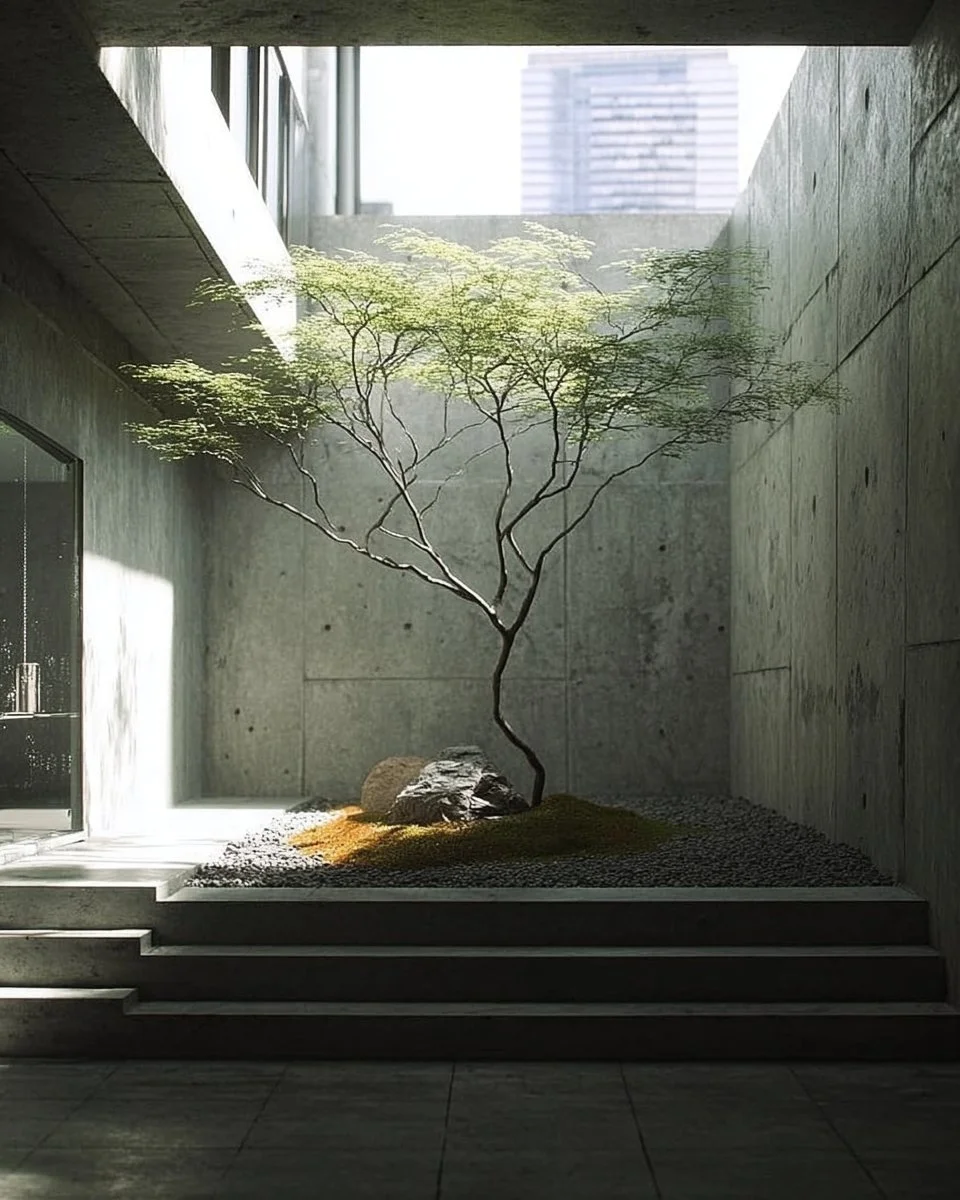
Have you ever wandered through a space that immediately made you feel calm and at peace? There’s a unique quality to certain designs that speak to our inner desire for tranquility and connectedness with nature. One of those designs is the traditional Japanese courtyard house. These architectural gems are more than just homes; they’re sanctuaries that exemplify harmony and mindfulness. In this article, we’ll explore 83 Japanese Courtyard Houses That Embrace Full Zen, revealing the core principles of Zen design, the elements that define these structures, and how they integrate with nature. By the end, you’ll not only gain deeper insight into these beautiful homes but also learn how you might incorporate Zen principles into your own living space.
Table of Contents
Understanding Zen Architecture
The Essence of Zen Design
Zen architecture embodies a philosophy rooted in simplicity, tranquility, and a deep respect for nature. The aim is not merely to create a living space but to offer a sanctuary that allows one to engage with the surrounding environment. In Japanese courtyard houses, this philosophy comes to life through thoughtful design that harmonizes with its natural setting.
Cultural Influences on Courtyard Houses
The design of Japanese courtyard houses reflects centuries of cultural evolution, influenced by Shinto beliefs, Buddhist principles, and traditional Japanese aesthetics. Spaces are often designed with a deep reverence for balance and harmony, showcasing how human structures can seamlessly blend into the landscape.
Key Features of Japanese Courtyard Houses
Natural Materials Used in Construction
The use of natural materials is a hallmark of Japanese courtyard houses. Wood, stone, and paper are the primary elements found in these structures. The appeal lies in their organic textures and colors, fostering a connection between the interior spaces and the outdoor landscape. Imagine walking on a wooden floor that feels warm beneath your feet while looking out onto a serene garden—how inviting!
Indoor-Outdoor Living Spaces
One of the most striking aspects of Japanese courtyard houses is their ability to blur the lines between indoors and outdoors. Large sliding doors and open layouts allow for fresh air and natural light to flow in. These features encourage a lifestyle that embraces nature, making the home part of the surrounding environment. Imagine sipping tea while surrounded by the sights and sounds of a gentle rain falling outside—pure bliss.
Minimalist Aesthetic and Space Utilization
Minimalism plays a crucial role in the design of these homes. Spaces are intentionally crafted to eliminate clutter, emphasizing functionality and simplicity. You’ll often find built-in storage solutions that keep belongings organized and out of sight. This minimalist approach not only looks beautiful but also promotes a sense of peace and order. It’s a practice that many people prefer, leading to the question: How can we implement minimalism in our daily lives?
Inspiring Examples of Courtyard Houses
Traditional vs. Contemporary Designs
Exploring the differences between traditional and contemporary Japanese courtyard houses reveals how these principles adapt to modern needs. Traditional designs often feature intricate wooden beams and tatami mats, while contemporary takes may incorporate glass and steel, achieving a stunning balance between old and new. Each style tells a story about the evolution of Japanese culture and architectural practices.
Notable Architects and Their Works
Several architects have gained recognition for their work on Japanese courtyard houses. Renowned figures like Tadao Ando and Kengo Kuma have created stunning examples of how modern design can still embrace Zen principles. Their projects range from personal residences to public spaces, each merging functionality with spiritual aesthetics.
Case Study: A Zen Retreat Experience
Imagine stepping into a Zen retreat designed by Tadao Ando. You enter through a minimalistic wooden door, stepping onto smooth stones leading to a central courtyard filled with raked gravel and a tranquil water feature. This space isn’t just about appearance; it’s a carefully curated experience that promotes introspection and mindfulness. Such case studies illustrate how effective design can elevate our environment and well-being.
Incorporating Zen Principles at Home
Simple Ways to Create a Zen Space
Incorporating Zen principles into your home doesn’t require a full renovation. Start small by decluttering your space; this alone can create a peaceful environment. Add elements like indoor plants or a simple water feature to cultivate tranquility. Have you ever considered how much more relaxed you feel surrounded by greenery?
Gardening Tips for Tranquility
Creating a garden can be a wonderful way to embrace Zen principles. Focus on creating a space that engages the senses. Consider serene pathways, simple water features, and strategically placed seating that invites time spent outdoors. Different textures and colors can also enhance the environment, making it visually and spiritually uplifting.
Choosing the Right Colors and Materials
Color plays a vital role in establishing a Zen atmosphere. Soft, neutral tones promote relaxation, while natural materials like bamboo, clay, or smooth stone contribute to a calming environment. It’s fascinating how even small changes in color palette can shift the energy of a space—have you found particular colors calming?
The Role of Nature in Zen Living
Connecting with the Four Elements
In traditional Japanese design, the four elements—earth, water, fire, and air—are integrated into the architecture and landscaping. From a calm water feature mimicking a natural stream to a small fire pit for warmth and gathering, these elements promote a balanced environment. Engaging with nature in everyday life fosters a connection that can help ground us amid life’s chaos.
The Importance of Light and Water
Natural light is another key element. Large windows and open spaces allow sunlight to illuminate interiors. Incorporating water features can add tranquility and sound, creating an immersive experience that heightens one’s awareness of nature. Imagine how soothing the sound of flowing water can be—it’s no wonder it’s often featured in Zen gardens.
Practical Tips for a Zen Mindset
Mindfulness Practices at Home
Adopting mindfulness practices can enrich your life and enhance your living environment. Simple habits like morning meditation, mindful eating, or just taking a moment to breathe can bring clarity and calm. Consider logging a daily journal to reflect on your experiences—how do you feel after a moment of stillness?
Daily Routines to Foster Calm
Incorporating Zen principles into your daily routines is a powerful way to cultivate a peaceful mindset. Designate time for activities that nurture your spirit, such as yoga, reading, or simply enjoying a hot cup of tea. These moments not only provide comfort but also help create a soothing rhythm in day-to-day life.
Conclusion
From understanding the cultural influences on Zen architecture to practical tips for incorporating these principles at home, we’ve delved into the beauty of 83 Japanese Courtyard Houses That Embrace Full Zen. It’s fascinating to see how these structures guide us toward simplicity, harmony, and a deeper connection with nature. By applying even a few of these principles, we can transform our living spaces into sanctuaries that nurture our well-being. So, why not take a moment today to create a little zen in your own home?
FAQs
What are the main features of Japanese courtyard houses?
Japanese courtyard houses typically feature natural materials, an indoor-outdoor living concept, and a minimalist aesthetic that emphasizes tranquility and harmony with nature.
How can I create a Zen-like atmosphere in my home?
You can achieve a Zen atmosphere by decluttering, incorporating natural elements like plants, using neutral colors, and creating spaces for mindfulness practices.
What is the significance of gardens in Japanese courtyard houses?
Gardens serve as extensions of living spaces, promoting relaxation and providing a space for reflection. They often incorporate water features and natural materials to enhance tranquility.
Are there notable architects known for Japanese courtyard houses?
Yes, architects like Tadao Ando and Kengo Kuma are well-known for their innovative designs that embody Zen principles while blending modernity with tradition.
Can I apply Zen principles to small spaces?
Absolutely! Zen principles can be applied anywhere, regardless of size. Focus on minimizing clutter, maximizing natural light, and creating corners for relaxation or mindfulness, even in small areas.