
Introduction
Have you ever walked into a room and felt that familiar, musty smell? Or perhaps you’ve noticed those pesky black spots creeping up the corners of your walls? As someone who has dealt with mold and its consequences, I can tell you it can be a headache. Fortunately, there are ways to combat mold right from the comfort of your home. That’s where our discussion on the 8 Effective Indoor Plants for Mold-Free Homes comes into play! By the end of this article, you’ll not only discover which plants can help purify your air and absorb moisture but also learn how to care for them. Let’s dive into the world of greenery that can keep your space clean and mold-free.
Table of Contents
Understanding Mold Growth
Causes of Indoor Mold
Mold thrives in damp environments, primarily when the humidity levels are above 50%. Common culprits include leaky pipes, waterdamage, or improper ventilation. Just think back to that rainy season when you noticed moisture gathering around your windows. It’s crucial to identify these triggers to combat mold effectively.
Signs of Mold in Your Home
Aside from the visible growth that may appear as black or green spots, other signs include a persistent musty odor, allergy-like symptoms, or water stains on walls. If you notice such signs, it’s time to take action!
Benefits of Indoor Plants
How Plants Improve Air Quality
Plants aren’t just decorative; they serve a purpose! They can naturally enhance the air quality by absorbing toxins like formaldehyde or carbon monoxide.
Emotional Well-Being Through Plants
Having plants around can drastically improve your mood. Studies show that being around greenery can reduce stress, enhance productivity, and even boost creativity.
8 Effective Indoor Plants for Mold-Free Homes
Spider Plant
The spider plant is a champion in removing formaldehyde and other chemicals from indoor air. Its long, arching leaves and small white flowers add a touch of elegance to any room. These plants do well in indirect light and need a moderate amount of water.
Peace Lily
Known for its stunning white blooms, the peace lily is also effective at absorbing excess moisture. If you notice that your home has high humidity, placing a peace lily in the room can help. It prefers low to medium, indirect light and only needs watering when the top inch of soil is dry.
English Ivy
English ivy is great for reducing indoor mold levels as it’s specifically known to absorb airborne mold spores. Train it to climb on trellises or let it trail from pots. It thrives in moderate sunlight and loves to stay slightly moist.
Boston Fern
These lush, feathery plants thrive in humid environments, making them perfect for bathrooms or kitchens. They not only add beauty but also combat excess moisture in the air. Keep them in indirect light and mist them regularly to retain moisture.
Snake Plant
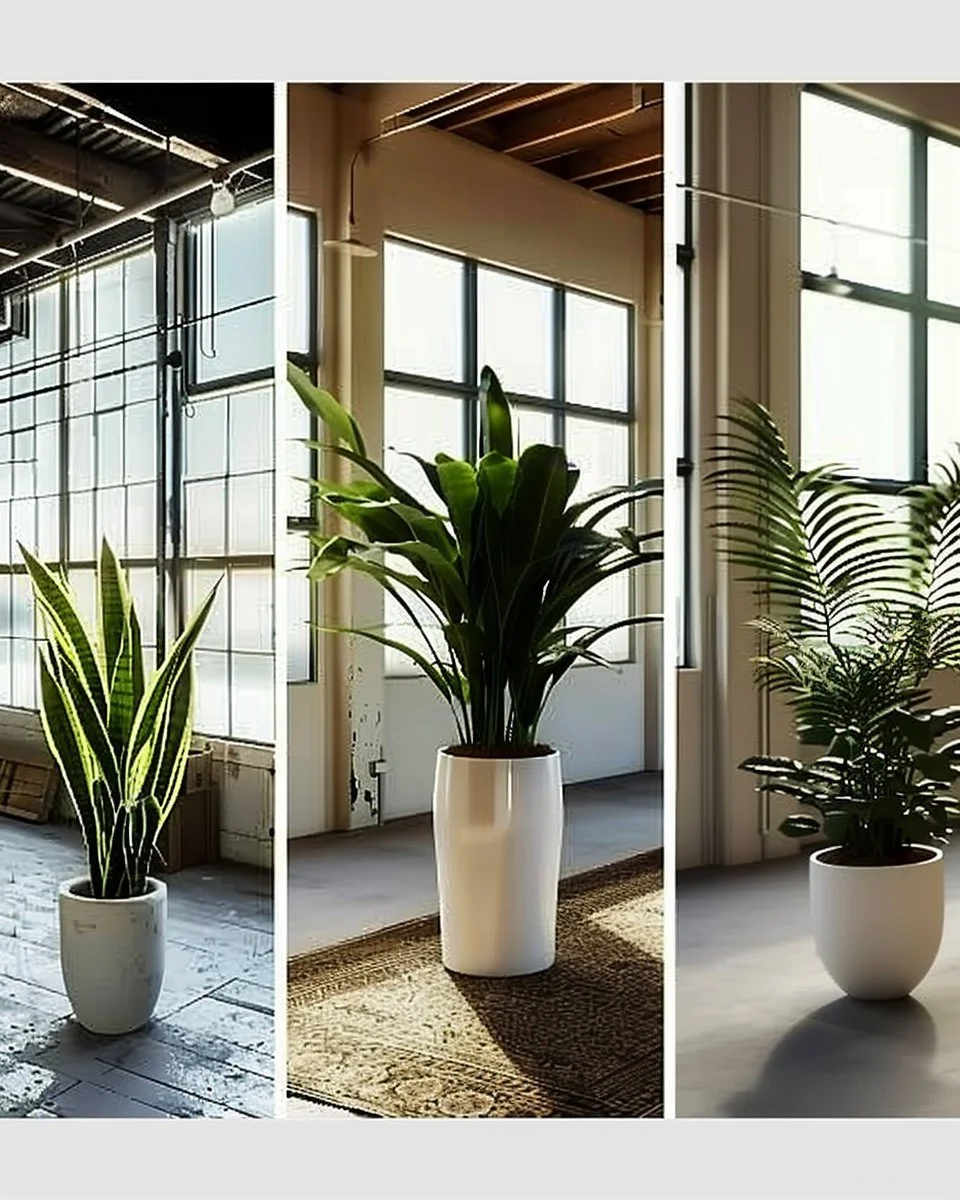
Also known as “mother-in-law’s tongue,” the snake plant is almost indestructible. It thrives in various light conditions and can survive prolonged periods without water. It’s lauded for its air-purifying properties.
Bamboo Palm
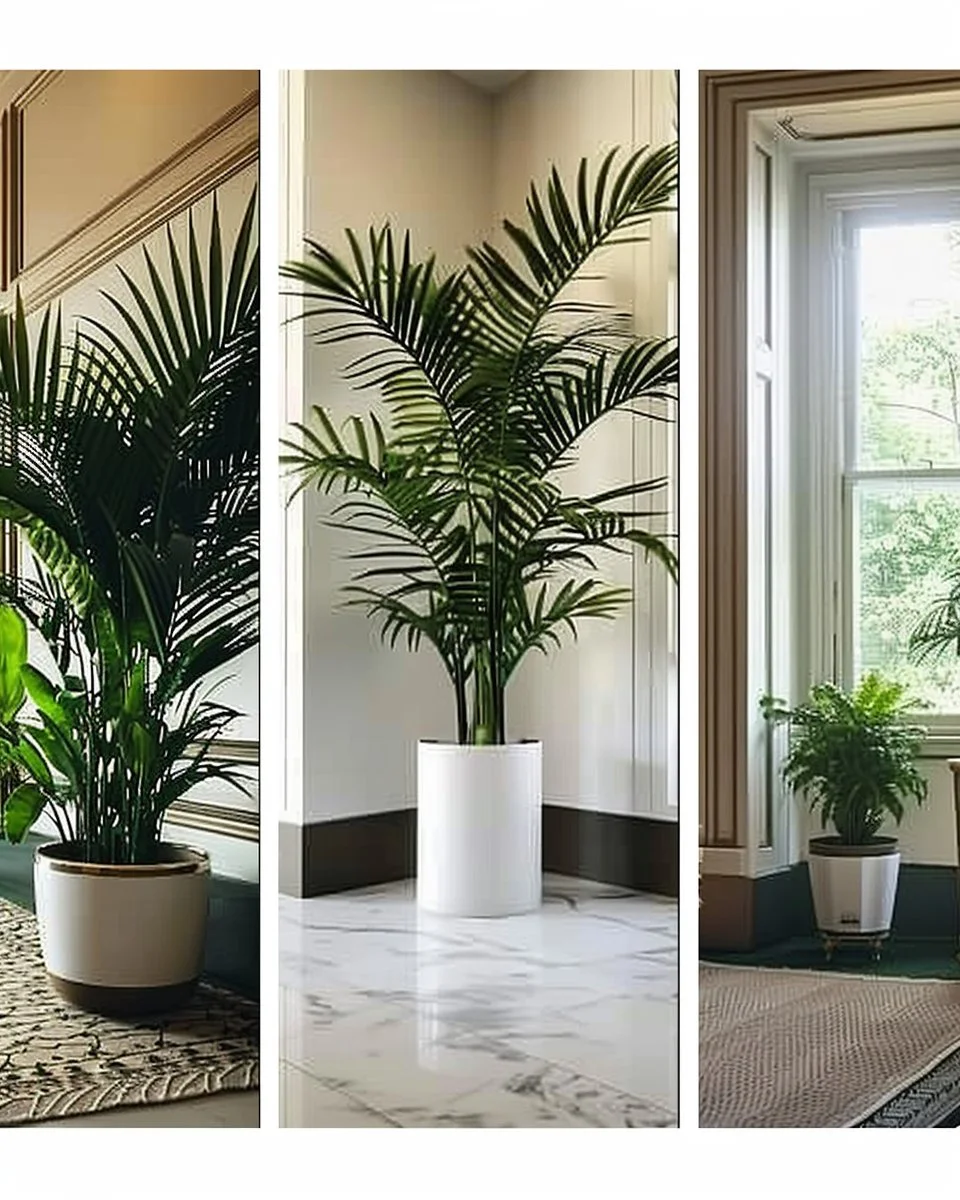
Ideal for larger spaces, the bamboo palm excels in filtering out benzene, formaldehyde, and trichloroethylene. This plant needs bright, indirect light and should be watered once the topsoil is dry.
Rubber Plant
With glossy leaves that can reach impressive heights, the rubber plant is excellent at maintaining indoor humidity levels. It prefers bright, indirect light and should be watered only when the soil feels dry.
Aloe Vera
Not only is aloe vera renowned for its healing properties, but it also helps purify the air. It thrives in bright, indirect sunlight and requires minimal watering, making it an ideal plant for beginners.
Caring for Your Indoor Plants
Optimal Light Conditions
Each plant has its own light preferences. While some thrive in bright light, others flourish under low-light conditions. Assess your space and position your plants accordingly for optimal growth.
Watering Tips
Overwatering is a common mistake in houseplant care. A good rule of thumb is to check the top inch of the soil—if it feels dry, it’s time to water. Always ensure excess water can drain freely from the pot.
Dealing with Pests
Even the hardiest plants can attract pests like spider mites or aphids. Regularly inspecting your plants and using natural pest deterrents can keep them healthy and thriving.
Creating a Mold-Free Environment
Regular Cleaning Practices
Keep your space clean! Regularly dusting and vacuuming, especially in areas where moisture may collect, can prevent mold growth. Don’t forget about frequently used items like carpets and upholstery.
Improving Home Ventilation
Proper ventilation is crucial in maintaining low humidity levels. Consider using dehumidifiers in damp areas, opening windows when the weather allows, and ensuring your bathroom fans are operational.
Conclusion
Incorporating the 8 Effective Indoor Plants for Mold-Free Homes into your living space can significantly enhance not only your home’s air quality but also your well-being. By choosing the right plants and caring for them properly, you can create a thriving indoor environment that actively combats mold. So go ahead, bring nature inside and enjoy a fresher, healthier home!
FAQs
Can indoor plants really reduce mold?
Absolutely! Many indoor plants absorb excess moisture in the air, which can help reduce mold growth.
What’s the best way to care for indoor plants?
Each plant has specific needs, but a general rule is to ensure they receive appropriate light and water as needed.
How often should I water my plants?
It varies by species. A good guideline is to check if the top inch of soil is dry before watering.
Do I need to fertilize my indoor plants?
Yes, regular fertilization can help promote healthy growth. Always follow guidelines for each specific plant.
What are the signs my plant is unhealthy?
Look for yellowing leaves, excess droopiness, or signs of pest infestations, all of which can signal a need for attention.