
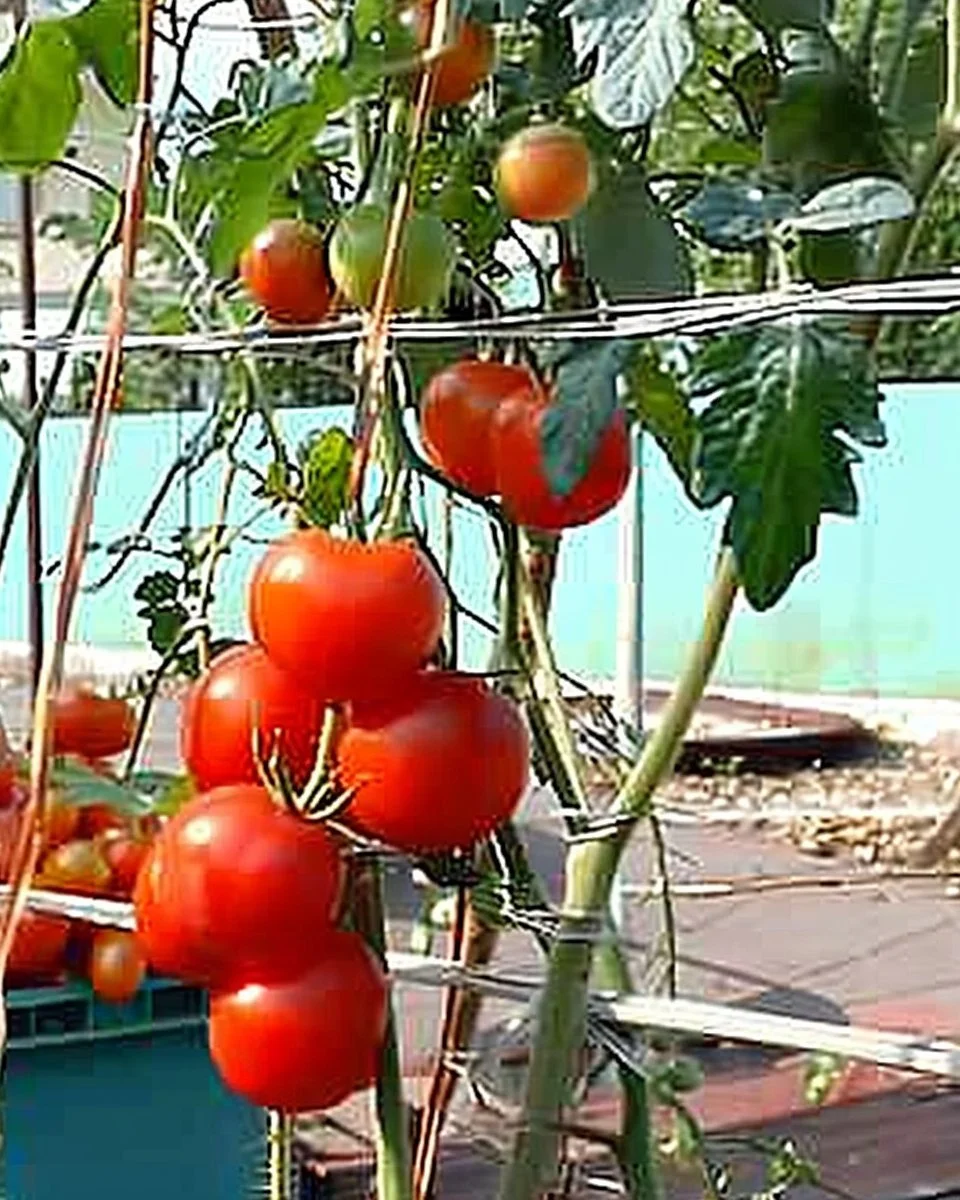
Introduction
If you’ve ever bitten into a freshly picked tomato and savored its juicy goodness, you know just how satisfying it can be. There’s something undeniably special about growing your own produce, and tomatoes are often the star of many home gardens. With a little effort and knowledge, you can transform your modest garden patch into a tomato haven. In this guide, you’ll discover 7 Tips and Hacks to Grow Huge, Juicy Tomatoes. From selecting the right variety to mastering the art of watering and fertilization, we will cover everything you need to become a tomato-growing pro.
Table of Contents
Understanding Tomato Varieties
Tomatoes come in a rainbow of colors, shapes, and sizes, making them one of the most versatile vegetables to grow. Understanding the different varieties is crucial to choose what will thrive in your garden.
Popular Tomato Varieties
Some beloved varieties include beefsteak, cherry, and Roma tomatoes. Beefsteak tomatoes are perfect for slicing, while cherry tomatoes are great for snacking. Roma tomatoes are excellent for sauces due to their thick flesh. Each variety has its unique flavor, texture, and use, so consider what you enjoy most when choosing.
Choosing the Right Variety for Your Climate
Not all tomatoes grow well in every climate. If you live in a cooler area, opt for determinate varieties that mature faster. Conversely, indeterminate varieties thrive longer in warmer climates. Understanding your local growing season is essential in making this choice.
Soil Preparation for Tomato Plants
Starting with high-quality soil makes a world of difference in your gardening success.
Importance of Good Soil
Tomatoes prefer well-draining soil rich in organic matter. Good soil provides essential nutrients, retains moisture, and promotes aeration, all critical for growing large, juicy tomatoes.
Testing Your Soil
Consider testing your soil to ensure it has the right pH and nutrient levels. Many garden centers offer soil test kits, or you can send a sample to your local cooperative extension for analysis.
The Right Planting Techniques
How you plant your tomatoes affects their growth from the get-go.
Proper Spacing
Give your tomato plants enough room to grow. They typically need 18-24 inches of space apart. Crowded plants can lead to fungal diseases and smaller tomatoes.
Planting Depth and Angle
Planting your tomatoes deeper encourages root growth. When you transplant, bury two-thirds of the plant’s stem in the soil. This encourages the plant to develop a robust root system.
Watering Techniques for Juicier Tomatoes
Proper watering is one of the most critical factors in producing juicy tomatoes.
Importance of Consistent Watering
Tomatoes require consistent watering—around 1-2 inches per week—especially during fruit development. Drip irrigation is ideal because it delivers water directly to the roots without wetting the foliage, reducing the risk of diseases.
Signs of Overwatering and Underwatering
Have you ever wondered why your tomato leaves are curling? That could be a sign of overwatering. Underwatered tomatoes may have wilting leaves. If you’re unsure, stick your finger in the soil—if it feels dry 1-2 inches down, it’s time to water!
Fertilization Strategies
Feeding your plants correctly is crucial to their success.
Best Fertilizers for Tomatoes
Choose a fertilizer high in phosphorus and potassium but lower in nitrogen to encourage flower and fruit development. Look for a balanced formula, like a 5-10-10 blend. Organic options like fish emulsion and compost tea work wonders too.
When and How to Fertilize
Apply fertilizer every 4-6 weeks during the growing season. Don’t over-fertilize, as it could lead to lush foliage with poor fruit production. Always follow package instructions for the best results.
Pest and Disease Management
Preventing pests and diseases is crucial for a bountiful harvest.
Common Tomato Pests
Watch out for aphids, whiteflies, and hornworms. You might find aphids on the undersides of leaves, and hornworms are often sneaky, blending in with the foliage.
Effective Prevention and Treatment
Regularly inspect your plants and consider companion planting to deter pests. If you encounter a problem, insecticidal soap or neem oil can be effective organic solutions.
Harvesting for Maximum Flavor
Once you’ve nurtured your plants, it’s time for the best part—harvesting!
When to Harvest Your Tomatoes
The key to harvesting tomatoes is to wait until they are fully ripe. Look for vibrant color and slight softness when gently squeezed. If you pick them too early, they won’t have that delightful juicy flavor.
Best Practices for Harvesting
Use clean scissors or pruning shears to cut the tomato stem, avoiding damage to the plant. It’s a wonderful feeling to collect your homegrown tomatoes and enjoy them fresh in salads or sauces!
Conclusion
There you have it! With these 7 Tips and Hacks to Grow Huge, Juicy Tomatoes, you’re well on your way to creating a thriving tomato garden. Remember that gardening is a journey. Pay attention to your plants, adapt your techniques as needed, and enjoy the process. Your fruits (literally!) will be the delicious payoff for your hard work.
FAQs
Q: How long does it take for tomatoes to grow?
A: Tomatoes typically take 60 to 85 days to mature, depending on the variety.
Q: Can I grow tomatoes in containers?
A: Absolutely! Just ensure your container is at least 5 gallons and has proper drainage.
Q: Should I prune my tomato plants?
A: Yes, pruning suckers, or the small shoots that grow between the stem and branches, can help improve air circulation and fruit production.
Q: What’s the best way to store ripe tomatoes?
A: Store ripe tomatoes at room temperature away from direct sunlight for the best flavor. Avoid refrigeration, which can alter their taste and texture.
Q: How can I tell if my tomatoes are organically grown?
A: Look for USDA Organic certification labels or preferably buy from local farmers’ markets where organic practices are common.