
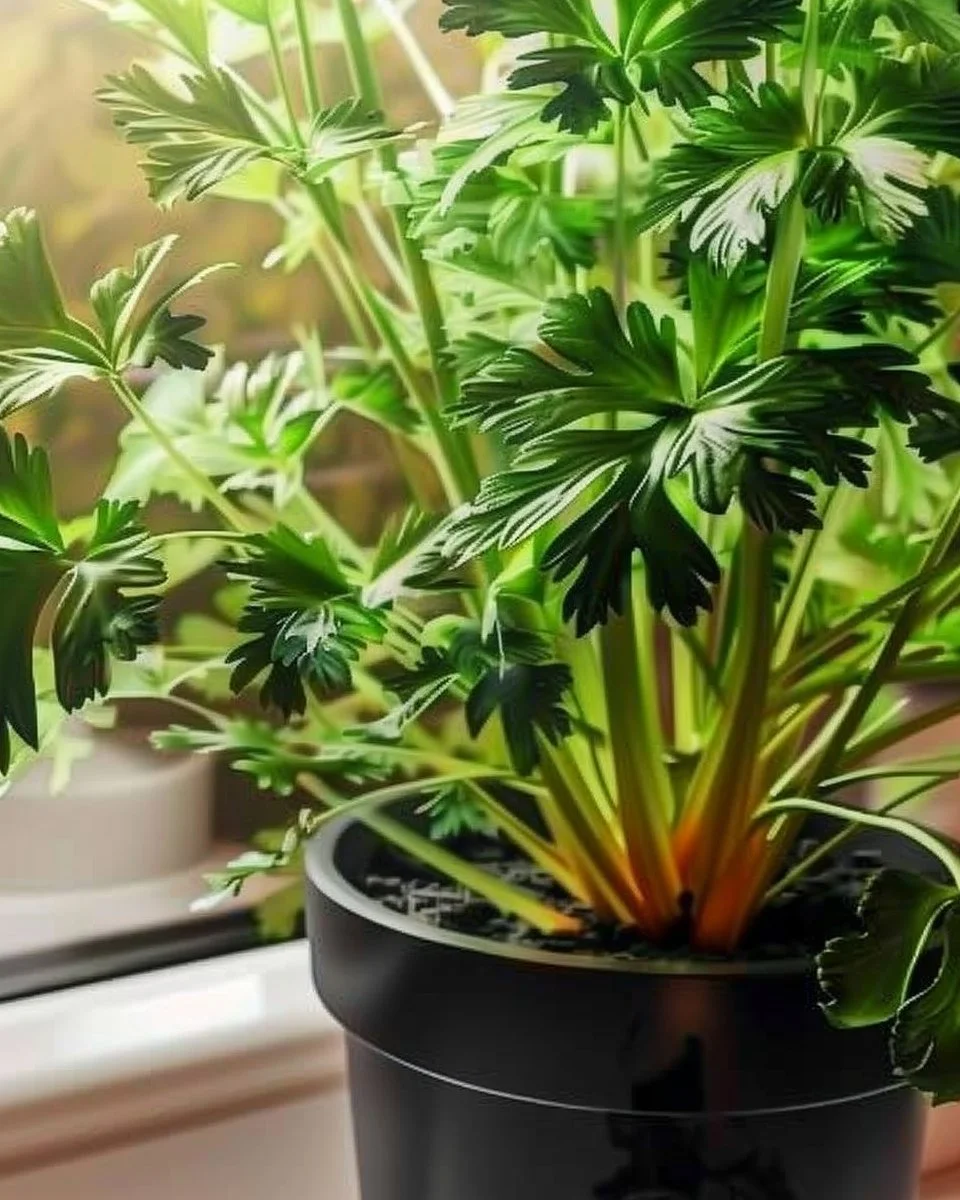
Introduction
Have you ever daunted by the idea of growing your own herbs at home? You’re not alone! Many beginners think that indoor gardening is complex and requires a green thumb. However, cultivating your own parsley indoors can be both easy and rewarding. Whether you want to elevate your culinary skills or simply love the aroma of fresh herbs, knowing the essentials of growing parsley indoors can enhance your cooking game. Today, we’ll explore 7 Proven Tips to Grow Parsley Indoors Fast, ensuring you have everything you need to nurture this delicious herb right in your kitchen or dining room. Let’s dig in!
Table of Contents
Choosing the Right Variety of Parsley
When you’re considering growing parsley indoors, the first step is picking the right variety. There are two main types: Curly Parsley and Flat-Leaf (or Italian) Parsley. Curly parsley is often used as a garnish due to its decorative leaves, while flat-leaf parsley possesses a more robust flavor favored by many chefs for cooking.
For indoor gardening, flat-leaf parsley is generally recommended. It’s a versatile and hardy variety that thrives in pots, making it perfect for limited spaces. Have you ever thought about why certain herbs are favored over others? Varietal choice can significantly affect your indoor gardening experience. If you’re a beginner, opting for flat-leaf parsley can mean enjoying a more convenient herb-growing journey.
Optimal Growing Conditions for Indoor Parsley
Light Requirements
Parsley loves light, requiring around 12-14 hours of sunlight per day for optimal growth. A south or west-facing window is an ideal spot; however, if natural light is insufficient, using grow lights can be a fantastic alternative. Place your lights about 6-12 inches above the parsley and keep them on for about 12-14 hours to mimic natural sunlight.
Temperature and Humidity Levels
Maintaining the right temperature and humidity is crucial for the health of your parsley. Ideally, parsley thrives at temperatures between 65°F to 75°F (18°C to 24°C). Counterintuitively, cooler temperatures can enhance the flavor of parsley, especially overnight. If you’re growing in a more humid environment, like a bathroom, ensure proper ventilation to avoid mold growth, which can be detrimental to your plants.
Soil and Container Selection
Choosing the right soil is vital for nurturing your parsley seedlings. A well-draining potting mix with a pH of around 6.0 to 7.0 is optimal. Parsley prefers slightly acidic to neutral soil, so you might want to consider adding organic compost or peat moss to enhance its nutrient content.
When it comes to containers, opt for pots that are at least 6 inches deep with drainage holes. This will prevent waterlogging, which can lead to root rot. Ceramic or terracotta pots are excellent choices due to their breathability and temperature regulation.
Watering Techniques for Healthy Parsley
Watering can be a tricky balancing act; too little moisture will dry out your parsley, and too much can lead to decay. The key is to keep the soil evenly moist but never soggy. To achieve this, stick your finger into the soil about an inch deep. If it feels dry, it’s time to water. On average, watering once a week should suffice but adjust based on your climate and indoor conditions.
As your parsley grows, keep an eye out for their leaves. If they start to wilt, it’s a sure sign they need more water. Conversely, yellowing leaves often indicate overwatering, so always be mindful of the moisture levels.
Fertilizing to Boost Growth
Even though parsley can thrive in nutrient-rich soil, periodic fertilization is essential to support continuous growth. Use a balanced, water-soluble fertilizer every four to six weeks. A fertilizer with an NPK ratio of 10-10-10 is a good standard to start with. Always dilute the fertilizer as per the manufacturer’s instructions to avoid overwhelming your parsley plants.
Apart from chemical fertilizers, consider supplementing with organic options like compost or worm castings. These not only provide essential nutrients but also improve soil structure, enhancing aeration and water retention for your parsley.
Common Pests and Diseases to Watch For
Just like any plant, parsley is susceptible to pests and diseases. Aphids, whiteflies, and spider mites are common culprits when it comes to indoor gardens. Regularly inspecting your parsley can help catch infestations early. If you notice any pests, you can gently wash them off with water or use insecticidal soap for treatment.
Fungal diseases are another concern, often exacerbated by high humidity. Always ensure proper air circulation around your plants. If you notice any signs of disease, such as yellowing or wilting leaves, remove the affected parts immediately to prevent further spread.
Harvesting and Using Your Parsley
One of the most rewarding moments of growing your parsley indoors is the harvest. You can start harvesting as soon as your parsley plants have reached around 6 inches in height. Always use clean shears to snip off the outer leaves, allowing the inner leaves to continue thriving. This method encourages bushier growth, providing you with a continual supply of fresh parsley for your kitchen.
As for using your parsley, the possibilities are endless! From brightening a salad to flavoring soups and sauces, this herb adds freshness to a multitude of dishes. Have you ever tried sprinkling fresh parsley over a pasta dish? It can turn a simple meal into something exceptional.
Conclusion
Growing parsley indoors can be an incredibly rewarding experience. From selecting the right variety to harvesting your own home-grown herbs, following these 7 Proven Tips to Grow Parsley Indoors Fast will allow you to cultivate thriving parsley in your own space. Remember always to keep an eye on the light, temperature, and water levels, and you’ll soon enjoy the benefits of your labor. Happy gardening!
FAQs
Q: How long does it take for parsley to grow?
A: Parsley typically takes about 70-90 days to reach maturity, but you can start harvesting leaves as soon as your plants are around 6 inches tall.
Q: Can I freeze parsley for later use?
A: Yes! You can chop fresh parsley and store it in ice cube trays filled with water or oil, making it easy to add to dishes later on.
Q: Is parsley an annual or perennial plant?
A: Parsley is considered a biannual plant, meaning it completes its life cycle in two years. However, it’s typically grown as an annual in most climates.
Q: How often should I fertilize parsley indoors?
A: Fertilizing every four to six weeks with a balanced fertilizer should suffice to keep your parsley healthy and productive.
Q: Why are my parsley leaves turning yellow?
A: Yellowing leaves may indicate overwatering, poor drainage, or nutrient deficiency. Examine your watering schedule and soil conditions to troubleshoot the issue.