
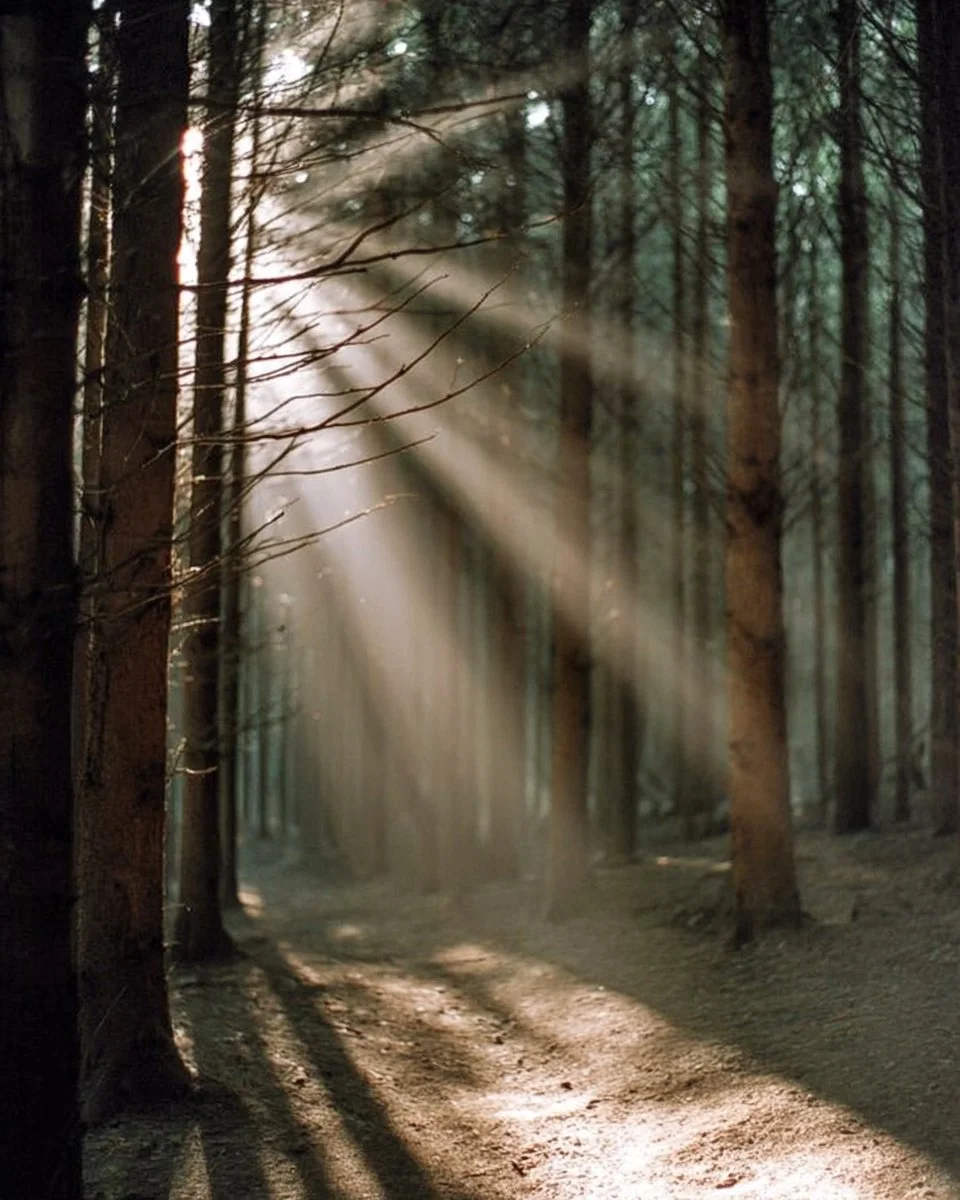
Nature has a way of leaving us speechless, doesn’t it? Whether it’s the golden hues of a sunset or the intricate details of a dew-kissed flower, every detail holds its own magic. As a nature photography enthusiast, I’ve often found myself lost in these moments, eager to capture the beauty surrounding me. If you can relate, you’re in for a treat! In this article, we’ll explore 50 unforgettable nature photography shots that capture pure beauty. From lush forests to serene oceans, you’ll discover tips on how to achieve stunning photographs that resonate with viewers.
Not only will you enhance your photography skills, but you’ll also learn to appreciate the world in a whole new way. Let’s dive into the amazing art of capturing nature’s beauty!
Table of Contents
Understanding Nature Photography
Nature photography is more than just a hobby; it’s an opportunity to express your perspective and showcase the world’s beauty. One key element to remember is the emotional connection that nature evokes. As a photographer, capturing that essence can make your shots truly unforgettable.
Key Elements of Effective Nature Photography
When aiming for beautiful shots, consider composition as a fundamental aspect. The “rule of thirds” is a classic guideline, suggesting that you divide your frame into a 3×3 grid and place your subjects along these lines or their intersections. This technique helps create a balanced and engaging photograph.
Understanding Composition
Beyond the rule of thirds, be mindful of leading lines, patterns, and symmetry in nature. For instance, a winding path or a flowing river can guide the viewer’s eye through the image, creating a sense of depth. These elements are vital when working on shots from your collection of 50 unforgettable nature photography shots that capture pure beauty.
Preparing for Your Photography Adventure
Before heading out with your camera, preparation is key. A successful nature photography experience ensures that you have everything you need to capture those perfect moments.
The Best Gear for Nature Photography
Investing in quality gear can make a huge difference. A DSLR or mirrorless camera with a versatile lens is usually a great start. Don’t forget about a sturdy tripod, which stabilizes your shots and is particularly helpful during long exposures or in low-light situations.
Choosing the Ideal Location
Research local parks, nature reserves, or even urban gardens you haven’t explored yet. Sometimes the most breathtaking shots come from places you least expect. If you’re unsure where to go, photo-sharing websites like Instagram often have tags that can direct you toward popular photography hotspots.
Best Times for Nature Photography
Timing is critical! Early mornings and late afternoons provide soft, golden light, ideal for capturing nature’s beauty. This “golden hour” enhances colors and creates a magical atmosphere, making your photographs vibrant and warm.
Techniques for Capturing Stunning Shots
Once you’re ready to shoot, there are several techniques to keep in mind that will elevate your nature photography game.
Mastering Light and Shadow
Light and shadow can completely transform an image. Pay attention to how light filters through trees, creating interesting patterns and textures. Sometimes, waiting for the perfect moment when light changes can lead to spectacular results.
Using Natural Elements
Incorporating natural elements like water, rocks, or flora can enrich your photographs. A simple flower against a stunning backdrop can tell a story all on its own. Make sure to capture those elements thoughtfully to create depth and interest.
Experimenting with Perspectives
Don’t hesitate to change your perspective. A shot taken from below looking up or from a distance can give a completely new interpretation of a scene. Have you ever wondered how different angles can shift the entire mood of a photo? Trust me; it’s worth the exploration!
Editing Your Nature Shots
Once you’ve captured your stunning shots, editing can enhance the final look and feel of your photography.
Essential Editing Tools
Consider using software like Adobe Lightroom or Photoshop for editing. These platforms allow for color adjustments, cropping, and fine-tuning details to bring out the best in your photos.
Tips for Post-Processing
Keep it natural! The most captivating edits often enhance the photo without making it look overly processed. Adjust contrast, brightness, and saturation carefully to maintain the essence of the original shot, especially when showcasing your collection of 50 unforgettable nature photography shots that capture pure beauty.
Inspiring Examples of Nature Photography
To spark your creativity, let’s explore some inspiring examples that highlight different styles and perspectives.
Landscapes That Take Your Breath Away
Stunning landscapes can evoke emotions like no other. Through wide-angle shots of mountains, valleys, or oceans, photographers can capture the majesty of nature. For instance, a panoramic sunrise over a misty valley can be both serene and awe-inspiring.
Wildlife Photography That Tells a Story
Capturing wildlife in its natural habitat offers a unique glimpse into the animal kingdom. Experimenting with longer lenses can help you get up close without disturbing the subject. Each shot can reveal fascinating stories, whether it’s a bird in mid-flight or a grazing deer.
Close-Up Shots of Nature’s Wonders
Sometimes, the small wonders of nature are the most beautiful. Macro photography allows for incredible detail, showcasing the intricate structures of petals, insects, or droplets of water. These close-up shots add a different layer to your collection of 50 unforgettable nature photography shots that capture pure beauty.
Conclusion
Capturing the beauty of nature is an enriching experience that allows us to express ourselves while also appreciating the world around us. By being mindful of composition, understanding light, and practicing creative techniques, you can create breathtaking photographs that resonate with others. So grab your camera, head out, and start capturing your own collection of unforgettable nature photography shots that capture pure beauty!
FAQs
What camera is best for nature photography?
While several cameras can work well, a DSLR or mirrorless camera is often preferable due to its versatility and quality.
How important is lighting in nature photography?
Lighting is crucial! It can dramatically change the look and feel of your images, so consider shooting during golden hours.
Can I use my smartphone for nature photography?
Absolutely! Many smartphones have excellent camera capabilities. Just remember to make the most of their features.
What should I focus on when photographing wildlife?
Patience and distance are key. Use a zoom lens to avoid disturbing animals while capturing candid moments.
How can I find unique locations for nature photography?
Exploring less-known parks, local nature trails, or even scouting on social media platforms can lead to hidden gems!