
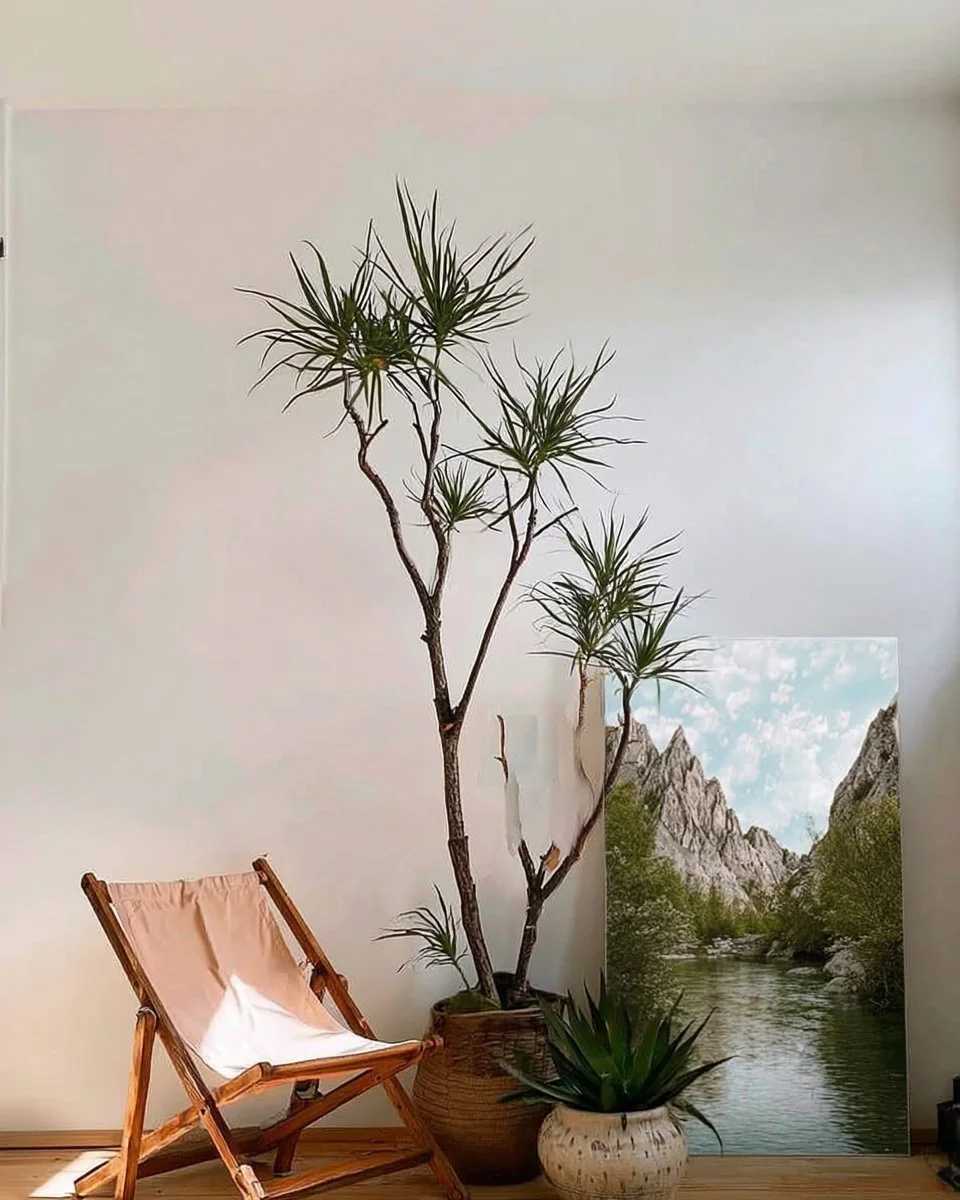
If you’re anything like me, you probably feel a twinge of guilt every time a houseplant doesn’t thrive. We’ve all been there: purchasing that vibrant green beauty, only to have it droop and wither away after a few weeks of tender care. The good news is that not all plants require constant attention and care. In fact, there are a few gems out there that thrive on minimal intervention. These 3 New It Plants Are Surprisingly Low-Maintenance, and they may just be the answer to your plant-parenting woes. In this article, we’ll dive into what makes these plants so forgiving, how to care for them effortlessly, and why they deserve a spot in your home or garden.
Table of Contents
Low-Maintenance Plants: The Appeal
Have you ever wondered why some people thrive in their plant care while others struggle? The secret often lies in choosing the right plants. Low-maintenance plants can set you up for success, allowing you to enjoy greenery without the stress of constant upkeep. They adapt well to various environments, require minimal watering, and often come with built-in pest resistance. For busy individuals or those new to the world of indoor gardening, these types of plants are a blessing.
In this increasingly fast-paced world, finding time for self-care is vital, and nurturing plants should be a joyful experience—not a chore. With these three new entrants into the plant scene, you can bring life into your home, revitalizing your space with beauty and freshness.
Plant One: The Snake Plant
Characteristics and Care
Let’s kick things off with the Snake Plant, also known as Sansevieria or mother-in-law’s tongue. This stunning plant features tall, rigid leaves that come in various colors—from a deep green to variegated hues. The Snake Plant is resilient and can grow in almost any light condition, making it a fantastic choice for beginners.
Caring for a Snake Plant is easy; it thrives on neglect. Water it only when the soil is completely dry, and don’t worry about temperature extremes. An occasional wipe of the leaves will keep dust from settling and let it shine in all its glory.
Benefits Beyond Looks
Not only is the Snake Plant visually striking, but it also provides air purification. NASA identified it as one of the best plants for improving indoor air quality by filtering toxins from the air. Plus, it’s a slow grower, meaning you won’t be dealing with constant repottings or maintenance.
Perfect Placement Tips
Consider placing your Snake Plant in a bedroom or living room corner where it can soak up indirect sunlight. It’s low enough to sit comfortably on a stand or table, making it a versatile décor piece.
Plant Two: The ZZ Plant
Characteristics and Care
Next up is the ZZ Plant, or Zamioculcas zamiifolia. This dark green beauty has a glossy finish that gives it a polished look. It can survive in low light and tolerates drought, so it’s perfect for those of us who might forget to water regularly. Simply water it every couple of weeks, and you’re good to go!
Benefits Beyond Looks
The ZZ Plant is incredibly forgiving. It can thrive in less-than-ideal conditions, such as low light and neglect, while providing a stylish touch to your home. Plus, like the Snake Plant, it aids in purifying indoor air—making it both decorative and functional!
Perfect Placement Tips
Place your ZZ Plant in a low-light corner or an office space that doesn’t receive much direct sun. Just ensure it has enough space to grow tall and elegant with its glossy foliage—a true conversation starter!
Plant Three: Pothos
Characteristics and Care
Last, but certainly not least, is the Pothos, or Epipremnum aureum. This popular vine features heart-shaped leaves that can come in green, golden, or variegated patterns. It’s incredibly adaptable, thriving in various lighting conditions, making it a favorite for many plant enthusiasts.
Pothos is a trailblazer in the low-maintenance category. It’s forgiving of missed watering and can even tolerate dry soil for quite some time. Just water it when the top inch of the soil feels dry, and watch it flourish!
Benefits Beyond Looks
One remarkable feature of Pothos is its ability to grow long vines, perfect for draping down shelves or climbing a trellis. Moreover, this plant is known for its air-purifying qualities, helping to remove indoor pollutants.
Perfect Placement Tips
Hanging your Pothos in a bright room allows its vines to cascade beautifully. You can also place it on a high shelf to allow those vibrant tendrils to dangle down—a stunning natural decoration!
Decorative Ideas for These Plants
Incorporating these low-maintenance plants into your home isn’t just about being a responsible plant parent; it’s also a chance to enhance your living space. Use stylish pots that complement your home décor—think terracotta, ceramic, or even metallic finishes.
Try creating a green corner filled with all three plants for a lush, vibrant display. You can also use plant stands or wall shelves to mix levels and textures, which adds visual interest. If you’re feeling crafty, consider making a macramé hanger for your Pothos—it’s a fun weekend project that ups your décor game significantly.
Conclusion
Bringing greenery into your home doesn’t have to be labor-intensive. With these 3 New It Plants Are Surprisingly Low-Maintenance, you can elevate your space with minimal effort. Their adaptability, air-purifying qualities, and low water requirements make them perfect companions for any lifestyle. Transitioning to a greener home is about making choices that suit your rhythm, and these plants offer just that.
So, why not take the plunge? Add one or all three of these easy-care plants to your collection today and enjoy the beauty and health benefits they bring. Your home (and your busy schedule) will thank you!
FAQs
Q: Can these plants tolerate low light?
A: Yes! Both the Snake Plant and ZZ Plant thrive in low light, while Pothos can also adapt to less than ideal lighting conditions.
Q: How often should I water these plants?
A: Water the Snake Plant and ZZ Plant every two to three weeks, allowing the soil to dry out completely between watering. Pothos can be watered when the top inch of soil feels dry.
Q: Are these plants toxic to pets?
A: Yes, the Snake Plant and Pothos are toxic to pets if ingested. The ZZ Plant is considered non-toxic to pets, but it’s always best to keep any plant out of reach of curious animals.
Q: Can I propagate these plants?
A: Absolutely! You can easily propagate Pothos through cuttings. The Snake Plant can also be divided or leaf-cut, while the ZZ Plant can be propagated from cuttings as well.
Q: What type of soil is best for these plants?
A: A well-draining potting mix works best for all three plants. Make sure the pots have drainage holes to prevent any root rot.