
Introduction
Have you ever noticed how a room filled with plants just feels fresher and more vibrant? It’s not just your imagination; plants can significantly enhance indoor air quality. With the right selection of greenery, you can eliminate toxins, enhance humidity, and create a soothing environment that promotes wellbeing. In this article, we’ll explore 29 indoor gardening ideas to improve air quality, allowing you to create a lush oasis right inside your home. Whether you’re an experienced green thumb or just starting out, you’ll find practical tips and inspiration to make your indoor space healthier and more inviting.
Table of Contents
Understanding Air Quality and Plants
The Benefits of Indoor Plants
Growing indoor plants is not just a aesthetic choice; it’s also an investment in your health. Studies show that certain plants can absorb harmful pollutants such as formaldehyde, benzene, and carbon monoxide. These toxins often linger in indoor air, impacting our health and productivity. Including plants in your living spaces can lead to cleaner air and a more vibrant atmosphere.
Factors That Affect Air Quality
Understanding air quality involves knowing what impacts it. Factors like humidity, ventilation, and the presence of chemicals in household products can all play a significant role. Additionally, the types of plants you choose will also determine how effectively they can purify the air. Incorporating specific plants can help create a balanced, healthy environment.
Best Plants for Improving Air Quality
Snake Plant
The snake plant, also known as mother-in-law’s tongue, is one of the easiest plants to care for. It’s a robust plant that can tolerate low light and infrequent watering, making it perfect for beginners. Not only is it visually stunning, but it also converts CO2 into oxygen at night, enhancing air quality while you sleep.
Spider Plant
The spider plant is another excellent choice; it’s adaptable and thrives in various conditions. This lovely green plant is known for its ability to remove toxins like formaldehyde and xylene. Plus, its charming baby plants (or “spiders”) create a visually appealing display, brightening up any corner of your home.
Peace Lily
Known for its beautiful white blooms, the peace lily is a popular choice for indoor spaces. It doesn’t require bright light and can thrive in shadier areas. In addition to being beautiful, the peace lily is efficient at removing harmful toxins and releasing oxygen, making your living space more enjoyable.
Bamboo Palm
The bamboo palm is a fantastic plant if you’re looking to enhance humidity levels in your home. It thrives in partial shade and helps filter out benzene and formaldehyde—common culprits in indoor air pollution. With its lush, tropical appearance, it can also serve as a stunning decorative piece.
Pothos
Pothos is one of the easiest plants to grow, with cascading vines that create a lovely, lush look. This hardy plant requires minimal care and is excellent at purifying the air by removing pollutants. With its resilience and ability to thrive in low light, it’s perfect for any indoor space.
Creative Indoor Gardening Ideas
Vertical Gardens
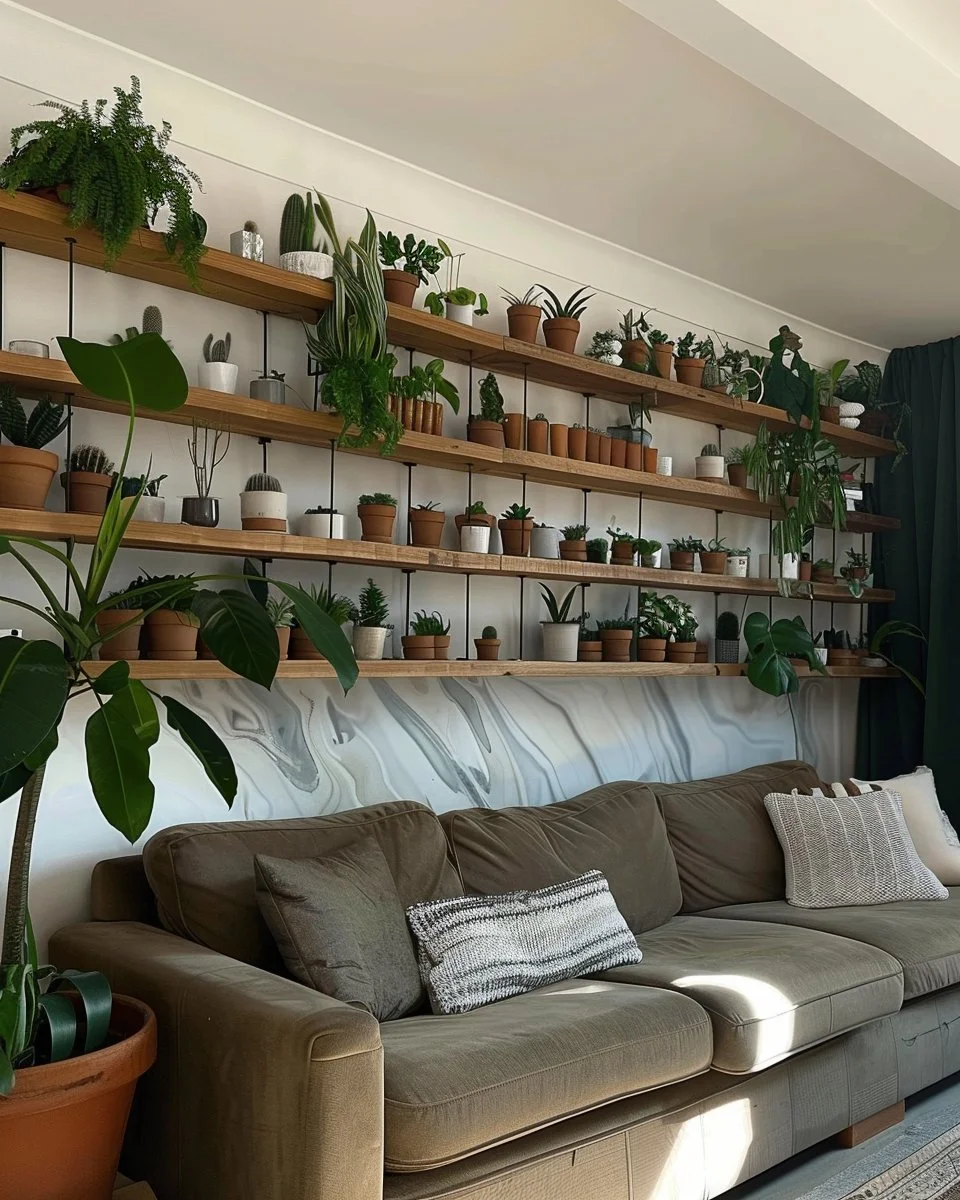
Why limit your gardening to flat surfaces? Vertical gardens are a creative way to utilize wall space, especially in small areas. You can choose from various plants that improve air quality and create a stunning green backdrop in your home. A vertical garden can also serve as a decorative element while enhancing indoor air.
Terrariums
Terrariums provide a unique opportunity to create miniature ecosystems. They can be customized to fit your style and are perfect for small spaces. Choose appropriate plants such as ferns or moss that thrive in humid environments, and enjoy a little green paradise in glass.
Windowsill Gardens
If you have sunny windows, consider planting herbs or smaller air-purifying plants right on your windowsill. Not only do these gardens provide fresh herbs for cooking, but they also infuse your home with natural beauty and improved air quality.
Tips for Plant Care and Maintenance
Watering Guidelines
When it comes to watering, a common rule of thumb is to allow the top inch of soil to dry out before watering again. However, each plant has its unique needs, so be sure to research the specific requirements of the plants you select. Overwatering can lead to root rot, while underwatering can hinder growth.
Light Requirements
Understanding each plant’s light needs is essential for success. Some plants thrive in bright, indirect sunlight, while others do well in low light. Make sure to place your greenery in light conditions that suit their needs to promote optimal health and growth.
Pest Management
Indoor gardens can face pest challenges, but a little prevention goes a long way. Regularly inspect your plants, clean leaves to improve photosynthesis, and consider natural pest control methods, such as neem oil or insecticidal soap, to keep your garden healthy and thriving.
Additional Benefits of Indoor Gardening
Stress Reduction
Engaging with plants and gardening can significantly reduce stress levels. The act of nurturing and caring for your plants creates a therapeutic environment, allowing you to unwind and decompress after a busy day. It can be a restorative practice, turning your home into a tranquil oasis.
Enhanced Focus
Studies have shown that having plants in your environment boosts focus and concentration. If you work from home, consider adding a few plants to your workspace. The vibrant greenery not only brightens your office but also promotes a sense of calm that helps keep distractions at bay.
Increased Productivity
Plants not only look good but also improve productivity. A green office or living space can motivate you to become more organized and efficient. By incorporating greenery into your daily life, you’ll notice a boost in your creativity as well as in your overall enthusiasm for work and personal projects.
Getting Started with Your Indoor Garden
Choosing the Right Space
Consider your indoor layout before rushing to purchase plants. Look for spaces with adequate natural light or a location that allows for easy access and care. Think about which rooms you spend the most time in and how adding plants can benefit those areas.
Gathering Supplies
Once you’ve chosen your plants, gather the necessary supplies—such as pots, soil, and gardening tools—to ensure a successful start. You can even repurpose old containers or pots for an eco-friendly approach to indoor gardening.
Planting Techniques
When planting, ensure you give enough room for roots to grow and avoid overpacking your pots. Make sure to follow the planting instructions that come with your plants, as proper setup can significantly influence their thriving and air-purifying capabilities.
Conclusion
Creating an indoor garden offers numerous benefits, from improving air quality to providing a beautiful aesthetic in your home. With 29 indoor gardening ideas to improve air quality, you can choose the plants and arrangements that suit your lifestyle. Embrace the joy of gardening and watch as your space transforms into a healthier and more inviting environment. Remember, even a small effort can yield big results for your home and wellbeing.
FAQs
What are the best indoor plants for air quality?
Some of the best indoor plants include the snake plant, spider plant, peace lily, bamboo palm, and pothos, all known for their air-purifying abilities.
How often should I water my indoor plants?
Generally, it’s best to water your plants when the top inch of soil is dry, but always check the specific needs of your plants, as some may require more frequent watering than others.
Can indoor plants help with allergies?
Yes! Some indoor plants can help filter allergens and improve air quality, potentially reducing allergy symptoms.
Do indoor plants need direct sunlight?
Not all indoor plants require direct sunlight; many thrive in indirect light or low-light conditions. Be sure to check the light requirements for each plant you choose.
How can I make my indoor plants thrive?
To ensure your indoor plants flourish, provide appropriate light, water them based on their specific needs, and give them proper ventilation. Regularly check for pests and maintain a clean environment for optimal growth.