
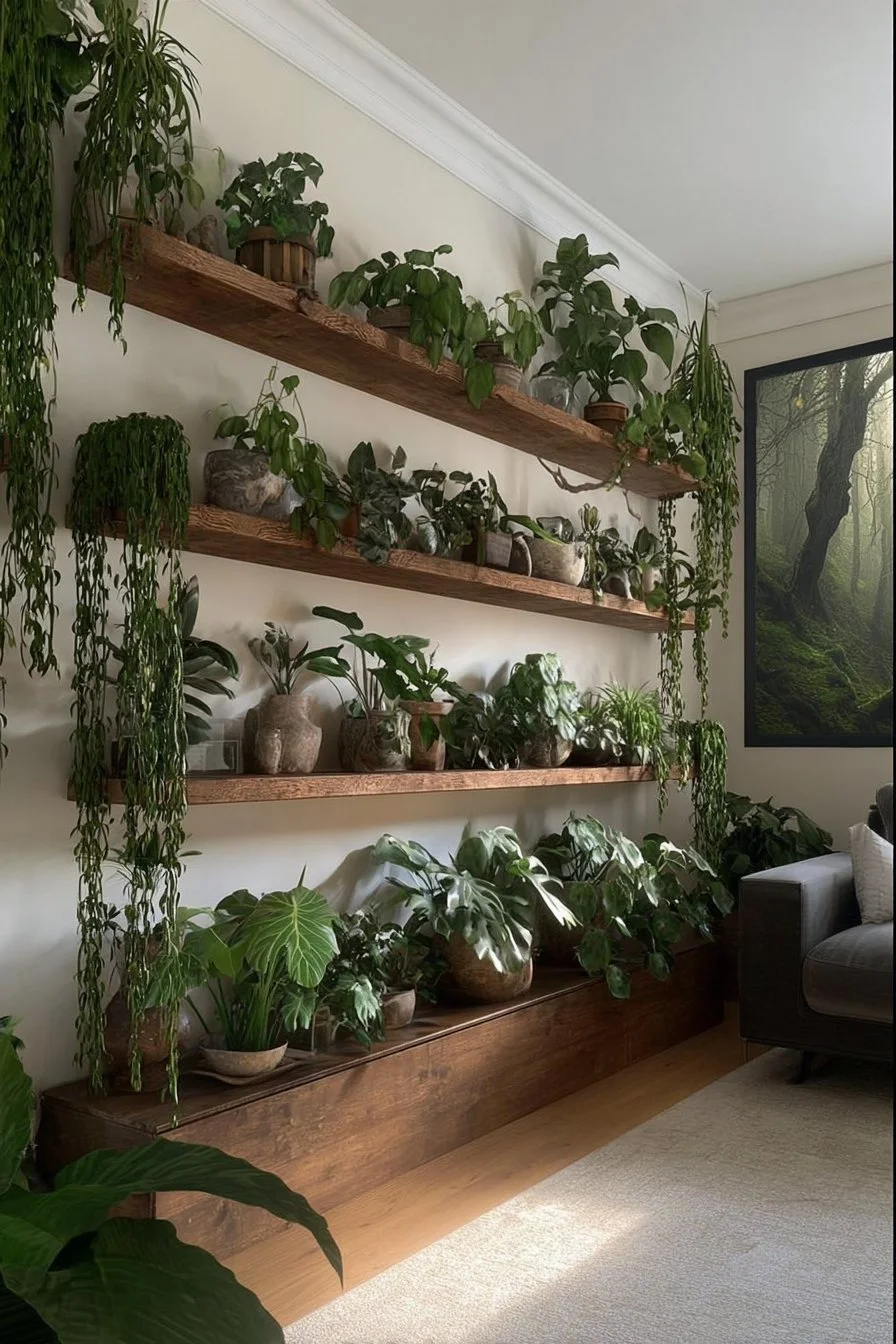
Have you ever stepped into a lush garden and felt instantly at peace? Bringing that sense of tranquility indoors can be a game changer, especially when you consider how plants can enhance your living environment. Amidst the hustle and bustle of everyday life, it can be easy to overlook the importance of air quality in our homes. That’s where indoor gardening steps in! In this guide, we’ll explore 29 indoor gardening ideas to improve air quality, transforming your home into a healthier space. By incorporating these simple yet effective gardening strategies, you’ll not only breathe cleaner air but also create a more inviting and peaceful atmosphere for you and your loved ones.
Table of Contents
The Importance of Indoor Plants for Air Quality
In our increasingly urbanized world, air quality is a significant concern. Did you know that indoor air can be up to five times more polluted than outdoor air? This can be due to various factors including dust, pet dander, and volatile organic compounds (VOCs) released from household items. Indoor plants play a crucial role in combating this issue. They absorb carbon dioxide and release oxygen, enhancing the overall air quality. Certain plants can even filter out harmful substances, making the air you breathe healthier. The inclusion of indoor gardening ideas to improve air quality can help you mitigate these health risks while adding life to your home.
Choosing the Right Plants
Selecting the right plants is an important step in any indoor gardening project. Here, we’ll cover a few categories to consider:
Low-Maintenance Options
If you’re new to gardening or lead a busy lifestyle, low-maintenance plants are your best friends. Consider snake plants and pothos. They require minimal watering and can thrive in various light conditions, making them perfect for virtually any home environment.
Air-Purifying Plants
Some plants are particularly effective at filtering out toxins. Dracaena, spider plants, and peace lilies are fantastic choices. For instance, a peace lily not only enhances your room’s aesthetics but can also remove harmful formaldehyde and ammonia from the air.
Plants for Different Light Conditions
Different rooms have different light availability. In dim areas, look for plants like the ZZ plant or cast iron plant, which can tolerate low light. In brighter spaces, you might opt for succulents or geraniums, which thrive under direct sunlight.
Creative Indoor Gardening Techniques
Indoor gardening doesn’t have to be limited to pots on a windowsill. Here are some innovative approaches:
Vertical Gardening Ideas
If space is an issue or you want to add more visual impact, consider creating a vertical garden. Use wall-mounted planters or hanging baskets to create a stunning green wall in your living room or kitchen.
Container Gardening Tips
Container gardening allows you to experiment with various designs and plant combinations. Consider unique and stylish containers that match your home décor. Plus, using self-watering containers can ease the stress of maintaining your plants, ensuring they always have enough moisture.
Maintenance Tips for Indoor Plants
To keep your indoor garden thriving, regular maintenance is essential. Here are some expert tips:
Watering and Fertilizing
Understanding how much and how often to water your plants is crucial. A general rule is to water when the top inch of soil feels dry. During the growing season, use a natural fertilizer every few weeks to encourage healthy growth.
Pest Control Strategies
Unfortunately, indoor plants aren’t immune to pests. Keep a watchful eye for signs of common pests like spider mites or scale. If you notice any issues, try natural remedies first, such as neem oil, which can effectively control many pest infestations.
Making Indoor Gardening a Family Activity
Getting the family involved in indoor gardening can be a rewarding experience. Have regular “garden days” where everyone can help with planting, watering, and caring for the plants. Kids are often fascinated by how plants grow and can learn valuable lessons about responsibility and nature through this hands-on activity. Plus, it’s a fun way to spend quality time together!
Indoor Gardening for Small Spaces
You don’t need a large home to benefit from indoor gardening. Even in a small apartment, you can create a lovely green space. Use multi-functional furniture like plant stands or shelves that allow you to maximize your vertical space. Consider compact plants or mini herb gardens on your kitchen counter to ensure you’re making the most of your available room.
Conclusion
Incorporating indoor gardening into your life not only improves air quality but also promotes well-being and joy. With the 29 indoor gardening ideas to improve air quality shared in this guide, you can transform your living environment into a verdant sanctuary. By choosing the right plants, employing creative gardening techniques, and getting your family involved, you can enjoy the many benefits of a healthier indoor atmosphere. So why not begin your indoor gardening journey today? Your lungs (and your family) will thank you for it!
FAQs
Q: What are the best indoor plants for air purification?
A: Some top air-purifying plants include spider plants, snake plants, and peace lilies. These are known for their ability to filter harmful toxins from the air.
Q: How often should I water my indoor plants?
A: Generally, water your plants when the top inch of soil feels dry. The frequency can vary based on the plant type and environmental conditions.
Q: Can I grow herbs indoors for cooking?
A: Absolutely! Herbs like basil, cilantro, and mint thrive indoors and can be easily grown on your kitchen counter or window sill.
Q: What to do if my indoor plants attract pests?
A: Keep an eye out for pests and treat them promptly. Natural remedies like neem oil can help control infestations without harming the plants.
Q: How do indoor plants impact mental health?
A: Studies show that indoor plants can reduce stress, increase feelings of tranquility, and improve focus, contributing positively to overall mental well-being.