
Introduction
Have you ever stepped into a friend’s backyard and marveled at their lush vegetable garden? Imagine the joy of harvesting fresh tomatoes, crunchy cucumbers, and vibrant bell peppers, all while enjoying the tranquility of your own outdoor space. Vegetable gardening not only fuels your culinary adventures but also connects you with nature. In this article, you’ll discover 25 Inspiring Vegetable Garden Design Ideas that will transform your outdoor area into a flourishing vegetable paradise. Whether you have a small balcony, a backyard, or just a few pots by the window, there’s something here for everyone. Let’s dig in and inspire your gardening journey!
Table of Contents
Creative Garden Layouts
Designing a vegetable garden should start with understanding the space you have. The layout can significantly affect both the aesthetics and functionality of your garden. Here are a few inspiring structures to consider:
Raised Bed Gardens
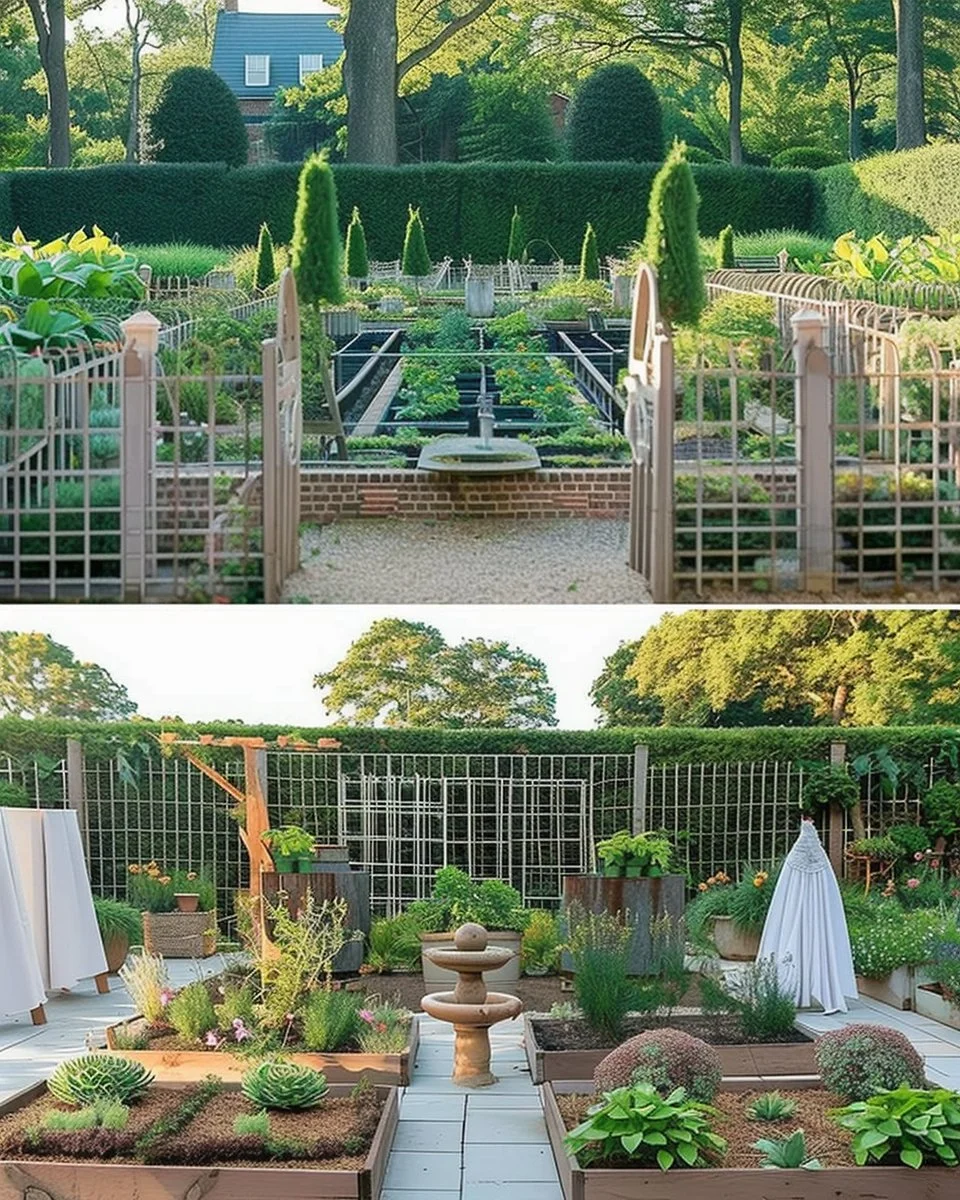
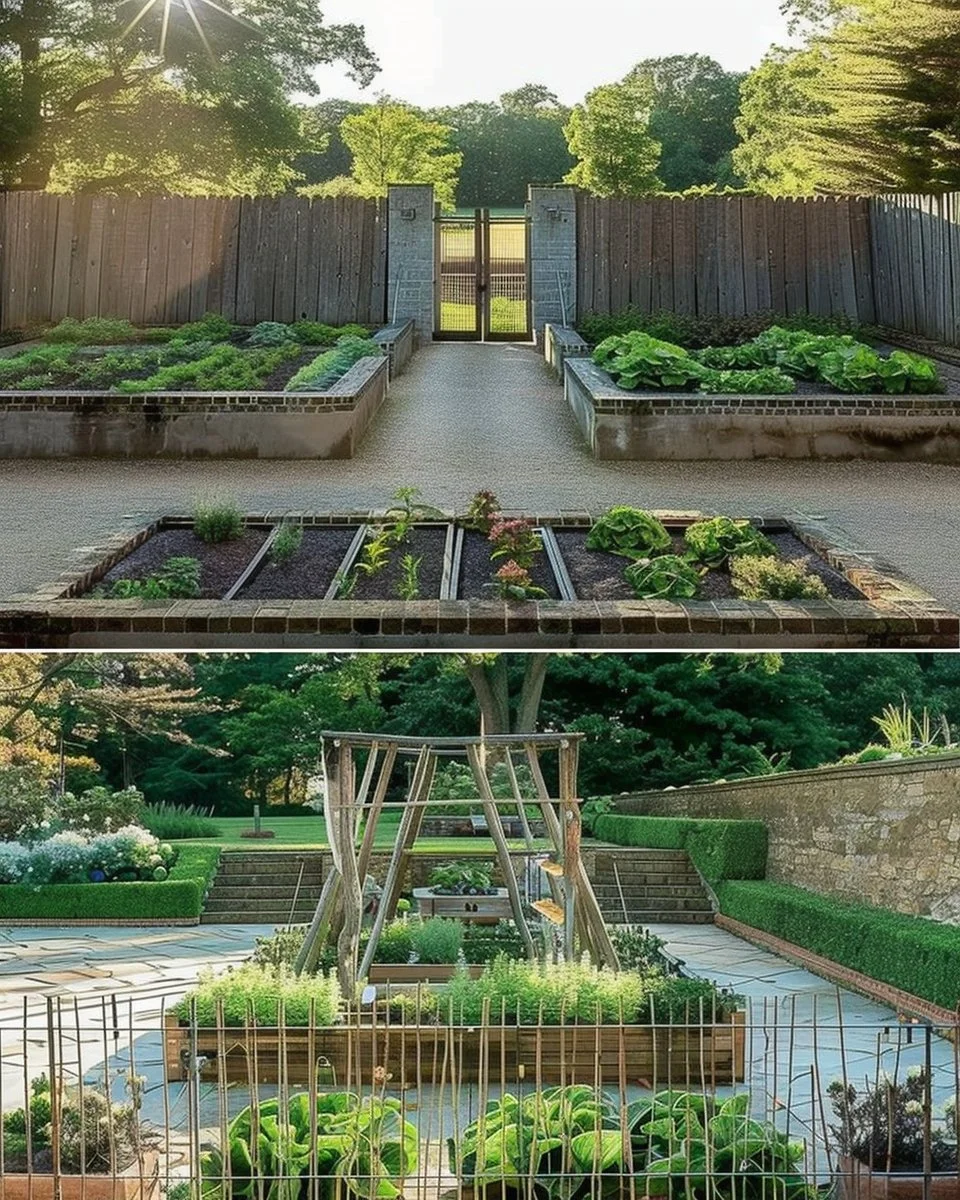
Raised beds are one of the most popular gardening trends. They elevate your plants, making them easier to access and maintain, while also improving drainage. You can build them from wood, stone, or bricks, offering a rustic charm to your garden. Imagine a neat row of raised beds filled with colorful vegetables! When I first built my raised beds, I felt more organized and in control of my gardening. It allowed me to dedicate specific areas to crops, which streamlined my planting and harvesting process.
Vertical Gardening Techniques
If space is limited, think vertically! You can grow cucumbers or pole beans on trellises, or use wall-mounted planters for an array of herbs and leafy greens. This approach not only maximizes space but adds a unique visual appeal to your garden. Have you ever seen peas climbing up a trellis? The cascading vines create a beautiful green backdrop that also provides structure to your garden design.
Container Gardening
Perfect for balconies or patios, container gardening allows you to grow vegetables in pots, which can be moved according to sunlight. This method is often perfect for herbs, peppers, or cherry tomatoes. Consider using repurposed items like old buckets or wooden crates to add character to your garden. Each container can become an individual statement piece, showcasing your personality.
Designing for Aesthetics
While practicality is crucial, aesthetics play a significant role in vegetable gardening as well. An attractive garden can uplift your spirits and make the task of gardening even more enjoyable.
Colorful Plant Combinations
Mix and match vegetable plants to create a vibrant display. Pair bright yellow squash with deep green kale, or purples from eggplants alongside the reds of tomatoes. This adds visual interest and highlights the diversity of produce. I often find that the cheerful colors of veggies can brighten even the cloudiest of days!
Decorative Garden Paths
Paths can help navigate through your vegetable garden and can be made from gravel, wood chips, or even old stepping stones. Not only do they serve a functional purpose, but they can also design a flow that leads your visitors’ eyes across the garden. Consider arranging the paths to create a winding route that entices guests to explore the space.
Focal Points and Features
Incorporate features like a small fountain, a birdbath, or even a cozy seating area at the heart of your garden. Focal points draw the eye and create an inviting atmosphere. I’ve placed a rustic bench among my herb garden; it’s the perfect spot to sit back and enjoy the view while sipping a cup of tea.
Practical Considerations
Beyond aesthetics and layout, it’s essential to consider practical aspects that affect your garden’s health and productivity.
Sunlight and Shade
Understanding how sunlight hits your garden is key. Most vegetables prefer full sun, so it’s vital to observe patterns throughout the day. Maybe you have a spot that only gets a few hours of morning light—while it may limit some crops, leafy greens can thrive there!
Irrigation Solutions
Watering can be a big chore, but planning for efficient irrigation does wonders for plant health. Drip irrigation systems can save time and ensure that your plants receive consistent moisture. If you’re all about sustainability, consider capturing rainwater in barrels to hydrate your garden naturally.
Soil Health and Maintenance
Investing in good soil is non-negotiable for a successful garden. Compost and mulch not only enrich the soil but also help retain moisture. I love making my compost out of kitchen scraps; it’s rewarding to see waste be transformed into nourishment for my plants!
Seasonal Planting Ideas
Planning your garden through the seasons plays a pivotal role in maximizing your harvest.
Cool-Weather Crops
In cooler months, plant hardier crops like spinach, broccoli, and carrots. These vegetables thrive when the temperatures drop, becoming even sweeter after a frost. Starting a winter garden has become a personal favorite of mine, showcasing a different beauty than in summer.
Summer Bounty
As the sun warms, plant tomatoes, peppers, and zinnias for a classic summer garden mix. These vegetables can flourish in full sunlight and when spaced appropriately, yield abundantly. I’m always amazed by the transformation of my garden into a lush landscape during warm months.
Community and Collaborative Gardening
Gardening can be even more rewarding when shared with others.
Sharing Spaces
Consider community gardens where neighbors can pitch in. Not only will you learn from each other, but you’ll also enjoy the fruits of collective effort. It fosters a sense of belonging and allows for a variety of included plants.
Creating a Garden Club
Gathering friends or neighbors to form a garden club can fuel creativity and inspiration. From exchanging seeds to sharing gardening tips, the benefits are twofold. Plus, you’ll enjoy socializing over gardening projects—what’s not to love?
Tips for Growing Success
When it comes to gardening, a few tried-and-true tips can enhance your journey:
- Start small and gradually expand your garden as you gain confidence.
- Research companion planting. Some plants can benefit each other when grown together, improving yield and deterring pests.
- Regularly check for pests and diseases; early detection can save your crops!
Conclusion
Creating your vegetable garden isn’t just about practicality. It’s a journey of creativity, design, and personal connection to nature. From exploring the 25 Inspiring Vegetable Garden Design Ideas shared in this article, you can cultivate a space that reflects your personality while nurturing your health. Remember that your garden’s beauty can be as impactful as its bounty. So, roll up your sleeves, grab those seeds, and let inspiration lead you into a flourishing gardening adventure!
FAQs
What vegetables are the easiest to grow for beginners?
Lettuce, radishes, and herbs are great choices—quick to sprout and forgiving for new gardeners.
How much sunlight do vegetable gardens need?
Most vegetables thrive in 6-8 hours of sunlight daily. Observing your garden’s exposure can help you choose the right crops.
Can I garden in containers?
Absolutely! Container gardening is versatile and perfect for small spaces. Just ensure the containers have drainage holes.
What’s the best soil for vegetable gardens?
A mix of topsoil, compost, and organic matter creates optimal growing conditions. Testing your soil can also help you amend it.
When is the best time to plant vegetables?
Spring is typically ideal for warm-weather crops, while you can start cool-weather vegetables in late summer for a fall harvest.